
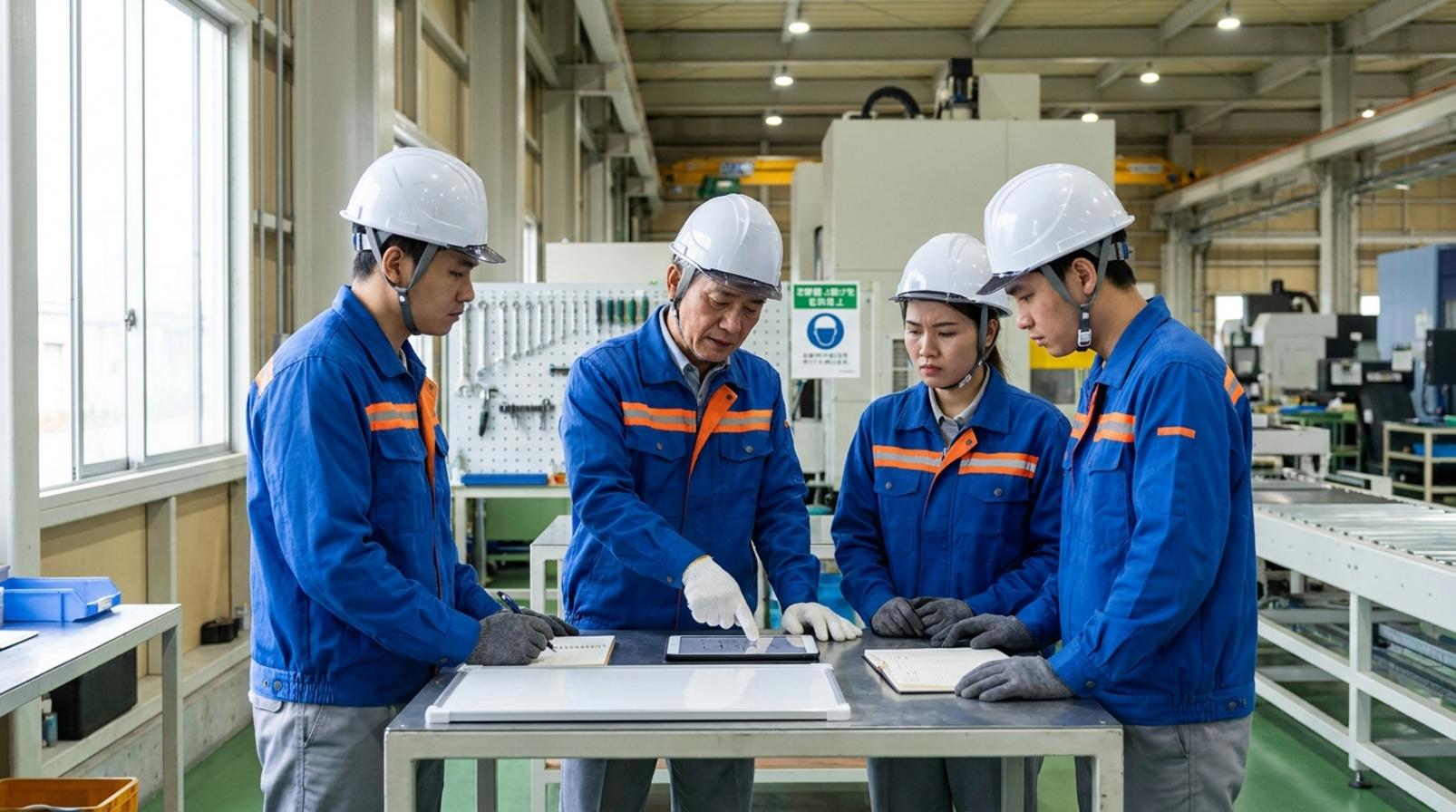





Minor disagreements can easily turn into conflict, while employee morale gradually weakens over time.
Many businesses try to solve these problems through short
Building Workplace Culture Through Inner Awareness and Workplace Wellness
Workplace culture cannot be strengthened through rules or slogans alone.
It begins with how each person understands themselves, their colleagues, and their responsibilities.
When businesses align awareness across the team, comparison and jealousy decrease while genuine cooperation becomes stronger.
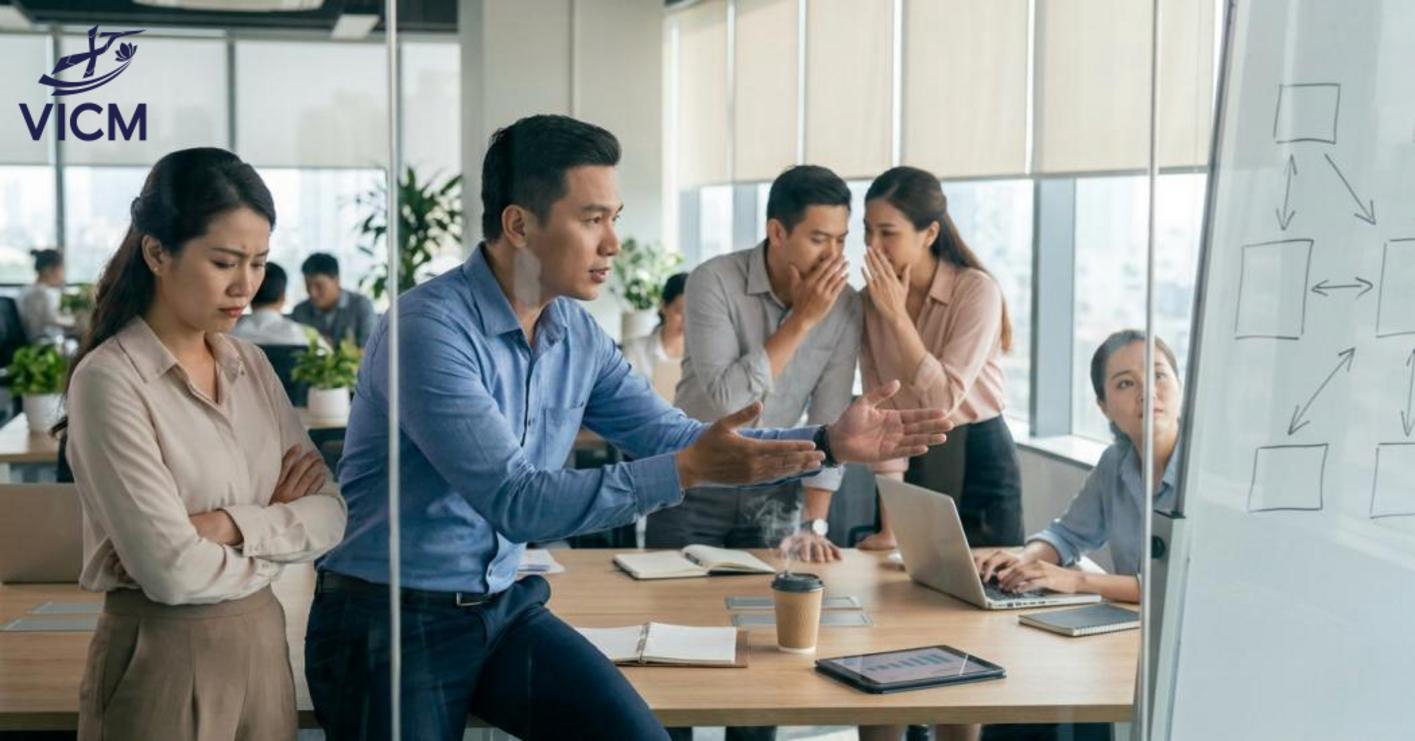
Inner Awareness in the Workplace
Inner awareness helps employees understand their emotions, reactions, and limits when facing pressure.
When managers and employees learn to listen to their internal responses, conflict decreases because people are less likely to react impulsively.
Some businesses use positive discipline and clear standards of conduct to encourage honest feedback without causing unnecessary harm.
This supports workplace culture at a deeper level instead of addressing visible problems only through warnings or repeated reminders.
Corporate Retreats and Team Connection Through Shared Reflection
Corporate retreats can create meaningful change when they are designed around clear objectives.
Instead of focusing only on relaxation, teams can participate in reflection activities, share expectations, and review how they currently coordinate at work.
These experiences strengthen connection by helping team members understand one another beyond job titles.
However, retreats only create lasting value when the insights gained are reinforced through practical actions in daily operations.
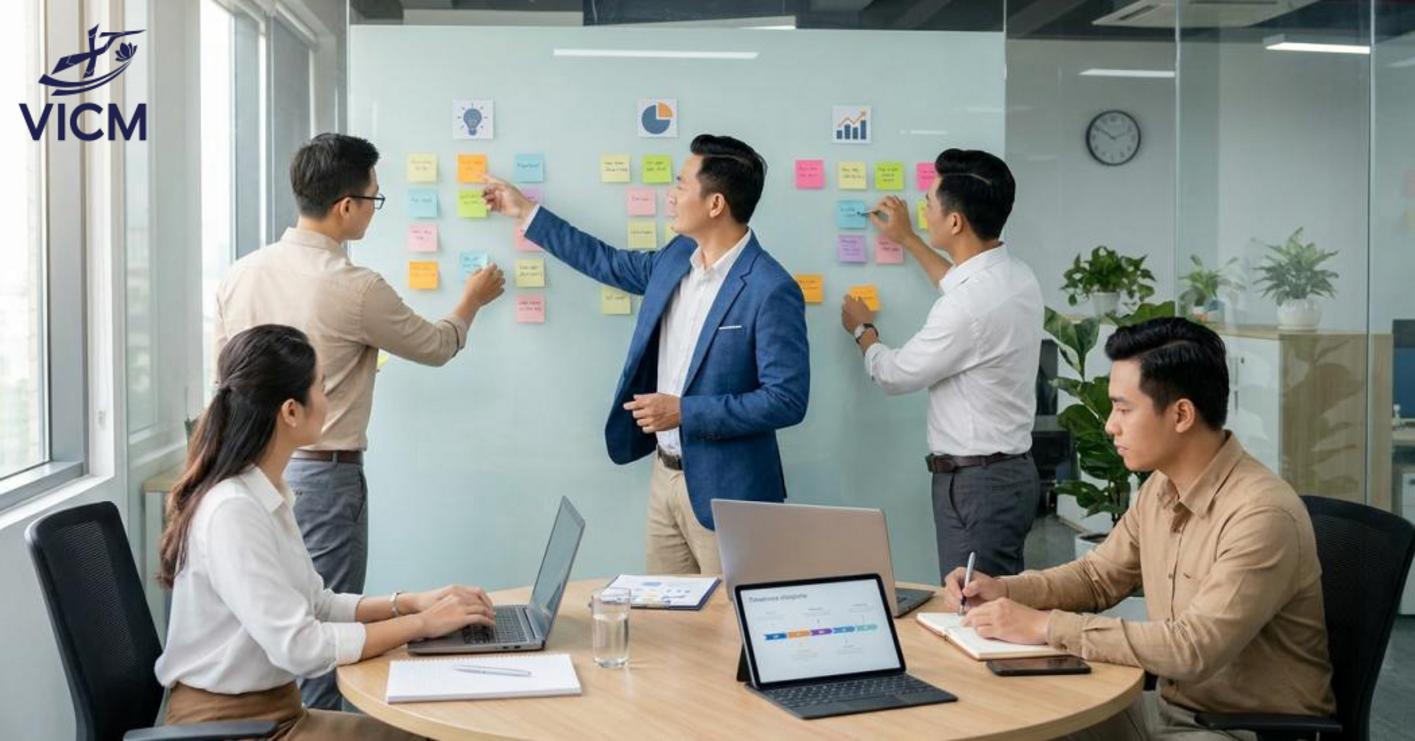
Workplace Wellness, Performance, and Holistic Employee Development
Workplace wellness improves performance when businesses treat mental health, physical health, and working rhythm as part of the broader people strategy.
Appropriate lighting, reasonable break times, stress reduction activities, and access to emotional support can help employees maintain more stable energy levels.
This approach supports holistic employee development across physical wellbeing, mental wellbeing, and intellectual growth instead of focusing only on short term KPIs.
However, businesses need a suitable long term pathway.
Programs that follow trends without sufficient depth may struggle to create a sustainable workplace culture after training.
Maintaining a Sustainable Workplace Culture After Training
A plan for maintaining workplace culture should not end with the initial inspiration created by a training program.
Businesses need to turn what employees have learned into everyday working habits, supported by clear measurement, assigned responsibility, and consistent feedback.
Only then can workplace culture become part of daily behaviour rather than remain on presentation slides or company slogans.
Monitoring Behaviour and Engagement After Training
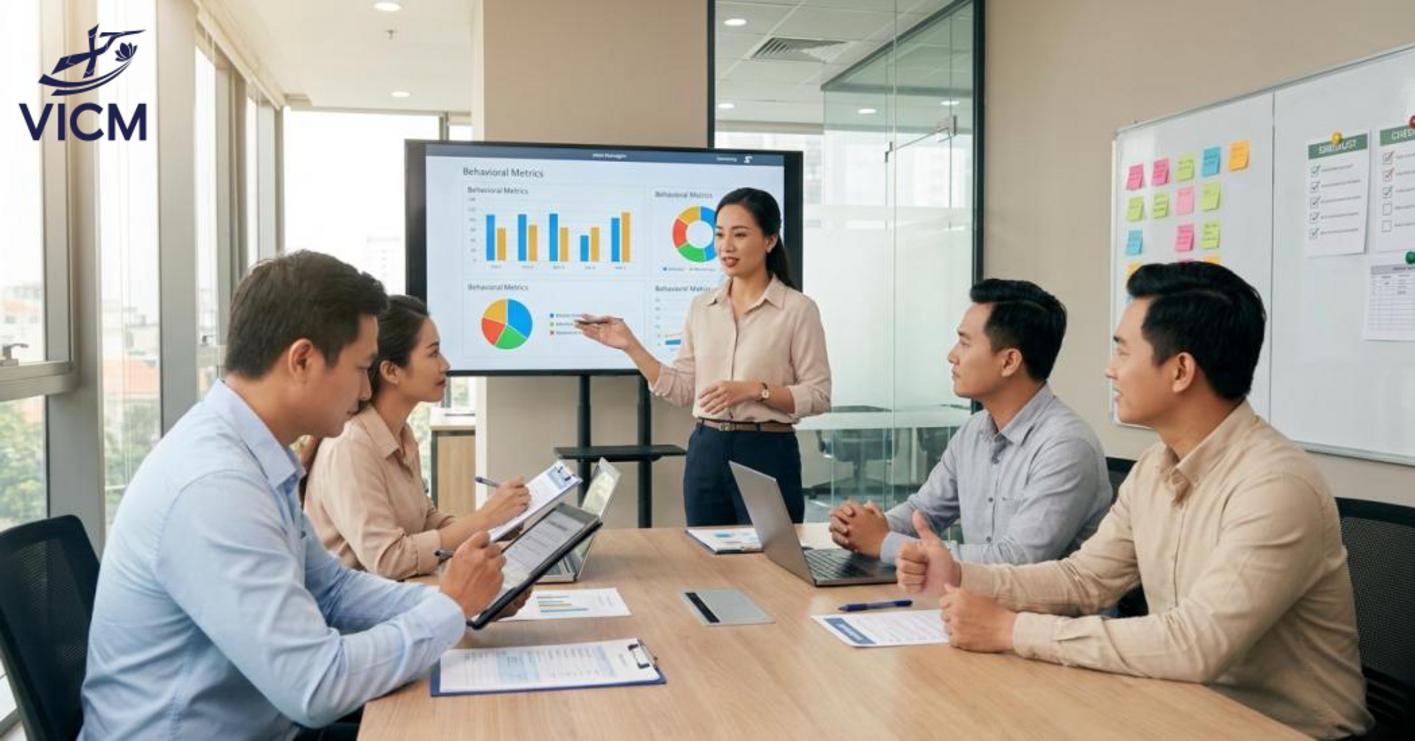
After training, businesses should monitor specific changes such as how employees respond during meetings, whether they arrive on time, how actively they cooperate, and how often they support colleagues without being asked.
A simple measurement system may include monthly pulse surveys, manager observations, and internal data such as participation rates in shared activities.
This helps the business determine whether workplace culture is genuinely developing from the ground up or whether the program has created only a temporary effect.
These indicators should also be reviewed together rather than in isolation.
A department may achieve strong KPIs while still operating in an emotionally unsafe environment where employees avoid giving feedback or experience hidden jealousy.
Accurate measurement allows the business to identify these barriers and make timely improvements.
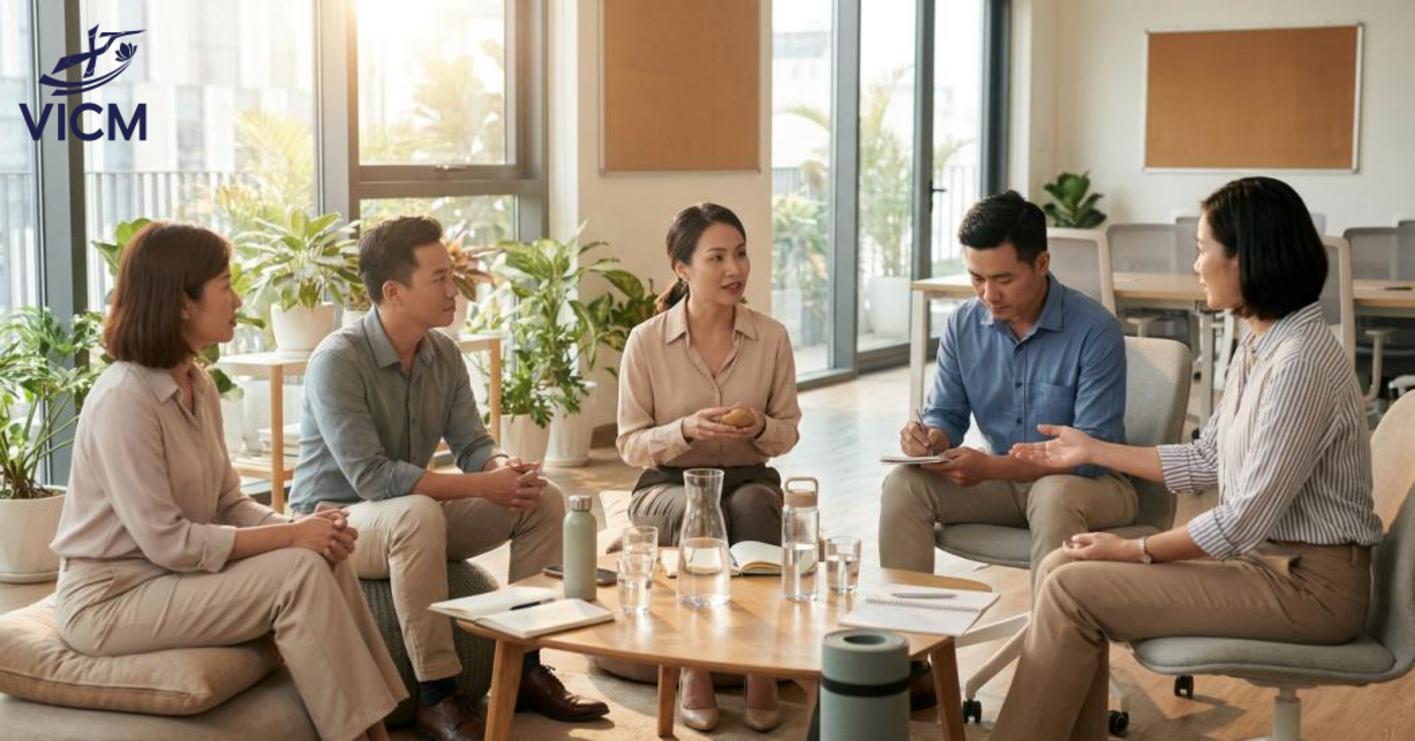
The Role of Managers in Reinforcing Standards Every Day
Managers turn principles into habits.
When leaders communicate one standard but behave differently, efforts to build workplace culture quickly lose credibility.
By contrast, when managers provide fair feedback, listen at the right time, and respond consistently to inappropriate behaviour, employees understand that workplace standards are part of the actual operating model rather than occasional reminders.
Managers should lead by example through small daily actions.
These include respecting meeting times, recognising contributions, avoiding blame, and encouraging positive discipline and respectful conduct.
Such behaviour supports alignment across the organisation, creates a healthier working environment, and reduces hidden conflict and unhealthy competition.
Steps for Sustaining Workplace Culture After Training
To maintain workplace culture over time, businesses can organise the process into three stages: standardisation, activation, and reinforcement.
The first stage involves defining the expected behaviours clearly.
The second integrates those behaviours into onboarding, team meetings, and performance reviews.
The final stage maintains positive energy through activities such as corporate retreats and workplace wellness programs.
Businesses should also design experiences that strengthen connection through reflection and support holistic employee development across physical wellbeing, mental wellbeing, and intellectual growth.
When culture is supported through a consistent operating rhythm, the organisation can maintain meaningful progress after training instead of depending on short term campaigns.
A Practical Approach to Sustainable Workplace Culture
The most effective approach begins with identifying the real issues, establishing clear principles, creating shared experiences, and maintaining a consistent behavioural system.
Businesses should avoid relying only on temporary activities that generate enthusiasm but do not influence everyday work.
A sustainable workplace culture is created when values are translated into specific behaviours, managers reinforce those behaviours consistently, and employees understand how their daily actions contribute to the wider organisation.
VICM Human Resources Training and Supply Company Limited
Head Office and Training Centre: A136Bis, Binh Duc Quarter, Lai Thieu Ward, Ho Chi Minh City
Email: admin.vicmhr@gmail.com
Hotline: 0932 38 31 38
Website: www.vicm.edu.vn