




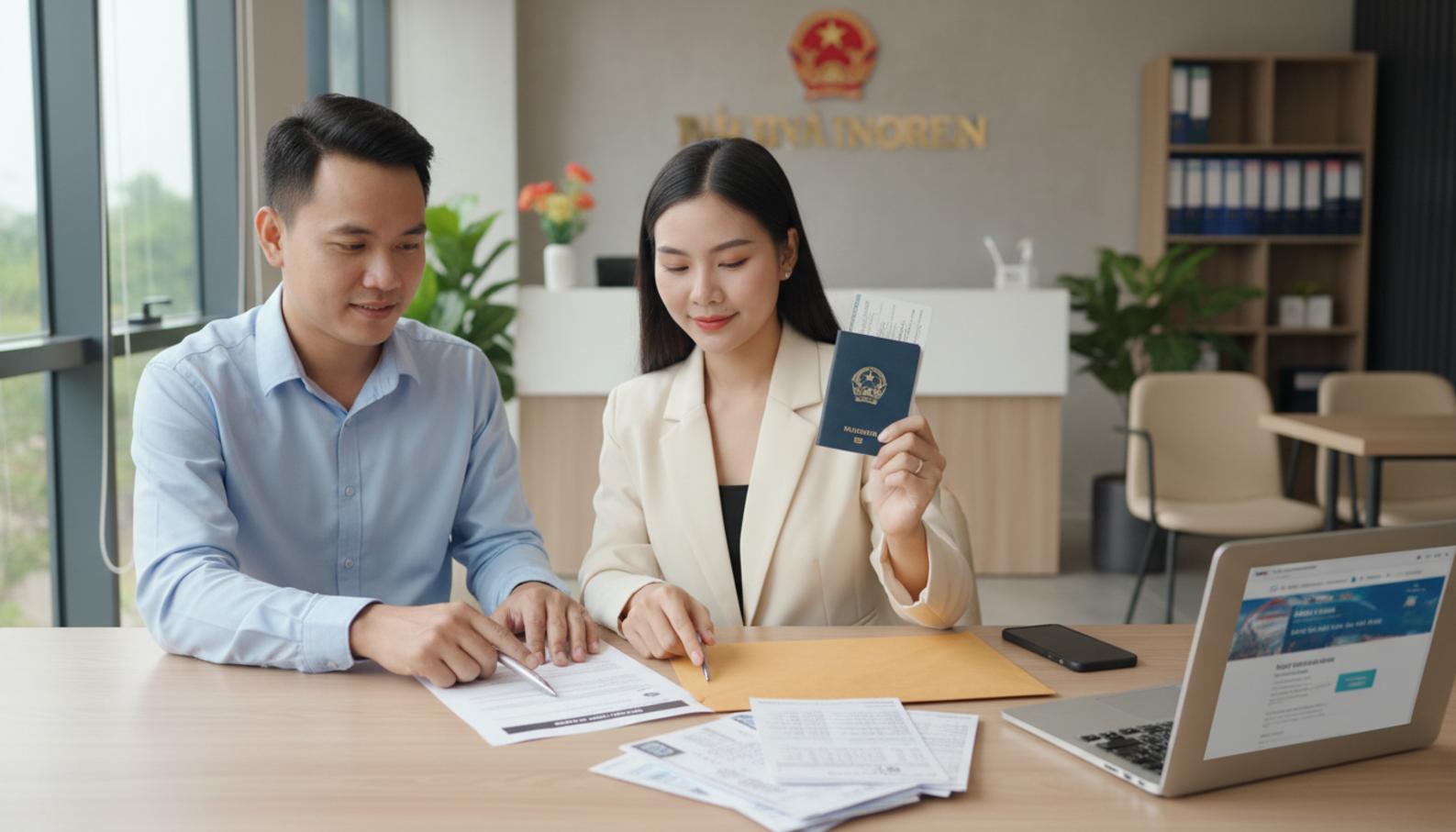

The process differs significantly depending on whether the applicant needs a C 3 9 short term tourist visa, a family visit visa from Vietnam, or a student visa for studying in South Korea.
For Vietnamese applicants, understanding the true purpose of the trip helps reduce mistakes, save time, and avoid repeated requests for additional documents.
So what should applicants determine before submitting their application?
What Is a South Korean Visa for Vietnamese Applicants and Which Categories Should Be Distinguished?
A South Korean visa for Vietnamese applicants is a general term referring to the different visa categories available to Vietnamese citizens who wish to enter South Korea for various purposes.
Each category has its own eligibility requirements depending on the travel plan, supporting documents, and intended period of stay.
Correctly identifying the visa category from the beginning makes the first application process clearer and reduces the risk of submitting under the wrong purpose.
.
Who Is the C 3 9 Short Term Tourist Visa Suitable For?
The C 3 9 short term tourist visa is generally suitable for Vietnamese citizens travelling to South Korea for sightseeing, leisure, or an independent short stay.
This category is often considered by people applying independently, particularly those with a clear itinerary, stable employment, and sufficient financial evidence.
It cannot be used for employment or long term residence, so all travel information should remain consistent with the stated tourism purpose.
When submitting an application at the Korea Visa Application Center in Ho Chi Minh City or another authorised location, supporting documents should clearly demonstrate the travel purpose and the applicant’s intention to return to Vietnam on time.
In some cases, interview performance may also influence how the application is assessed, especially when the supporting evidence is not particularly strong.
How Is a Family Visit Visa Different from a Tourist Visa?
A family visit visa is issued for applicants travelling to meet relatives, family members, or a spouse living in South Korea.
For this reason, documents proving the relationship are usually more important than a detailed sightseeing itinerary.
A tourist visa, by contrast, places greater emphasis on the travel plan, accommodation, and the applicant’s personal financial capacity.
Individuals and organisations preparing a family visit application should ensure that the information provided by both parties is consistent.
Applicants may also need to demonstrate strong ties to Vietnam to improve the credibility of the application.
These differences make it essential to identify the correct category before preparing the documents.
What Should Vietnamese Students Know About South Korean Student Visas?
Student visas are intended for long term study, so the application requirements are usually more detailed than those for short term travel.
The school, chosen course, Korean or English proficiency, academic records, and financial plan may all be reviewed.
When the academic purpose is unclear, applicants are more likely to be asked for additional documents.
Students should also understand the permitted period of stay, extension requirements, and any rules concerning part time employment.
In some cases, preparing a clear explanation in advance can help prevent inconsistencies between the study purpose and the applicant’s personal plans.
Managing emotions while waiting for the visa result is also important, particularly when academic schedules are approaching.
How to Prepare a First South Korean Visa Application
A first visa application should not be prepared by simply collecting documents and submitting them without structure.
The file should be organised logically into personal information, financial evidence, and documents supporting the purpose of the trip.
A clear and orderly presentation makes the application easier to review and reduces the risk of missing important information.
Personal Documents and Evidence of Travel Purpose
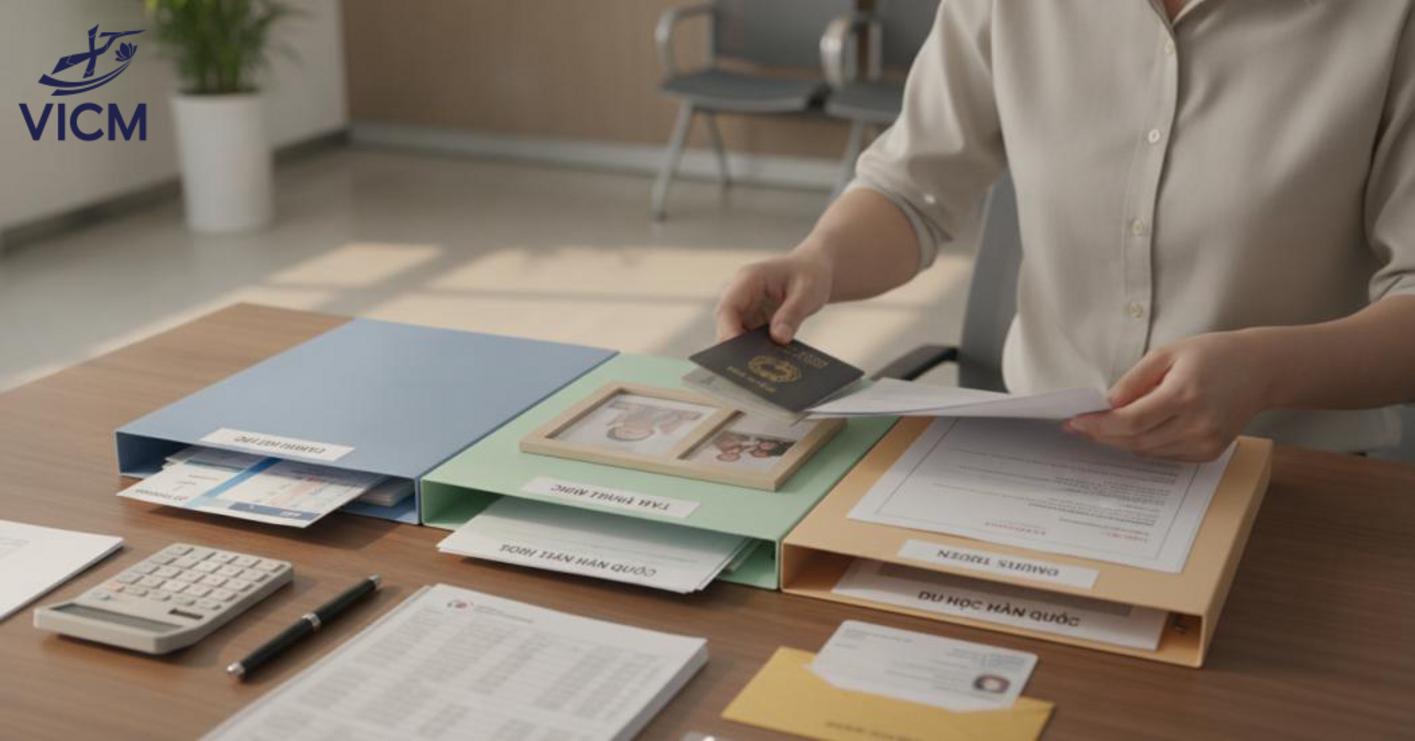
The first section should contain the applicant’s basic personal documents, including a valid passport, photographs that meet the required standards, a citizen identification card, and household registration or proof of residence when requested.
Applicants seeking a C 3 9 short term tourist visa should also prepare a travel itinerary, provisional flight booking, accommodation reservation, and the correct application form.
All documents should contain consistent information, especially the applicant’s name, date of birth, and passport number.
The purpose of the trip should be clear, reasonable, and consistent with the selected visa category.
For independent tourist applications, the itinerary should be concise, include specific destinations, and reflect a realistic travel schedule.
The clearer the file is, the easier it becomes for the reviewing officer to understand the application.
How Should Financial Evidence Be Prepared?
Financial evidence is one of the areas most likely to be incomplete or unconvincing.
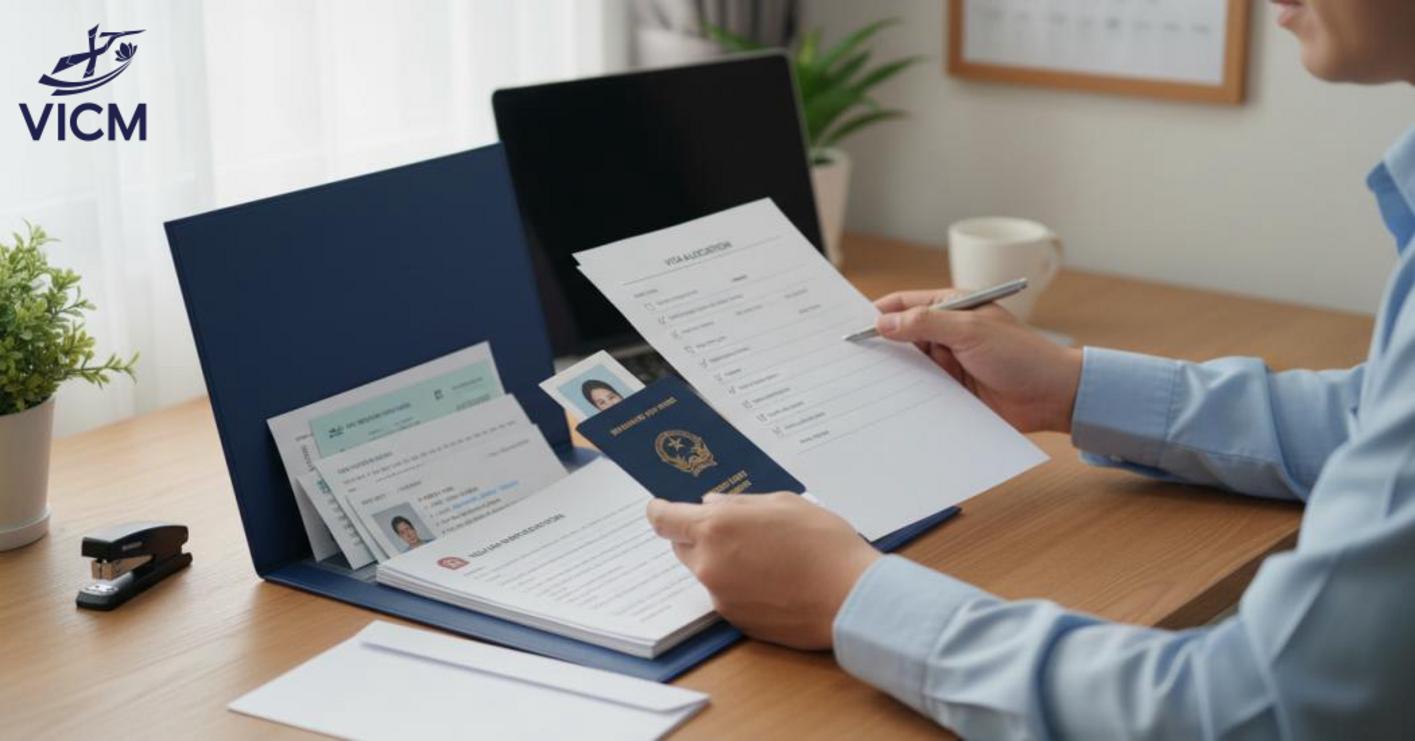
Applicants may need to provide bank statements, a savings account, confirmation of account balance, or proof of property ownership when applicable.
The important issue is not only the amount of money available.
The funds should also appear stable and come from a clear and reasonable source.
Applicants should prepare documents that reflect their actual income and avoid inconsistencies between employment records and banking information.
When submitting at the Korea Visa Application Center in Ho Chi Minh City or another authorised location, financial documents should be arranged in a way that allows them to be reviewed easily.
This can reduce the risk of complications when the application receives closer examination.
Additional Documents for Tourism, Family Visits, and Study
Additional requirements depend on the purpose of the trip.
Tourist applications generally require an itinerary, flight booking, and accommodation details.
Family visit applications may require an invitation letter, evidence of the relationship, and information about the sponsor.
Student visa applications commonly include an admission letter, academic transcripts, qualifications, and documents proving educational readiness.
Each category has its own requirements, so first time applicants should prepare the file according to the genuine purpose of travel.
Interview preparation and emotional management while awaiting the result may be helpful, but a clear and consistent document package remains the most important foundation.
What Should Applicants Know When Submitting at the Korea Visa Application Center in Ho Chi Minh City?
Businesses, students, tourists, and family visit applicants should understand each stage of the submission process to avoid unnecessary mistakes.
The procedure may appear straightforward, but problems can arise when booking an appointment, arranging documents, or monitoring the application while it is under review.
The Submission Process at the Korea Visa Application Center
The application must first be prepared according to its specific purpose, whether it is independent tourism, a family visit, or study in South Korea.
Each category has different requirements, especially regarding financial evidence and accommodation documents.
Before submitting at the Korea Visa Application Center in Ho Chi Minh City, applicants should check appointment availability, the required number of copies, and the correct document order to reduce the risk of rejection at the reception stage.
After submission, applicants normally receive an appointment slip or tracking code to monitor the progress of the application.
Processing time can vary depending on the category, including the C 3 9 short term tourist visa and five year or ten year multiple entry visas.
First time applicants should therefore allow sufficient time and avoid arranging flights or important plans too close to the expected decision date.

Interview Preparation and Common Mistakes
Not every application requires an interview.
However, when an interview is requested, the applicant’s answers can strongly influence how the application is assessed.
Responses should be concise, consistent with the documents, and directly connected to the stated purpose of travel.
Applicants may raise concerns if they claim to be travelling for tourism but cannot explain their itinerary, or if they declare employment but cannot explain their source of income.
Common mistakes include failing to bring original documents, entering incorrect information on the form, or providing unclear financial evidence.
Family visit and student visa applicants may also need extra documents to explain the relationship or study plan.
A clear and consistent presentation helps reduce confusion and makes the interview easier to manage.
Managing Emotions While Waiting for the Result
The waiting period can be stressful, especially when travel dates or academic plans are approaching.
Processing times may change depending on the period, so checking the status repeatedly will usually increase anxiety without affecting the result.
Applicants should follow the official tracking channel, keep the receipt, and wait until the stated processing period has passed.
It is also helpful to prepare a backup plan and avoid major changes to personal information while the application is under review.
For student and family visit applicants, consistency in the documents remains as important as emotional stability.
Managing expectations during this period helps the remaining steps proceed more smoothly.
Five Year and Ten Year Multiple Entry Visas and Their Practical Uses
Five year and ten year multiple entry visas are generally suitable for applicants with a clear travel history, a consistent purpose of entry, and a genuine need to visit South Korea repeatedly over a longer period.
They may be particularly convenient for people who travel regularly for business, family visits, or recurring personal trips because they reduce the need to prepare a new application each time.
However, approval still depends on the applicant’s specific purpose and the strength of the supporting documents.
Who May Be Suitable for a Five Year or Ten Year Multiple Entry Visa?
In practice, multiple entry visas are often considered for applicants with a strong passport history, reliable travel records, stable income, and clear financial evidence.
Business travellers, frequent visitors, people travelling to see relatives in South Korea, and applicants with repeated personal travel needs may find this category more convenient than a single entry visa.
However, applicants cannot simply choose a multiple entry visa based on preference alone.
Each case still needs to match the correct visa category, including the C 3 9 short term tourist visa, the stated purpose of entry, and the supporting documents.
When a first time application is not particularly strong, applying for a single entry visa may sometimes be a safer and more realistic option.
Should Vietnamese Applicants Apply Independently or Use a Support Service?
Applying independently may be suitable when the documents are clear, financial evidence is complete, and the applicant has enough time to review every requirement carefully.
This approach gives applicants greater control over document preparation, progress tracking, and understanding the conditions of each visa category.
It is often suitable for straightforward tourism or short business applications.
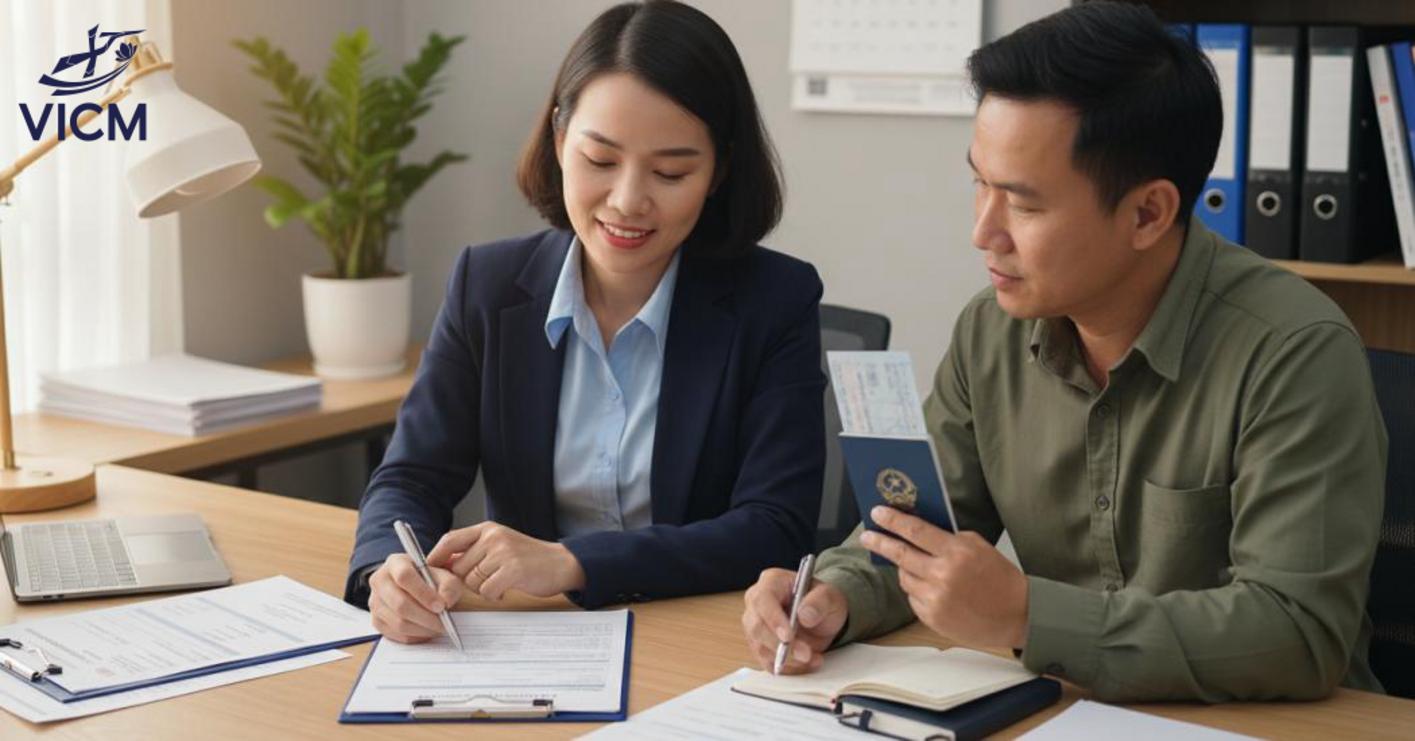
Professional support may be useful when an applicant needs help reviewing a first application, arranging documents logically, preparing for a possible interview, submitting at the Korea Visa Application Center in Ho Chi Minh City, or managing the overall process.
However, a support service can only help reduce errors.
It cannot replace the applicant’s actual eligibility or guarantee approval.
Support and Guidance for Different Visa Purposes
When applicants need guidance, the first step should be to identify the correct purpose of travel, such as tourism, family visits, business, or study.
This helps ensure that the financial documents, itinerary, and stated purpose support one another instead of creating inconsistencies.
For applicants deciding between a short term visa and a five year or ten year multiple entry visa, professional guidance can serve as a useful risk review.
The application can be assessed against relevant criteria to reduce the risk of selecting the wrong category, omitting documents, or submitting at the wrong location.
When the correct framework is established from the beginning, the process is usually clearer and easier to manage.
Choosing the Right Visa Based on the Genuine Purpose of Travel
Choosing the correct visa should always begin with the true purpose of the trip.
Only after that should the applicant prepare the supporting documents and confirm the appropriate submission location.
Applications submitted under the wrong category, with incomplete financial evidence, or prepared too quickly are more likely to require additional documents or face further review.
After submission, applicants should monitor the application carefully so that important updates are not missed.
The clearer the travel need is, the easier it becomes to choose realistically between a single entry visa and a multiple entry visa.
VICM Human Resources Training and Supply Company Limited
Head Office and Training Centre: A136Bis, Binh Duc Quarter, Lai Thieu Ward, Ho Chi Minh City
Email: admin.vicmhr@gmail.com
Hotline: 0932 38 31 38
Website: www.vicm.edu.vn