





The challenge is not simply finding people at the right time. Businesses also need a clear process that supports stable and efficient operations. So how can a company hire quickly while maintaining compliance and performance standards?
When Should a Business Hire Temporary Employees Instead of Permanent Staff?
When a business needs additional employees urgently, the decision between temporary staffing and permanent recruitment should not be based on speed alone. The stability of demand, the expected workload, and short term operational risks must also be considered.
Choosing the right staffing model helps businesses save time, control costs, and maintain uninterrupted operations.
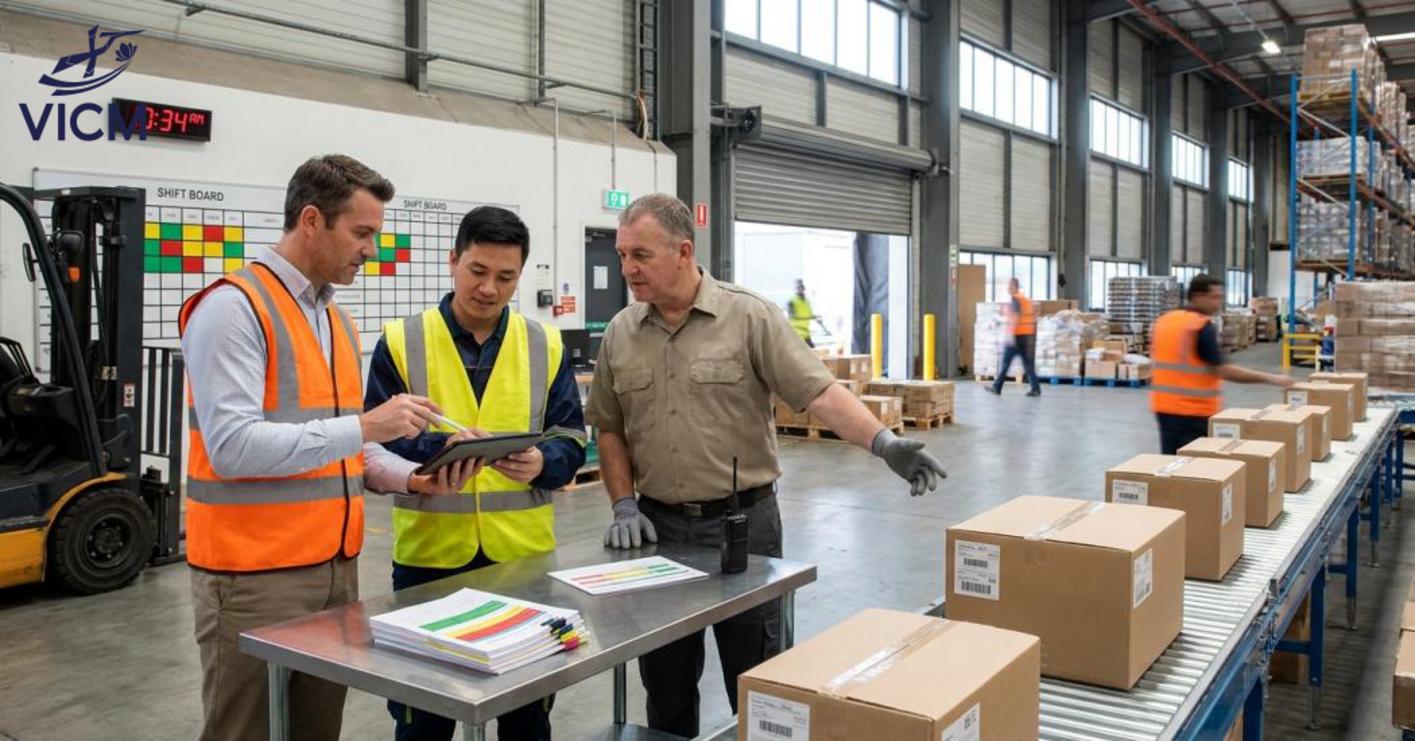
When Should Organizations Hire Temporary Staff Instead of Recruiting Permanent Employees?
Signs That a Business Needs Additional Employees Immediately
When orders increase unexpectedly, shifts become vacant, or an employee suddenly leaves and disrupts the workflow, businesses should consider using a fast staffing solution.
This approach is particularly suitable when additional manpower is required for several weeks or months, but the demand does not justify a lengthy recruitment process. In manufacturing, retail, logistics, and operational services, even one day of delay can result in significant costs.
Hiring at the right time can also reduce internal training expenses during urgent recruitment periods because temporary workers may already have the basic experience required for the role. Businesses only need to provide brief instructions, assign shifts, and monitor work quality.
If the company already has a structured employee onboarding system, an internal retreat program, or a training program that supports both physical and mental wellbeing, operational performance can become more stable.
The Difference Between Temporary Staffing and Permanent Recruitment
Permanent recruitment is suitable when a business wants to build a long term employee development system, strengthen its management team, and retain employees over time.
Temporary staffing, on the other hand, is a flexible solution for seasonal demand, project based work, or situations where the company does not yet have enough information to determine its permanent workforce structure.
The main difference lies in the objective. Temporary staffing focuses on speed and flexibility, while permanent recruitment focuses on long term stability.
When a business is testing a new operating model, remains uncertain about the future workload, or wants to combine external training with internal development, temporary staffing may be the safer option.
This approach can also support sustainable productivity without creating the pressure of hiring unsuitable employees or maintaining more staff than necessary.
When Is Labour Outsourcing More Suitable Than Direct Recruitment?
Labour outsourcing is suitable when a business needs legally compliant employees who can begin working quickly, while the staffing provider takes responsibility for contracts, insurance, and other required procedures.
This option is worth considering when the human resources department is overloaded or when the company wants to focus its resources on core business operations.
The model is particularly effective for manufacturing shifts, warehouse operations, seasonal services, and positions involving repetitive tasks.
However, the business must still control candidate quality, work handover procedures, and employee discipline. In workplaces where team development is important, internal training for new employees can be added to maintain workflow and reduce mistakes during the initial period.
How Does Fast Staffing Help Optimise Operations and Costs?
Hiring additional employees at the right time helps businesses maintain operational continuity without expanding the permanent workforce too early.
When demand changes according to seasons, projects, or work shifts, temporary staffing provides valuable flexibility. Businesses can increase manpower quickly, manage costs more effectively, and reduce pressure on their existing teams.
Using Fast Staffing Solutions During Peak Periods
During peak periods, fast staffing allows businesses to reduce the risk of labour shortages without waiting for a lengthy recruitment process.
Companies can increase staffing levels according to the actual workload, helping them maintain sales progress, customer service quality, and stable daily operations.
This is also a suitable option when a business needs temporary expansion while still ensuring that its employment practices comply with legal requirements.
The greatest advantage is the ability to respond quickly. When orders increase, shifts become busier, or unexpected events arise, additional employees help prevent excessive workloads and reduce operational errors.
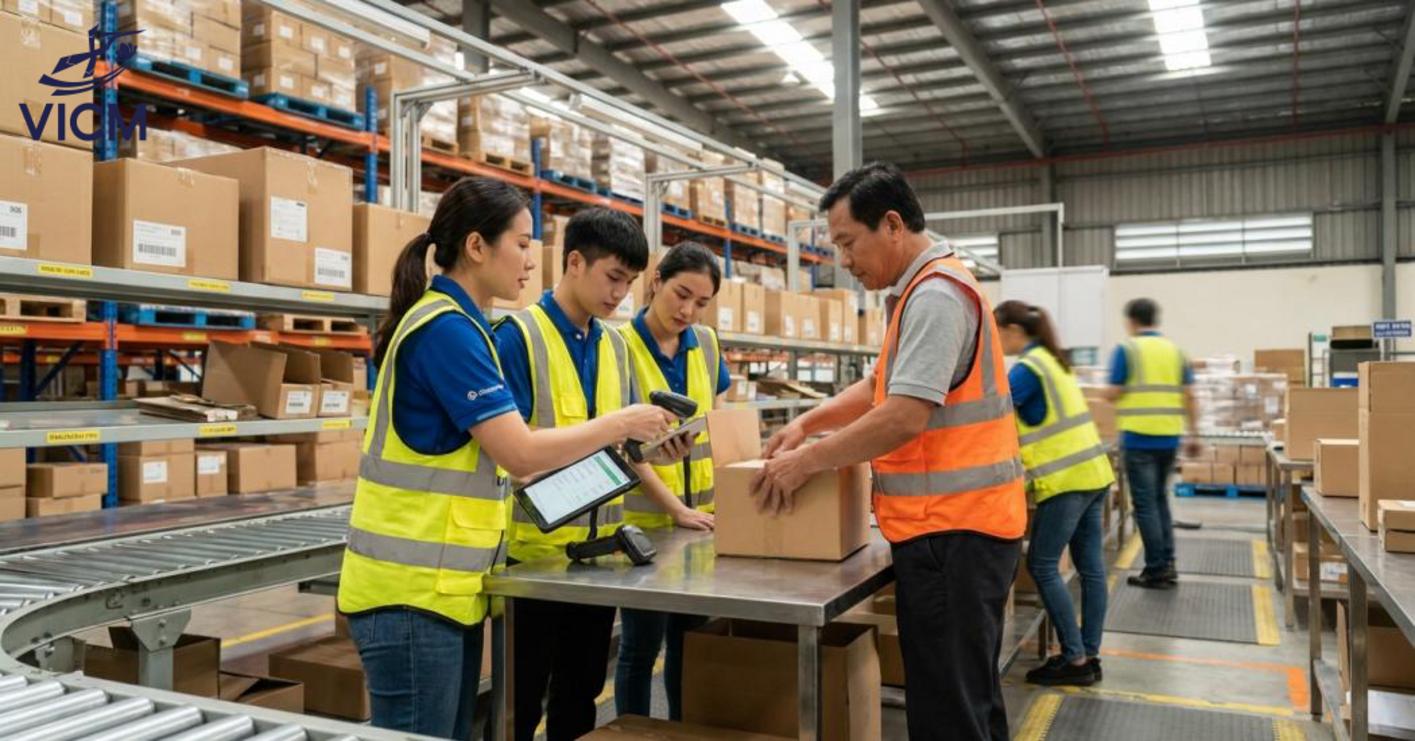
How Does Rapid Staffing Optimize Operations and Workforce Costs?
Reducing Internal Training Costs During Urgent Recruitment
Urgent recruitment often increases internal training expenses because several managers may need to train and supervise new employees at the same time.
To reduce these costs, businesses can combine external training with internal instruction. External training can standardise essential knowledge and basic procedures, while internal teams focus on practical responsibilities specific to the company.
This approach is particularly useful for operational roles with clearly defined processes.
When training materials and instructions are well designed, businesses can reduce training hours and limit mistakes caused by employees misunderstanding procedures. This creates a strong foundation for building a structured employee development system from the beginning.
Supporting Sustainable Productivity for Operational Teams
Temporary staffing does more than solve a short term labour shortage. It also helps existing employees work more sustainably.
When workloads are distributed appropriately, operational managers can maintain productivity, reduce employee exhaustion, and preserve consistent service quality.
The business also has more time and capacity to develop a coordinated management team instead of constantly responding to urgent staffing problems.
Over time, genuine efficiency comes from combining a standardised onboarding process with training programs that support both physical and mental wellbeing, where appropriate for the business model.
This approach can improve sustainable employee performance while keeping workforce expenses under control.
An Effective Process for Implementing a Staffing Model
An effective staffing process should begin with a clear understanding of workforce needs, job responsibilities, and expected outcomes.
When a business hires additional employees, speed is not the only priority. A smooth handover, consistent quality control, and ongoing internal compliance are equally important.
A well structured implementation process helps reduce misunderstandings, prevent unexpected costs, and maintain operational stability.
Building a Strong Training System for New Employees
To hire employees quickly without compromising standards, businesses need to establish a strong training system from the ground up.
Training materials should not be stored as disconnected files. They should be standardised into clear procedures, checklists, KPIs, and practical guidelines for handling common workplace situations.
When new employees receive the right information from the beginning, they can adapt more quickly and are less likely to make mistakes during the initial stage.
This system is particularly valuable for operational, customer service, and sales roles, where every step can affect the overall customer experience.
It also helps businesses reduce internal training costs during urgent recruitment while maintaining legal compliance and consistency across the management process.

Implementing an Effective Staffing Model
Internal Training Solutions for the First Seven Days
Internal training for new employees should be planned day by day rather than delivered in a single intensive session.
The first seven days play an important role in determining how well an employee adapts to the workplace.
Training should therefore include a balanced combination of process orientation, practical work experience, and feedback after each shift.
Businesses can assign a dedicated supervisor or mentor to support the new employee while using a checklist to monitor training progress.
This approach ensures that employee onboarding combined with internal retreat activities remains practical and relevant.
It can support employee wellbeing and sustainable productivity without distracting from actual job requirements.
For operational teams, clear and focused guidance is always more effective than overwhelming employees with too much information.
Combining External and Internal Training to Maintain Operational Standards
A combined external and internal training model is suitable for businesses that need to expand quickly while maintaining consistent operational standards.
External training should focus on foundational knowledge, soft skills, and standard procedures.
Internal training should cover company specific responsibilities, workplace culture, and practical performance criteria.
This combination helps businesses develop a more coordinated operational management team while reducing pressure on the human resources department during urgent recruitment periods.
When carefully designed, employee training programs that support both physical and mental wellbeing can also be integrated to strengthen workforce stability.
However, businesses should regularly evaluate training outcomes to prevent differences in standards between departments.
Legal Considerations for Labour Outsourcing and Choosing the Right Partner
Businesses that need employees quickly should review legal compliance before focusing on speed.
Without proper verification, risks may arise from employment contracts, job responsibilities, insurance obligations, or restrictions on the types of work that can legally be provided through labour outsourcing.
Conducting the necessary checks from the beginning helps maintain stable operations and prevents future disputes.
Legal Requirements to Review Before Signing a Labour Outsourcing Agreement
Before signing an agreement, businesses should confirm that the staffing provider is legally authorised to operate.
The contract should clearly define the job position, employment period, management responsibilities, and insurance obligations.
For specialised industries, businesses should also verify whether the specific role is legally permitted under labour outsourcing regulations.
A transparent contract reduces the risk of shared liability and allows businesses to manage the staffing process more effectively.

Legal Considerations for Labor Outsourcing and Choosing the Right Workforce Solutions Partner
Criteria for Selecting a Staffing Provider
A suitable staffing partner should do more than supply employees quickly.
The provider must also understand the operational needs of the business.
Companies should prioritise providers with a clear candidate screening process, the ability to respond quickly to workforce requirements, and position specific training solutions for new employees.
When candidates are properly screened and trained from the beginning, businesses can implement a combined external and internal training model more effectively.
This approach also helps reduce internal training expenses during urgent recruitment periods and supports sustainable productivity.
Common Staffing Risks and How to Manage Them
Common risks include employees entering the workplace without sufficient practical skills, failing to adapt to the company culture, or frequently changing shifts and placing additional pressure on managers.
Businesses may also experience unclear handover procedures, which can lead to overlapping responsibilities between the company and the staffing provider.
To manage these risks, businesses should design a structured onboarding process and incorporate internal retreat activities where appropriate.
Training programs that support both physical and mental wellbeing may also be added.
At the same time, businesses should build a strong training system from the ground up to improve workforce stability and maintain consistent operations.
A Safe and Sustainable Approach to Fast Staffing
The most effective approach is to hire employees according to genuine operational needs, provide focused training, and maintain strict legal control.
Businesses should prioritise long term effectiveness instead of choosing a solution simply because additional employees are urgently required.
When legal compliance, training capabilities, and operational suitability are considered together, fast staffing becomes safer and can support the development of a more coordinated management team.
VICM Human Resources Training and Supply Company Limited
Head Office and Training Centre: A136Bis, Binh Duc Quarter, Lai Thieu Ward, Ho Chi Minh City
Email: admin.vicmhr@gmail.com
Hotline: 0932 38 31 38
Website: www.vicm.edu.vn