
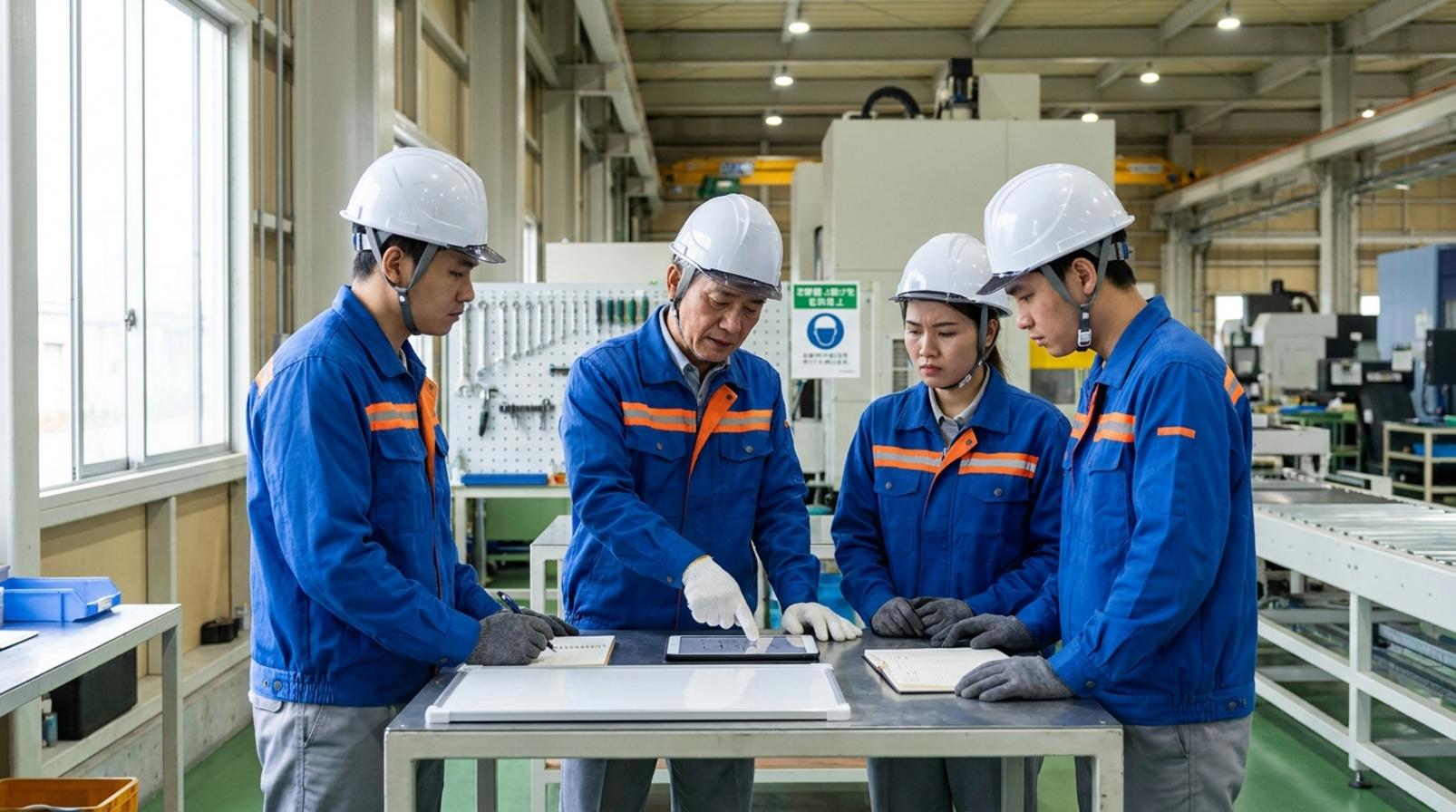



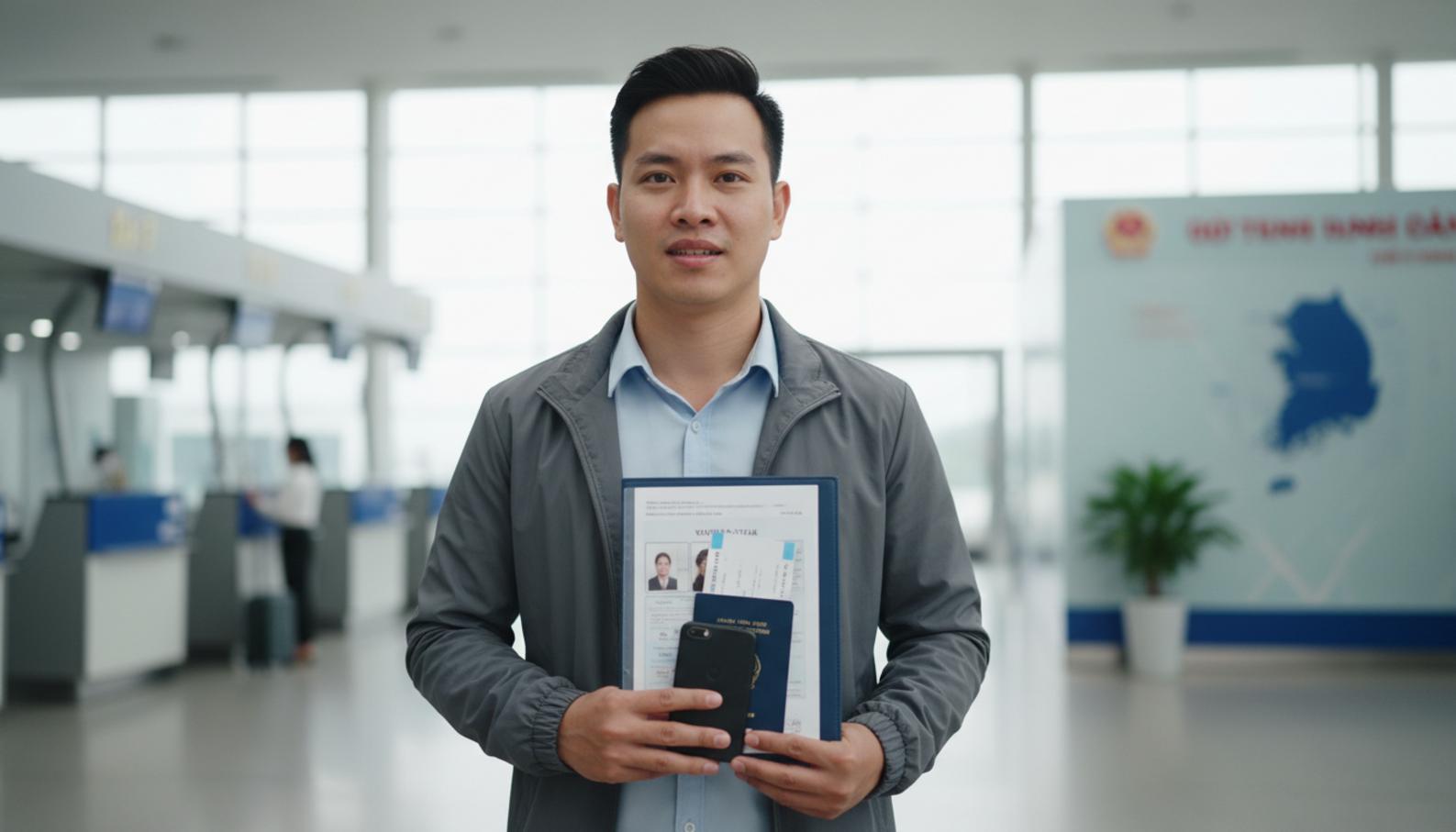

Many people begin researching South Korean work visas after receiving a job offer, but they may not clearly understand the eligibility requirements, necessary documents, costs, and processing times.
Choosing the wrong visa category can delay employment, study, or recruitment plans and may create unnecessary financial and legal risks.
Students, parents, employees, and businesses need a safe and clearly structured pathway that reflects their actual objectives.
So how can applicants choose the right direction from the beginning?
What Is a South Korean Work Visa and Which Categories May Be Suitable?
A South Korean work visa allows a foreign national to work legally in South Korea within the approved occupation, employment period, and conditions.
Both employers and employees should identify the purpose clearly from the beginning.
The applicant may be seeking general employment, skilled professional work, or a longer term career pathway.
Choosing an unsuitable category may extend the application process, increase costs, and create avoidable risks.

The E9 Work Visa for Vietnamese Workers
The E9 visa is one of the most common categories for Vietnamese general workers entering South Korea through the Employment Permit System.
Depending on current industry allocations, it may apply to manufacturing, agriculture, fisheries, or construction.
The latest requirements commonly focus on age, health, personal background, and Korean language ability.
Preparing for the EPS Korean language examination and developing practical communication skills are therefore essential steps towards improving the likelihood of selection.
However, the E9 visa is not suitable for every career objective.
The permitted employment period is limited, and changing employers is not as flexible as many applicants assume.
Before making a decision, workers should consider the total cost, potential savings, working conditions, and their plan after returning to Vietnam.
Understanding the E7, E10, and Related Visa Categories
The E7 visa is generally intended for skilled or professional workers.
Applicants normally need relevant qualifications, experience, and a clearly defined position.
Compared with the E9 visa, this category may offer stronger career development opportunities, but the application requirements are considerably more complex.
The E10 visa applies mainly to specialised maritime workers or employment on vessels.
It is not a common choice for most general workers.
Other categories may be available for short term employment or highly specialised occupations.
Each visa requires a different set of documents and may include specific standards relating to experience, professional ability, and physical and mental readiness.
Without a clear understanding of these differences, applicants may overlook the category that best matches their abilities.
Choosing a Visa Category Based on Employment Goals
The right choice is not necessarily the visa that appears easier to obtain.
It is the category that matches the applicant’s long term objective.
People who want to begin working quickly and build savings may consider the E9 pathway.
Those with technical skills and stronger career ambitions may find the E7 category more appropriate.
The E10 visa and other specialised categories should only be considered when the occupation genuinely matches their purpose.
After identifying the objective, applicants should assess the possible risks of working in South Korea.
These include language limitations, health conditions, unclear documents, and unreliable recruitment channels.
Career guidance can help young applicants, parents, and businesses choose a suitable pathway and avoid spending time and money on an inappropriate visa category.
Current Eligibility Requirements and Documents to Prepare
Workers and employers should understand the participation requirements, compulsory documents, and possible expenses before beginning the process.
Even one missing requirement can delay the application or create unnecessary complications.

Current Requirements for Working in South Korea
The requirements usually relate to age, health, Korean language ability, and personal background.
Applicants need to be physically fit, free from medical conditions that may prevent them from performing the job, and without a criminal record that could affect eligibility.
Some occupations may also require relevant skills or previous experience.
For Vietnamese workers applying under the E9 program, passing the EPS Korean language examination and developing a strong language foundation can significantly improve their prospects.
Physical and psychological readiness should also be assessed carefully before a final decision is made.
What Documents Are Required for a South Korean Work Visa?
A South Korean work visa application commonly includes a valid passport, photographs that meet the required standards, an application form, medical examination results, a criminal record certificate, personal identification documents, and relevant qualifications.
Applicants may also need a Korean language certificate, evidence of professional skills, or documents proving previous work experience.
Additional requirements may apply depending on the visa category and receiving employer.
Preparing the documents early helps prevent mistakes, especially for applicants who are studying Korean or preparing for the EPS examination.
All personal details should remain consistent across the application, passport, certificates, and employment records.
How Much Does It Cost to Work in South Korea?
The total cost depends on the visa category, employment program, occupation, and compulsory fees.
Common expenses include language examinations, medical checks, document preparation, Korean language courses, translation, flights, insurance, and any funds required under the relevant program.
Applicants should also prepare a budget for unexpected but lawful expenses during the process.
It is equally important to assess recruitment risks and verify the organisation providing assistance.
A clear and transparent cost structure allows applicants to plan more accurately and reduces the risk of unofficial charges.
The South Korean Work Visa Process from Language Study to the Final Result
The application should be viewed as a connected sequence of steps.
Language preparation, documentation, medical examinations, interviews, and visa assessment all influence the final outcome.
Preparing each stage correctly can save time and reduce unnecessary risk.

Studying Korean and Preparing for the EPS Examination
The process often begins with Korean language study because language ability is a central requirement for many employment programs.
Learners should focus on basic grammar, practical communication, listening skills, and vocabulary connected to the workplace.
For Vietnamese workers applying under the E9 program, consistent preparation can improve examination performance and make it easier to adapt after arriving in South Korea.
Academic results are not the only consideration.
Mental preparation and learning discipline are also important.
A Korean language program combined with personal development before departure can help applicants maintain a steady learning routine and manage pressure during the examination period.
Medical Examinations, Document Submission, and Interviews
After meeting the language requirement, applicants generally need to complete medical checks that assess their physical and psychological suitability for working in South Korea.
These results are often compulsory because many occupations involve demanding schedules and working conditions.
The application file should contain all required personal documents, qualifications, examination results, and official forms.
Some applicants may also attend an interview to confirm their motivation, attitude, and suitability for the position.
Providing inaccurate information or preparing carelessly may create serious problems during verification.
Clear, truthful, and consistent answers remain essential throughout the process.
How Long Does a South Korean Work Visa Take?
Processing time depends on the visa category, submission period, and whether further verification is required.
Some applications may be completed within several weeks, while others may take longer if documents need to be supplemented or information must be confirmed.
Applicants should therefore arrange their finances and existing employment obligations before submitting the application.
During the waiting period, progress should be monitored through official channels or a verified application support organisation.
This makes it easier to identify requests for additional documents, prevent delays in departure, and avoid extra expenses caused by slow responses.
Employers should also maintain close coordination so that workforce plans are not disrupted.
Risks of Working in South Korea and Safer Pathways for Different Applicant Groups
Working in South Korea can offer strong income opportunities, but a work visa does not automatically create a safe pathway when applicants lack reliable information.
Workers, parents, and businesses need to understand the main risks, from choosing the wrong visa category to accepting unclear contracts.
A suitable pathway should reflect the applicant’s abilities, finances, health, and long term goals.
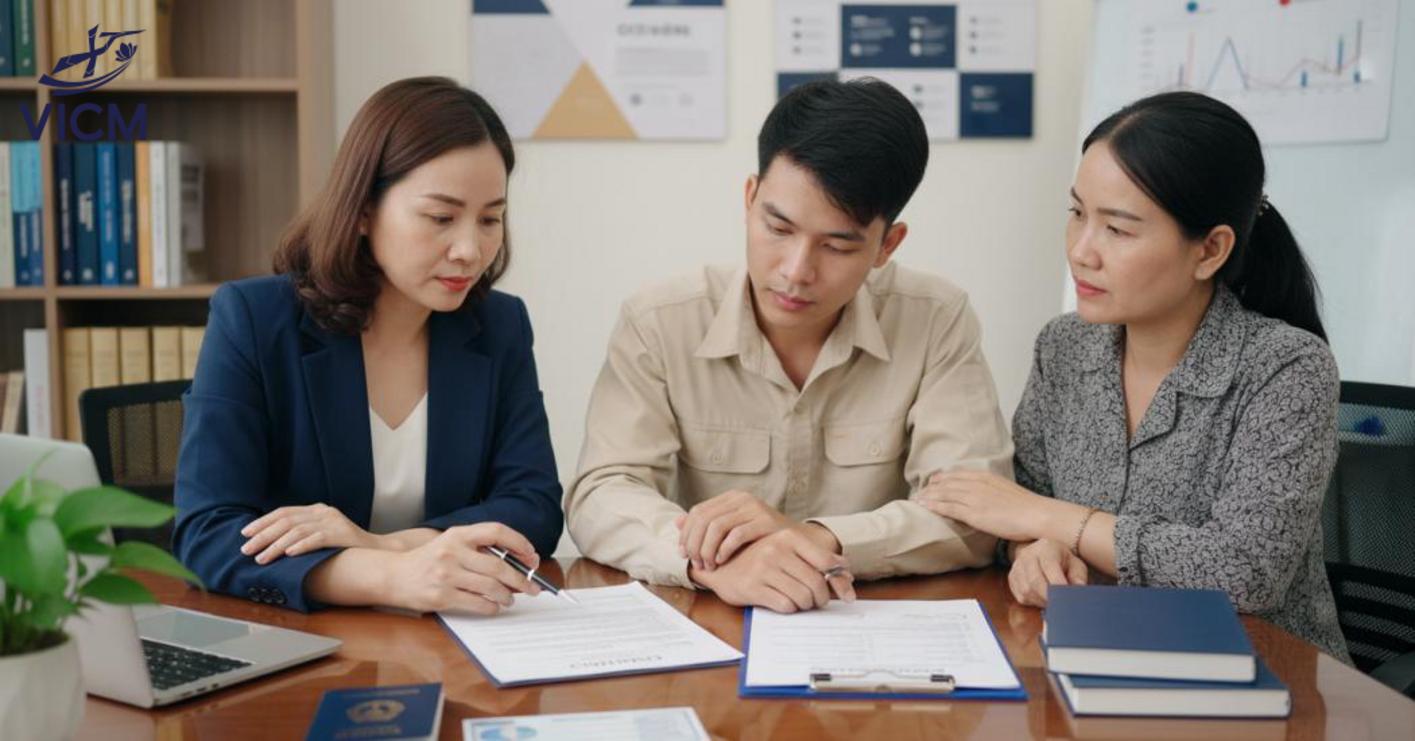
Common Risks and How to Reduce Them
The most common risks usually involve choosing an unsuitable visa category, believing unrealistic promises, and submitting documents that have not been verified carefully.
Requirements may change according to the industry and recruitment period, so applicants should always confirm the latest conditions before making a decision.
The application documents should also be reviewed thoroughly to reduce the risk of rejection caused by missing or inconsistent information.
Workers should use official channels, understand the full cost of the program, and avoid relying on shortcuts or unusually attractive promises.
Transparent procedures and verifiable documents provide much stronger protection than a low advertised fee or a promise of rapid approval.
Physical and Mental Readiness for Working in South Korea
Physical and psychological readiness is often underestimated before departure. Fast working routines, cold weather, long shifts, and language pressure can exhaust workers more quickly than expected, especially when they have not developed sufficient endurance.
Applicants should assess their health honestly and prepare their bodies gradually before starting the job.
Mental health is equally important.
Loneliness, homesickness, and financial pressure may reduce concentration and work performance.
A Korean language course combined with personal development before departure can help workers improve adaptation and maintain greater emotional stability during the early stages of employment.
Regular communication with family and access to reliable support can also reduce psychological pressure.
Career Guidance for Young People Considering South Korean work visas
Career guidance should not stop at the question of whether someone is eligible to work in South Korea.
It should also examine whether the chosen pathway supports the person’s longer term development.
The E9 visa may suit applicants with suitable health, strong discipline, and a short term objective of building savings.
Those with stronger qualifications, professional skills, or long term career ambitions should explore other visa categories that may provide better development opportunities.
Language preparation can also expand future options. Studying Korean for the EPS examination or a recognised language certificate may provide access to a wider range of employment and education pathways.
For businesses sending employees to South Korea, a structured support program can reduce the risk of unsuitable selection, limited preparation, and disruption to workforce plans.
Preparing for a Safe and Suitable Work Visa Pathway
Proper preparation begins with choosing the visa category that matches the applicant’s actual employment objective.
Language ability, health, financial capacity, professional experience, and psychological readiness should all be assessed before the application is submitted.
A common mistake is to believe promises of quick approval, ignore the real eligibility requirements, or submit documents without comparing the information carefully.
Applicants who want a safe employment pathway should prioritise transparent procedures, specialised guidance, and the correct visa category instead of choosing only the lowest cost or shortest process.
Contact VICM for an initial consultation, application assessment, and guidance on a safe visa pathway that matches your employment goals.
VICM Human Resources Training and Supply Company Limited
Head Office and Training Centre: A136Bis, Binh Duc Quarter, Lai Thieu Ward, Ho Chi Minh City
Email: admin.vicmhr@gmail.com
Hotline: 0932 38 31 38
Website: www.vicm.edu.vn