





Many students, parents, and working professionals understand that soft skills are important, but they often feel uncertain about where to begin.
Should they focus first on communication, listening, teamwork, or the connection between soft skills and emotional intelligence?
In practice, soft skills do more than support better learning.
They also influence interview performance, workplace effectiveness, and the way families support children throughout their development.
For organisations, soft skills are closely connected to sustainable performance and remain difficult to replace.
So which learning pathway is the most appropriate?
What Are Soft Skills and Why Do They Matter?
What Are Soft Skills?
Soft skills are the abilities that shape how a person communicates, collaborates, manages emotions, and adapts across different situations.
Technical skills show what someone can do professionally, while soft skills reveal how that person works with others and responds to real circumstances.
In practical terms, soft skills include listening carefully, expressing ideas clearly, managing time, solving problems, and maintaining an appropriate attitude.
These abilities do not develop automatically.
They are strengthened through learning, experience, practice, and feedback from the surrounding environment.

The Role of Soft Skills in Life and Work
For students, developing soft skills can make communication, group assignments, and adaptation to new environments much easier.
In daily life, soft skills and emotional intelligence help people manage their reactions, reduce conflict, and build stronger relationships.
For working professionals, soft skills create a clear advantage during interviews, team collaboration, presentations, and high pressure situations.
At organisational level, sustainable performance is often supported by clear communication, effective coordination, and more consistent decision making.
Common Misunderstandings About Learning Soft Skills
Many people assume that soft skills simply mean speaking well, but the concept is much broader.
It also includes listening, self awareness, emotional regulation, and the ability to adjust behaviour.
Another common misunderstanding is that soft skills only need to be learned once.
In reality, they require continuous practice in real situations.
Some people also treat technical skills and soft skills as completely separate.
In practice, the two support each other and work together to improve overall performance.
For parents, learning soft skills for family relationships should also begin with small daily habits rather than expectations of immediate change.
Soft Skills and Technical Skills: What Is the Difference?
Soft skills and technical skills are often discussed together, but they serve different purposes.
Technical skills help a person complete specific tasks, while soft skills shape the way they collaborate, manage situations, and create more consistent results.
When this distinction is understood clearly, individuals and organisations can choose a learning pathway that matches their actual goals.

Criteria for Distinguishing Soft Skills from Technical Skills
Kỹ năng cứng là năng lực đo được bằng bài kiểm tra, chứng chỉ hoặc sản phẩm đầu ra, như ngoại ngữ, tin học, kế toán hay lập trình. Ngược lại, kỹ năng mềm thiên về cách ứng xử và tương tác, chẳng hạn giao tiếp, quản lý thời gian, tư duy phản biện. Một người có thể giỏi chuyên môn nhưng vẫn gặp khó nếu thiếu khả năng phối hợp.
Điểm khác biệt nằm ở tính ứng dụng. Kỹ năng cứng thường phục vụ một công việc cụ thể, còn kỹ năng mềm là gì nếu không phải nền tảng giúp chuyên môn phát huy hiệu quả trong môi trường thật? Với kỹ năng mềm và trí tuệ cảm xúc, người học thường xử lý xung đột tốt hơn, giữ nhịp làm việc ổn định hơn.
Các kỹ năng mềm cốt lõi cần có ở mọi giai đoạn
Technical skills can usually be measured through tests, certificates, or completed work.
Examples include foreign languages, information technology, accounting, and programming.
Soft skills are more closely connected to behaviour and interaction.
They include communication, time management, critical thinking, and teamwork.
A person may be highly capable in a technical field but still face difficulties if they cannot coordinate with others effectively.
The main difference lies in how each skill is applied.
Technical skills usually support a specific role, while soft skills allow professional expertise to be used effectively in real environments.
People with stronger emotional intelligence also tend to manage conflict more calmly and maintain a more stable working rhythm.
Core Soft Skills Needed at Every Stage
Not every soft skill needs to be developed at the same time.
However, several foundational abilities should be prioritised at every stage of life.
These include self awareness, personal discipline, adaptability, responsibility, and problem solving.
They are important for students, working professionals, and people preparing for interviews.
Parents also benefit from these capabilities because they directly influence how they support and communicate with their children.
Programs that combine soft skills with wellness or personal development can be useful when emotional stability is treated as part of the learning process.
When people feel more balanced, their ability to learn, work, and respond to pressure often improves.
This also supports sustainable performance within organisations.
Communication, Listening, and Teamwork in Practice
In learning and professional environments, communication, listening, and teamwork have a major influence on the quality of the final outcome.
Good communication makes expectations clearer.
Good listening reduces misunderstanding.
Strong teamwork creates clearer responsibilities and smoother coordination.
These three abilities are closely connected.
People with strong soft skills are not necessarily the ones who speak the most.
They know how to ask the right questions and respond at the right time.
For organisations, this creates a more stable team.
For learners, it builds confidence in interviews, group projects, presentations, and difficult situations.
Developing Soft Skills for Different Groups
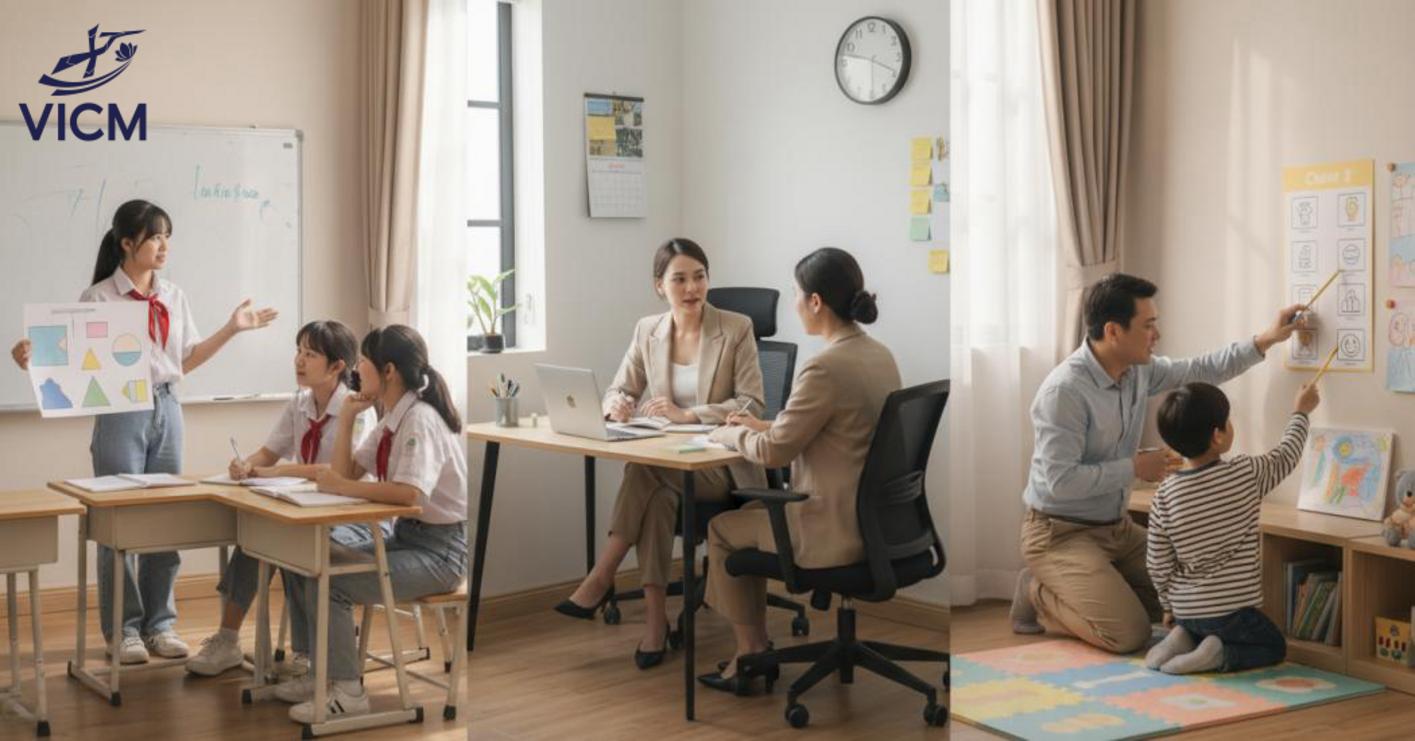
Each stage of life requires a different approach to soft skills development.
Once people understand what soft skills are and identify the areas they need to strengthen, it becomes easier to choose a focused pathway.
Whether in education, the workplace, or family life, the foundation remains communication, listening, and self regulation.
Soft Skills Development for Students
For students, soft skills development should begin with small and practical actions.
These may include expressing ideas clearly, managing study time, and collaborating in group activities.
This is also the stage when the difference between technical and soft skills becomes easier to recognise.
Knowledge helps students complete assignments, while soft skills help them work effectively with other people.
With consistent practice, students gradually build emotional intelligence and learn to manage pressure related to examinations, presentations, and extracurricular activities.
Personal development retreats or wellness based soft skills programs can be helpful, but only when they are connected to a clear objective.
Learning simply because a program is popular may not create meaningful results.
Soft Skills for Working Professionals and Interviews
For adults, soft skills are closely connected to workplace performance and interview outcomes.
Candidates need to present their experience clearly, respond to situational questions, and maintain a professional attitude.
Within organisations, sustainable performance often depends on clear communication, timely feedback, and effective coordination between departments.
When preparing for interviews, candidates should practise active listening, asking relevant questions, and giving structured answers.
These abilities do more than improve presentation.
They also reveal teamwork, adaptability, and problem solving capability.
Experienced professionals need to continue developing these skills so that their performance does not become stagnant.
Soft Skills for Parents and Children
Within families, soft skills are not developed mainly through theory.
They are shaped by daily interaction.
When parents listen before responding, children are more likely to share openly and learn how to express their own emotions.
This becomes especially important during conflict or periods of academic pressure.
Parents who want to support their children can begin by setting an example.
Keeping promises, respecting differences, and solving household responsibilities together can all contribute to soft skills development.
When these abilities are built through daily habits, children become more confident in learning, social relationships, and future decisions.

Applying Soft Skills in Education, Organisations, and Sustainable Performance
When discussing soft skills, many people immediately think of communication or presentation abilities.
However, the true value of these capabilities is much broader.
In education, organisations, and personal development programs, soft skills shape how people collaborate, adapt, and maintain performance over time.
Soft Skills in Organisations and Sustainable Performance
Within an organisation, soft skills do more than help employees complete tasks more quickly.
They also reduce conflict, improve collaboration, and support a more stable working rhythm.
When team members communicate clearly, listen carefully, and work well together, decisions are usually more consistent and fewer resources are spent correcting misunderstandings or avoidable mistakes.
Soft skills also help organisations create a workplace that can manage pressure without sacrificing mental wellbeing.
This is an important foundation for building long term performance indicators rather than focusing only on immediate results.
Soft Skills and Emotional Intelligence in the Workplace
Soft skills are often recognised through visible behaviour, while emotional intelligence reflects the deeper way people respond to pressure.
Individuals with strong emotional intelligence usually recognise their own emotions earlier.
This allows them to manage their reactions, choose more appropriate ways to communicate, and avoid damaging professional relationships.
This capability is especially important during interviews and in the workplace.
Employers assess more than technical expertise.
They also observe behaviour, cooperation, adaptability, and the ability to respond constructively in difficult situations.
Soft skills do not compete with technical ability.
They help professional knowledge and experience create value at the right time and in the right context.
Soft Skills Programs Combined with Wellness and Personal Development
An increasing number of soft skills programs now include wellness activities to help learners improve communication while also managing their mental and emotional energy.
These models may include personal development retreats that give participants time to reflect on their habits, goals, and current approach to learning or work.
For students, parents, and organisations, this approach may create more sustainable change than studying separate skills without a connected pathway.
Soft skills development requires opportunities to practise, receive feedback, and make adjustments according to individual goals.
Wellness activities can support this process, but they should remain connected to clear learning objectives and practical application.
Choosing an Effective Soft Skills Learning Pathway
Learning soft skills effectively does not mean studying as many abilities as possible.
The priority should be choosing skills that match the learner’s current stage and specific goals.
An unfocused approach may create a sense of being busy without producing meaningful change.
A suitable pathway should help learners recognise clear improvements in their education, work, and relationships.
Individuals may begin with communication, listening, and teamwork.
Organisations should prioritise programs that include practical activities, regular feedback, and measurable outcomes.
The most useful program is one that allows participants to apply what they learn in real situations rather than simply understand the concepts in theory.
Are you ready to make stronger progress in your education or career?
Contact VICM to receive a soft skills development pathway suited to your goals and current needs.
VICM Human Resources Training and Supply Company Limited
Head Office and Training Centre: A136Bis, Binh Duc Quarter, Lai Thieu Ward, Ho Chi Minh City
Email: admin.vicmhr@gmail.com
Hotline: 0932 38 31 38
Website: www.vicm.edu.vn