
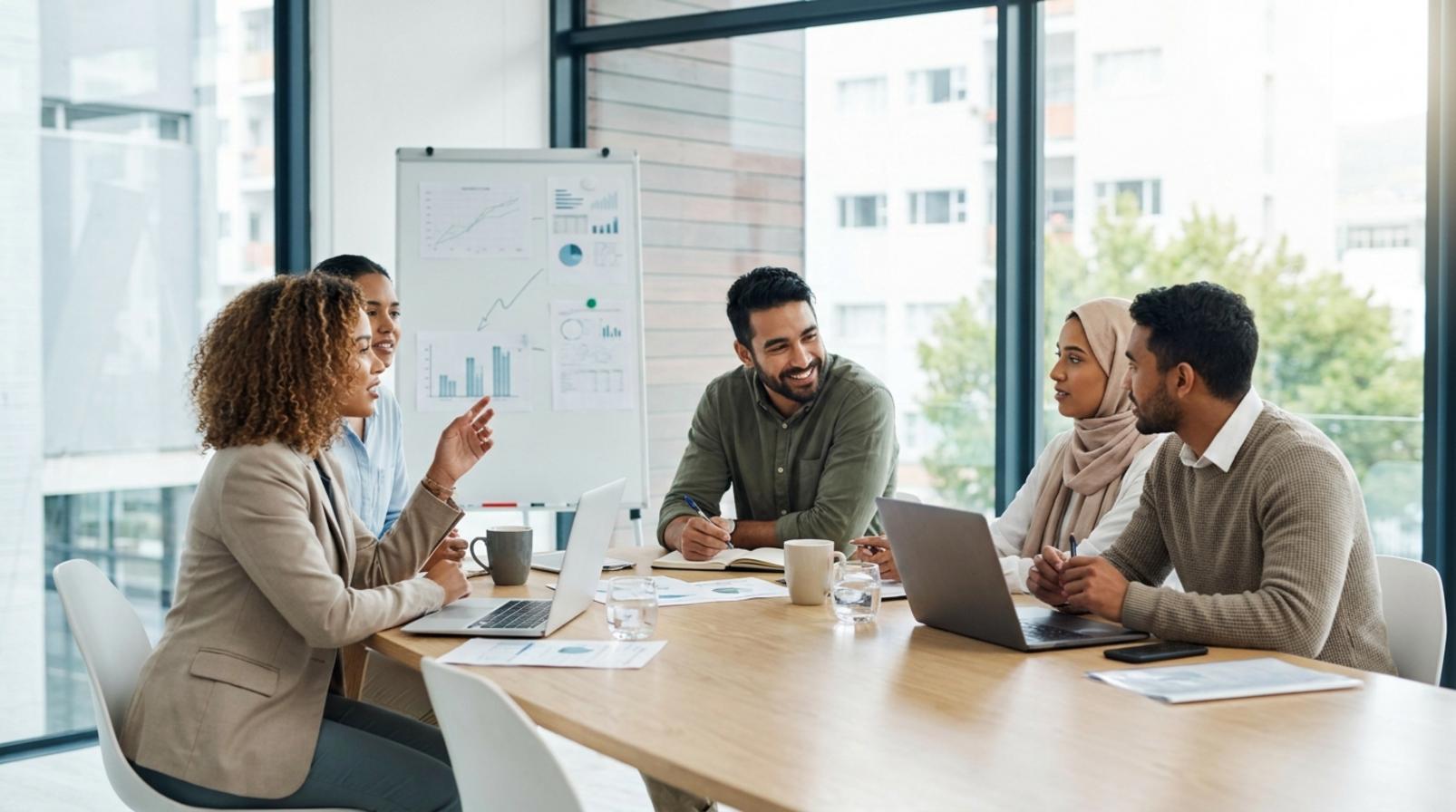

Without a solid foundation of workplace skills, an email can easily be misunderstood, a meeting can lose direction, and the performance of an entire team may decline.
For recent graduates, office employees, and internal training managers, it is not enough to know how to complete a task. People also need to adapt quickly and align their understanding, behaviour, and daily working habits.
So which skills can make an immediate difference from the first days at work?
What Are Essential Workplace Skills and Why Do They Directly Affect Performance?
Essential workplace skills involve more than technical competence.
They also include the way a person works with others, handles pressure, and maintains a stable working rhythm.
Within a business, individual capability creates real value only when it is supported by communication, discipline, and a strong sense of responsibility.
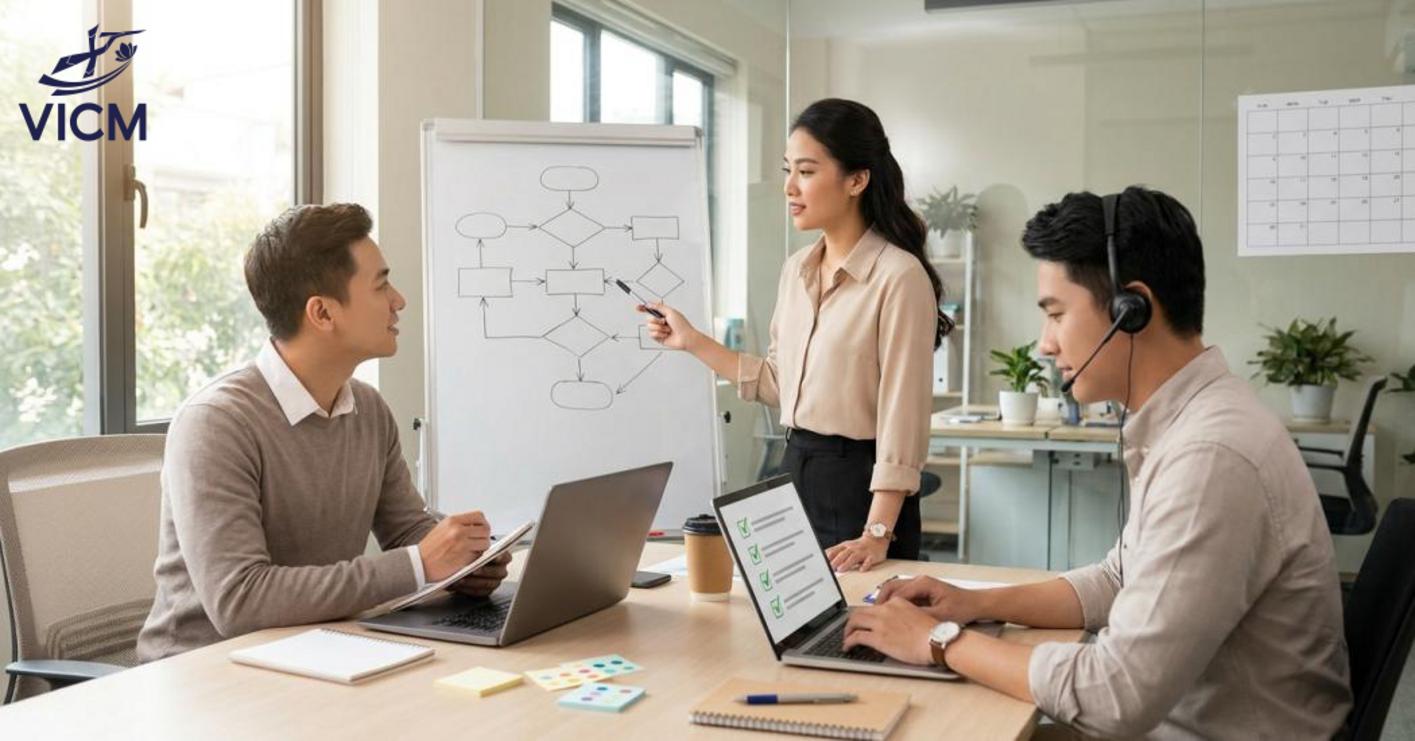
How Are Workplace Skills Different from Technical Competence?
Technical competence answers the question of what a person knows how to do.
Workplace skills answer how that person completes the work smoothly and effectively.
Someone may have strong technical expertise but still fall behind schedule because they lack time management, communication, or coordination skills.
By contrast, a new employee with limited experience may still create a positive impression through a willingness to learn, initiative, and consistency between understanding and behaviour.
In practice, businesses value both areas.
Technical capability helps employees complete tasks, while workplace skills support sustainable long term performance.
This is why essential workplace skills for recent graduates are considered a critical foundation when entering a professional environment.
Why Should New Employees Build These Skills Early?
The early stage of employment is when working habits develop most quickly.
If employees respond slowly, fail to listen carefully, or struggle to manage emotions and pressure, small mistakes can become repeated problems.
Building a strong foundation early helps new employees adapt more quickly, gain confidence when accepting responsibilities, and avoid depending too heavily on constant guidance.
A strong foundation usually begins with self awareness in the workplace.
This means understanding personal strengths, limitations, learning preferences, and reactions under pressure.
When this awareness is present, developing soft skills through inner growth becomes a practical approach to sustainable work rather than an abstract idea.
How Do Workplace Skills Affect Performance and Team Culture?
Performance depends not only on speed but also on reducing mistakes, conflict, and time spent correcting work.
People with strong workplace skills usually know how to prioritise important tasks, communicate clearly, and coordinate effectively.
This helps the team save time and resources.
Strong teamwork also creates trust and encourages employees to support one another proactively.
From a cultural perspective, teams with a solid skill foundation are more likely to maintain a positive working environment.
This is especially true when businesses implement workplace wellness programs or training models that integrate physical wellbeing, mental wellbeing, and practical skills.
Many businesses also provide personal development training for internal training managers instead of focusing only on short term KPIs.
Essential Workplace Skills Every Employee Needs
Essential workplace skills do more than help employees complete assigned tasks.
They also provide the foundation for rapid adaptation, effective collaboration, and sustained performance in demanding environments.
For both recent graduates and experienced employees, these skills begin with accurate self awareness and then expand into working with others and responding to change.
Self Awareness in the Workplace
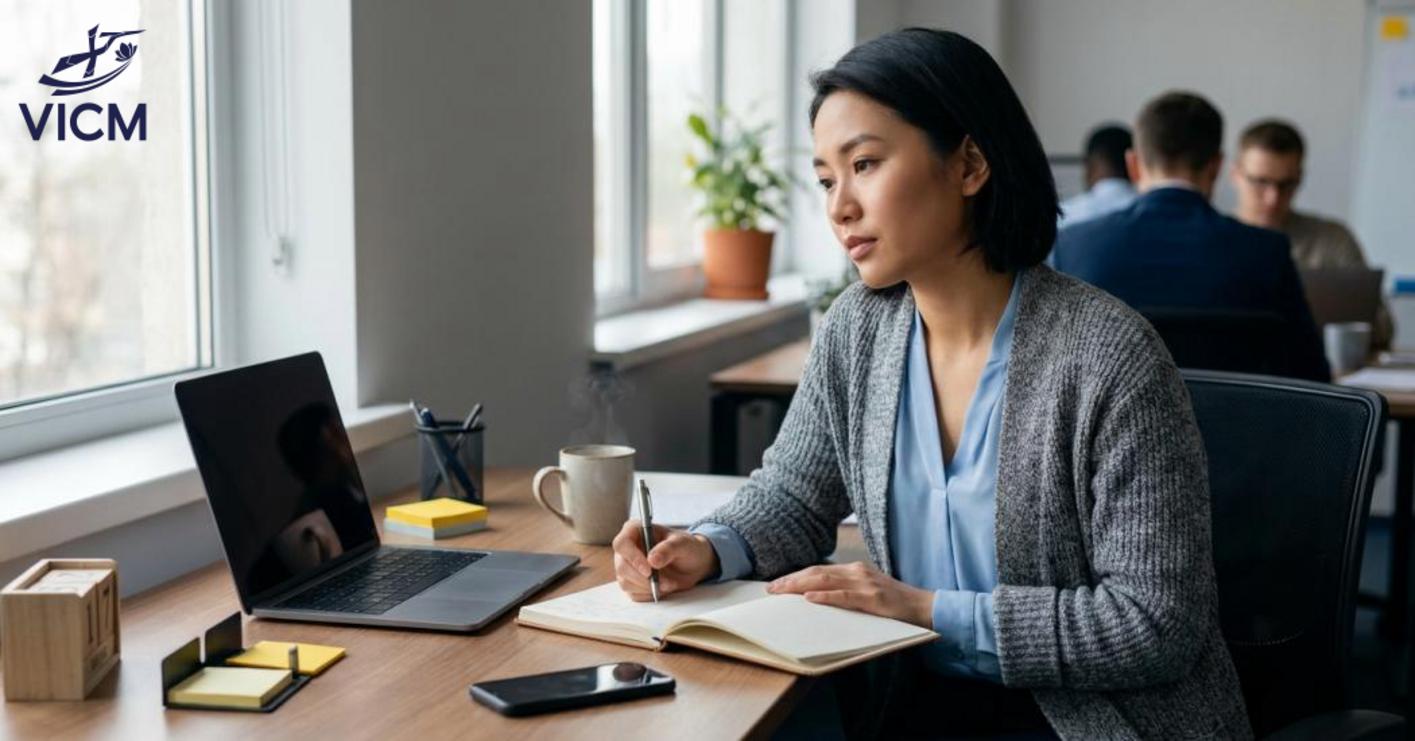
Self awareness helps employees understand their strengths, weaknesses, personal values, and limits.
When people know where they perform well and where they need improvement, they can choose more suitable learning methods and avoid setting unrealistic expectations for themselves.
This is also a key foundation for developing soft skills through inner growth, particularly for recent graduates seeking to build strong workplace capabilities.
In practice, employees can reflect at the end of each week by asking which tasks went well, which tasks caused delays, and whether the cause was a knowledge gap or a working habit.
This process supports internal training and helps managers recognise potential at an earlier stage.
Teamwork That Strengthens Connection
Effective teamwork involves more than dividing tasks evenly.
It also requires listening, responding at the right time, and coordinating around a shared objective.
When individuals understand their roles within the team, conflict decreases and progress becomes more consistent.
This is particularly visible in projects that require several departments to work together.
Effective teams usually have clear agreements regarding communication methods, deadlines, and final responsibility.
Corporate retreats and training models that combine physical wellbeing, mental wellbeing, and practical skills can also strengthen connection through shared experiences and increased trust.
Managing Emotions and Workplace Pressure
The ability to manage emotions and pressure helps employees remain clear minded when workloads increase or unexpected situations arise.
Instead of reacting immediately, people with this skill pause, assess the issue, and prioritise the most important task.
This capability is highly relevant to workplace wellness programs.
Simple practices include taking short breaks, recording sources of stress, and speaking with a manager early when there is a risk of delay.
When this skill is neglected, performance may decline, communication may become tense, and mistakes may increase.
For management positions, personal development training for internal training leaders may be particularly valuable.
Aligning Understanding and Behaviour at Work
Aligning understanding and behaviour means acting consistently with what has been agreed.
When thinking, communication, and execution support the same objective, trust within the team increases and work outcomes become clearer.
This is one of the workplace skills that has a direct influence on organisational culture.
For example, if a team agrees that quality is the priority, employees should not choose a faster approach that ignores essential checks.
This consistency is especially important in environments that require continuous collaboration.
It reduces misunderstandings and prevents situations where people understand what should be done but fail to act accordingly.
How to Develop Workplace Skills in Real Working Environments
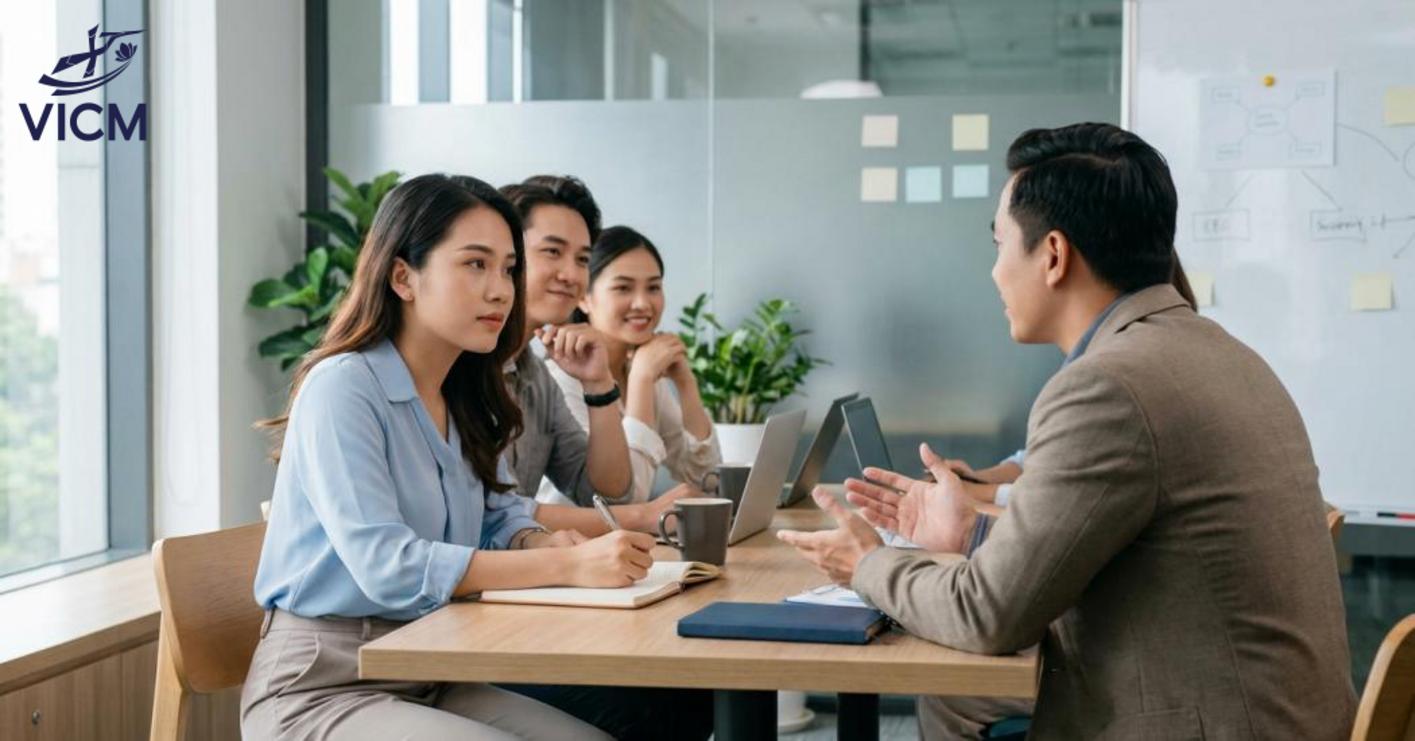
Developing workplace skills does not require lengthy theory.
It depends on observing personal behaviour, receiving feedback, and maintaining daily discipline.
When a business creates a supportive internal environment, employees can align their understanding and behaviour more effectively and improve performance in visible ways.
Developing Soft Skills Through Inner Growth
Strong workplace skills begin with self awareness.
Employees should ask themselves where they usually experience stress, how they respond to feedback, and what causes them to lose concentration.
Understanding these internal patterns helps improve emotional regulation and pressure management.
Useful habits include:
Record three situations that went well and one area for improvement at the end of each day.
Listen to feedback without reacting immediately.
Pause for one minute before responding to a difficult issue.
These practices are particularly useful in training models that combine physical wellbeing, mental wellbeing, and practical skills because soft skills become sustainable only when inner stability is strong.
How Recent Graduates Can Build Strong Workplace Skills
For recent graduates, the most important approach is to learn through small responsibilities.
They should not wait for a major project before developing their skills.
They can begin with writing clear emails, arriving on time, taking accurate notes, and reporting progress by the agreed deadline.
These details establish trust in a real working environment.
A practical three step process includes:
Observe how experienced colleagues handle tasks.
Practise on a small scale and request feedback.
Adjust the approach after each cycle.
When businesses provide personal development training for internal training managers, recent graduates may adapt more easily because they receive guidance on both practical skills and professional attitudes.
Small Habits That Improve Coordination and Problem Solving
Workplace skills are not limited to individual ability.
They also depend on effective coordination.
People who ask questions at the right time, provide timely updates, and keep commitments usually contribute more effectively to teamwork.
This forms the basis of connected and reliable team performance.
Useful habits include:
Confirm responsibilities using clear language.
Report risks early instead of waiting until the deadline.
Document solutions for future situations.
In workplace wellness programs and corporate retreats designed to improve performance, these small habits often create significant change.
They help teams coordinate more smoothly and reduce unnecessary conflict.
Designing Skills Development Programs for Employees and Internal Training Managers
An effective skills development program should go beyond technical knowledge.
It should also strengthen mental resilience, teamwork, and daily working habits.
When a business designs the program carefully, new employees can adapt more quickly, while internal training managers gain a clearer structure for improving overall team quality.
.
Workplace Wellness Programs for Office Employees
A workplace wellness program should begin with actual employee needs, such as neck and shoulder tension, stress, reduced concentration, and a lack of physical activity.
Businesses can introduce three simple activities: fifteen minutes of stretching during the workday, a basic nutrition workshop, and a weekly walking challenge.
For recent graduates, these activities also support the development of strong workplace skills because stable health improves learning, concentration, and the ability to maintain a consistent working rhythm.
Personal Development Training for Internal Training Managers
Personal development training for internal training managers should go beyond the organisation of training sessions.
Those responsible for internal training should develop stronger self awareness, recognise pressure more effectively, and manage emotions during conflict.
Suitable activities may include reflection after each training session, journals recording difficult situations, and simulations involving employee feedback.
When soft skills are developed through inner growth, managers are better able to create an environment in which understanding and behaviour remain aligned.
This is more effective than simply communicating procedures without supporting meaningful behavioural change.
A Training Model That Integrates Physical Wellbeing, Mental Wellbeing, and Practical Skills
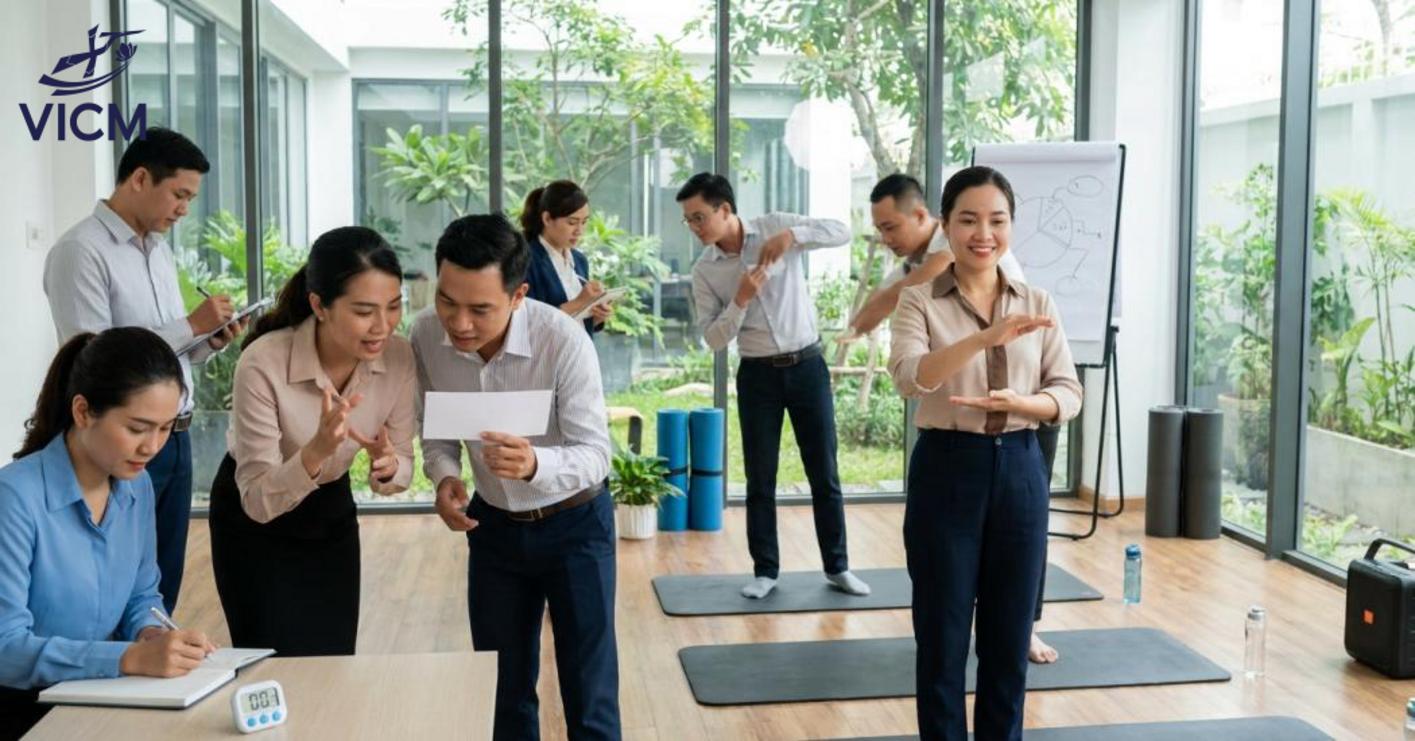
A training model that combines physical wellbeing, mental wellbeing, and practical skills should follow a short and practical cycle.
The morning session may begin with gentle physical activity to improve energy levels.
The middle of the program can focus on emotional regulation and managing workplace pressure.
The final session can involve practical teamwork exercises based on realistic workplace situations.
This approach is suitable for both office employees and people entering the workforce because it creates meaningful experiences while turning knowledge into specific behaviours.
Corporate Retreats That Improve Team Performance
A corporate retreat designed to improve performance should not be treated as a simple holiday.
When organised effectively, it can provide a space for employees to reset their thinking, strengthen trust, and clarify shared objectives.
Businesses should combine three elements: outdoor activities that improve connection, strategic discussions that address operational barriers, and clear commitments to action after the retreat.
This creates a retreat that supports measurable performance improvement rather than an event that produces strong emotions but limited long term change.
A Sustainable Direction for Workplace Skills Development
The most effective approach combines self awareness, teamwork, and sustainable working habits instead of relying on disconnected training that focuses only on technical ability.
When programs are designed comprehensively, employees are more likely to maintain consistent performance, while managers gain more practical tools for guiding their teams.
Most importantly, every activity should be connected to a specific workplace behaviour.
This allows employees to apply their skills immediately in their daily responsibilities and helps businesses create long term improvements rather than temporary motivation.
VICM Human Resources Training and Supply Company Limited
Head Office and Training Centre: A136Bis, Binh Duc Quarter, Lai Thieu Ward, Ho Chi Minh City
Email: admin.vicmhr@gmail.com
Hotline: 0932 38 31 38
Website: www.vicm.edu.vn