
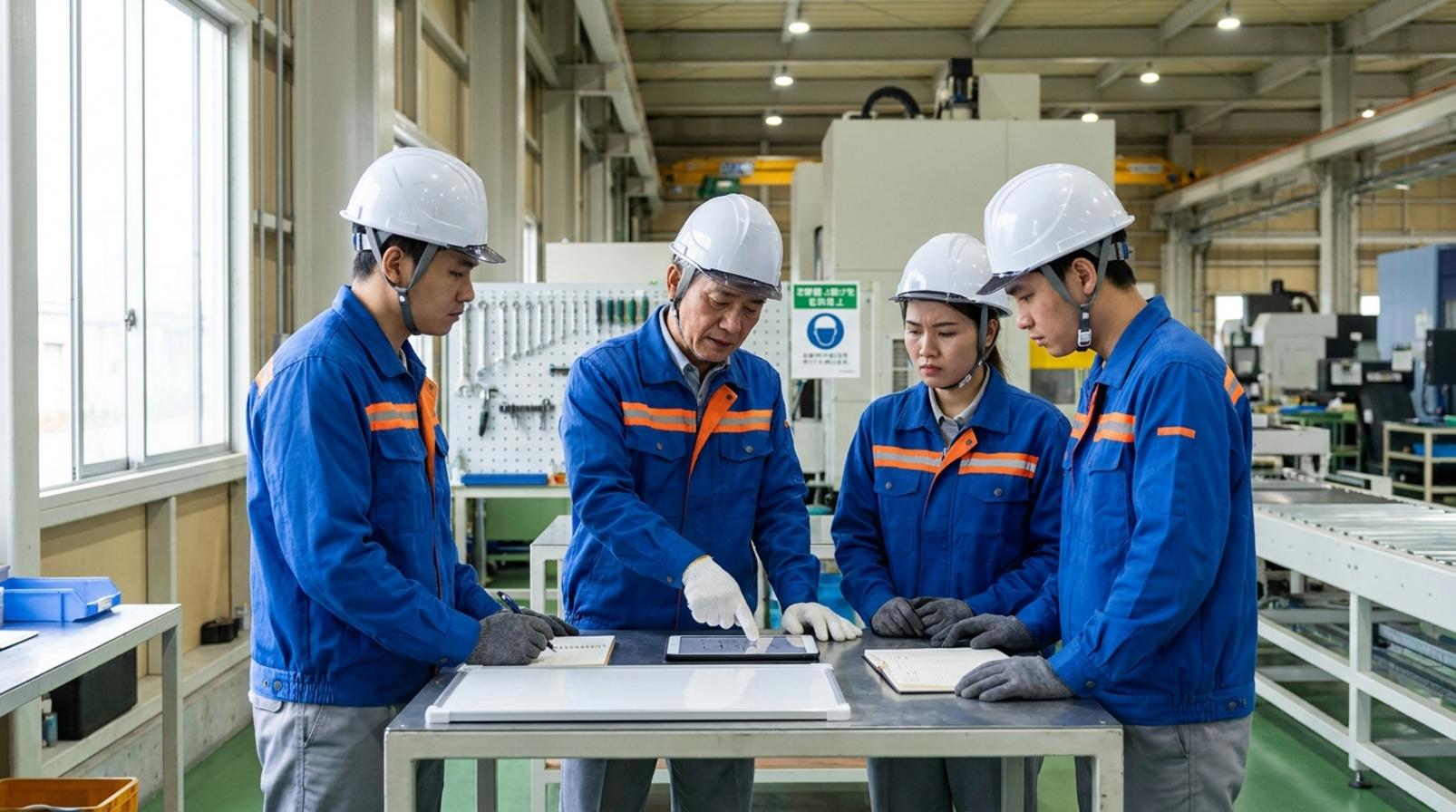



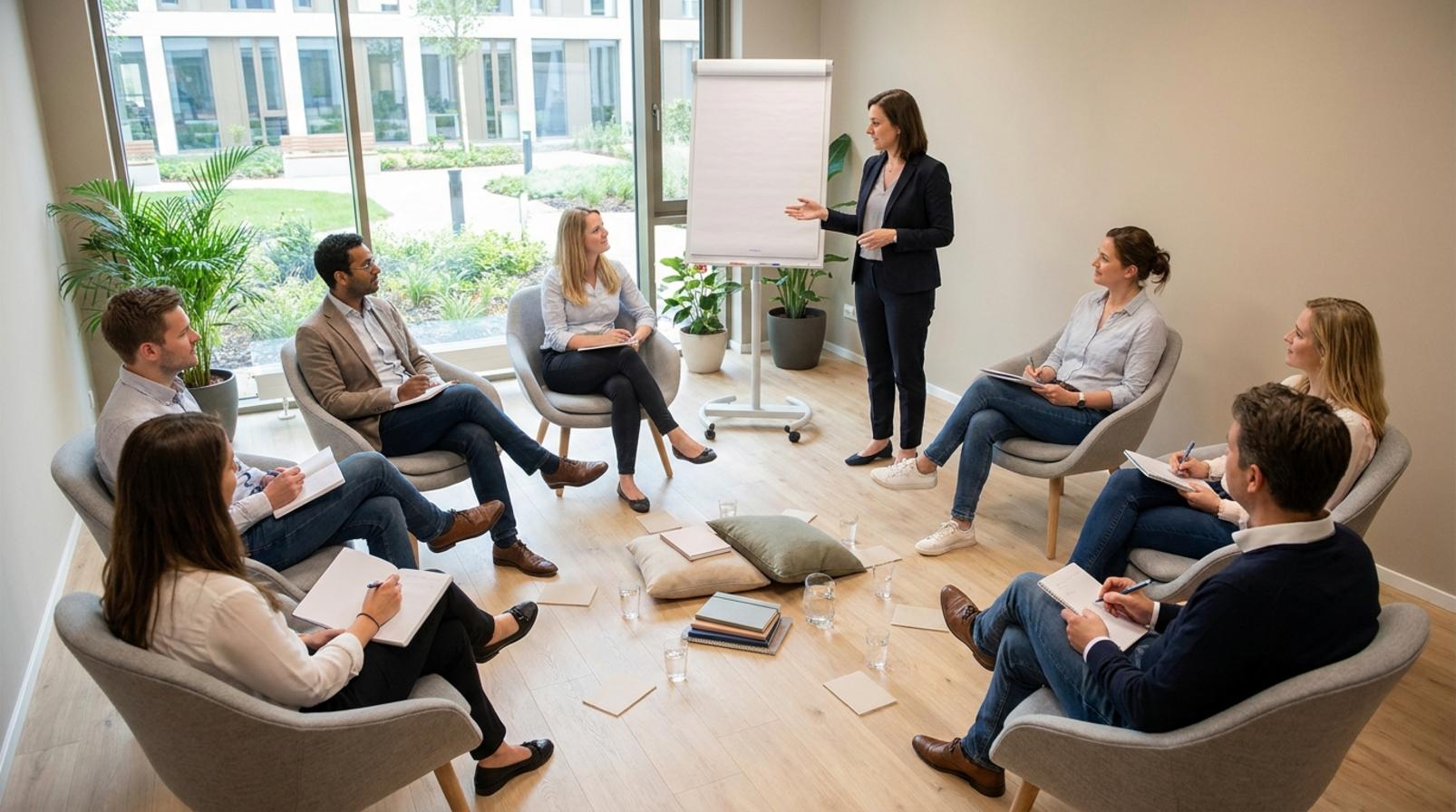

When a highly skilled employee lacks the right mindset, coordination can become inconsistent, responsibility may gradually weaken, and performance can decline over time.
This is where workplace mindset training becomes an essential foundation. It should be taken seriously not only as a way to improve individual attitudes, but also as a method for aligning team awareness and strengthening company culture.
When inner capacity begins to change, how much can the working environment improve?
What Is Workplace Mindset Training for Employees?
Workplace mindset training for employees involves more than teaching appropriate behaviour.
It is the process of shaping awareness, attitude, and responsibility in everyday actions.
When the right mindset is strengthened, businesses are more likely to create smoother coordination, greater initiative, and more consistent work quality.

How Is Workplace Mindset Different from Professional Skills?
Professional skills help employees perform tasks correctly.
Workplace mindset determines the attitude and level of responsibility they bring to those tasks.
An employee may be highly competent but still create errors, delays, or additional pressure for colleagues if they lack accountability.
By contrast, people with a constructive mindset are often more willing to listen, receive feedback, and honour their commitments.
Workplace mindset training does not replace professional development.
It strengthens the essential foundation that allows performance to remain sustainable.
Why Do Businesses Need to Develop Employee Mindset?
Businesses need to develop employee mindset because individual capability only creates strong results when it is supported by appropriate thinking.
In high pressure environments, mindset influences how people respond to change, handle conflict, and cooperate with others.
It also helps reduce blame, defensive behaviour, and weak commitment.
A suitable program can support positive attitudes and accountability while strengthening the inner capacity of leaders and team managers.
When awareness becomes aligned across the organisation, businesses have a greater opportunity to improve sustainable performance through inner development training.
Signs That Employees Lack the Right Workplace Mindset
Regularly missing deadlines, avoiding responsibility, and reacting emotionally to feedback are signs that an employee’s mindset may be unstable.
Other warning signs include a lack of initiative, disconnected working habits, reluctance to cooperate, and excessive influence from personal emotions.
These problems rarely affect only one person. They often place pressure on the entire team.
When these patterns continue, businesses should consider transforming negative attitudes through awareness training, constructive feedback habits, and stronger emotional self management.
How Is Workplace Mindset Connected to Company Culture?
Workplace mindset is the living expression of company culture.
An organisation may have strong procedures, but without ownership, cooperation, and mutual respect, operations can still become difficult.
By contrast, when a culture of emotional ownership and cooperation is developed, employees are more likely to align their thinking, actions, and support for one another.
This is why many businesses are interested in training models that combine wellness, physical activity, and mindfulness, as well as corporate inner development retreats.
The objective is not simply relaxation.
It is to align team awareness and company culture at a deeper level.
Building Positive Attitudes and Responsibility Within the Team
In a business environment, performance does not come from procedures alone.
It also depends on how each person views their work and responds to pressure.
When workplace mindset training is implemented effectively, teams often become more proactive, reduce blame, and remain calmer during change.
This creates a foundation for positive attitudes and accountability.
.

Practices That Help Transform Negative Workplace Attitudes
Negative attitudes rarely appear immediately.
They often build gradually through fatigue, lack of recognition, or the feeling of not being heard.
To create change, businesses should begin with small but consistent practices such as recognising effort, providing clear feedback, and creating space for honest discussion about difficulties.
When employees feel seen and understood, they are more likely to become less defensive.
Some workplace mindset programs also combine mindfulness, movement, and group dialogue to reduce tension and align team awareness with company culture.
Nurturing Cooperation and Mutual Respect
Sustainable cooperation cannot be built through slogans alone.
It develops when each person understands their role, respects professional boundaries, and offers support at the right time.
Team managers should lead by listening before reaching conclusions, delegating appropriately, and resolving conflict constructively.
When a culture of emotional ownership and cooperation is nurtured, meetings become less tense and collaboration becomes smoother.
This is also a practical way to strengthen the inner capacity of leaders and team managers.
How Does Gratitude Strengthen Team Connection?
Gratitude is not simply polite language.
It is the ability to recognise the value that others contribute through everyday actions.
A sincere expression of appreciation at the right time can reduce pressure, ease the feeling of being overlooked, and improve cooperation between departments.
When this spirit spreads, the workplace becomes more supportive.
In many corporate inner development retreats, gratitude practices help employees recognise the opportunities, support, and learning they receive.
This can strengthen team connection and improve sustainable performance through inner development.
How Does Humility Support Learning and Feedback?
Humility allows people to learn more quickly without being limited by ego.
Employees with this mindset are more likely to review themselves when receiving feedback instead of becoming defensive.
As a result, learning becomes more meaningful and mistakes are corrected earlier.
Businesses that want to build positive attitudes and responsibility should encourage feedback that is direct but respectful.
This is essential for creating a team with strong inner qualities, where people are willing to grow through challenges.
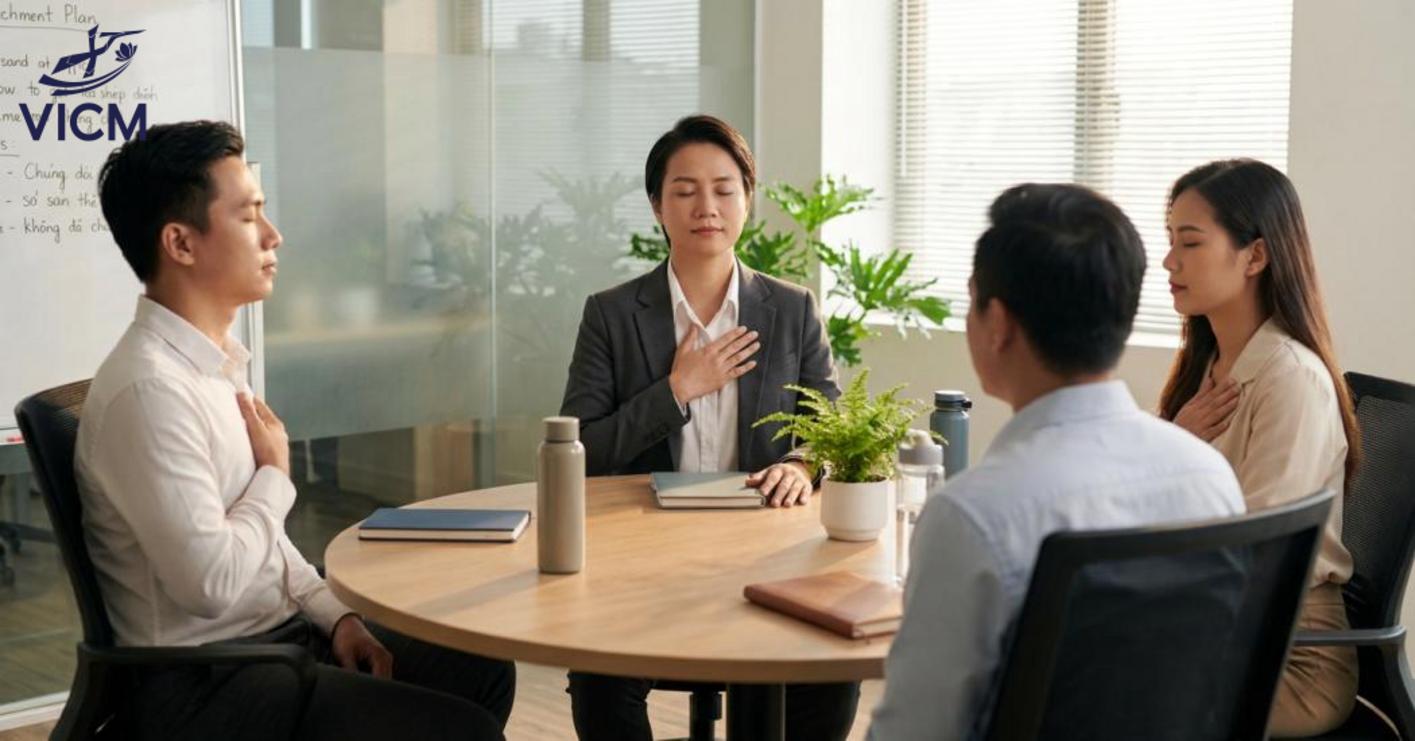
Strengthening the Inner Capacity of Leaders and Team Managers
Leadership strength does not come only from management techniques.
It begins with the ability to manage emotions, attitude, and personal energy each day.
When managers remain grounded, teams are more likely to trust them, cooperate effectively, and maintain stable performance under pressure.
Where Should Leadership and Team Management Development Begin?
The foundation of leadership development is usually self awareness.
Managers need to understand how they respond to pressure, what causes them to lose composure, and how to make decisions without being controlled by emotion.
This is also the starting point of workplace mindset training within a business.
When inner stability is strong, words and actions become more consistent.
This creates the conditions for positive attitudes and accountability instead of expecting employees to change through external pressure alone.
Some organisations also combine coaching, workshops, or training models involving wellness, physical activity, and mindfulness to strengthen psychological resilience among managers.
Maintaining a Stable Mindset Under Pressure
High pressure can lead to impatience, defensiveness, or excessive control.
Instead of simply enduring the situation, managers should learn to step back from their emotions briefly and observe the issue more clearly.
A deep breath or short pause before responding can prevent unnecessary mistakes.
Maintaining a stable mindset also requires clear professional boundaries, appropriate prioritisation, and acceptance that not every situation needs an immediate response.
When businesses provide corporate inner development retreats or regular opportunities for recovery, teams are more likely to restore their energy and maintain sustainable performance.
Habits That Help Managers Align Team Awareness
Aligned team awareness and company culture do not come from slogans.
They develop through habits that are repeated consistently.
A short meeting at the beginning of the week, transparent feedback, and agreed behavioural standards help everyone understand shared objectives in the same way.
Managers should also lead by example in communication, conflict resolution, and commitment.
When their actions support their words, teams are more likely to replace negative attitudes with cooperation.
Over time, these habits create stronger inner qualities throughout the organisation and allow operations to run more smoothly with less dependence on constant supervision.
A Culture of Emotional Ownership and Cooperation
A culture of emotional ownership and cooperation is created when businesses recognise emotions, awareness, and responsibility as part of professional capability.
In this environment, workplace mindset training is no longer treated as a secondary activity.
It becomes a central element that helps employees mature in both thinking and behaviour.
The most important requirement is a safe environment where people can be heard, make adjustments, and continue developing.
When individuals can regulate themselves effectively, they contribute more positively to the team.
This is a sustainable way to strengthen leadership, reduce internal conflict, and improve coordination across the organisation.
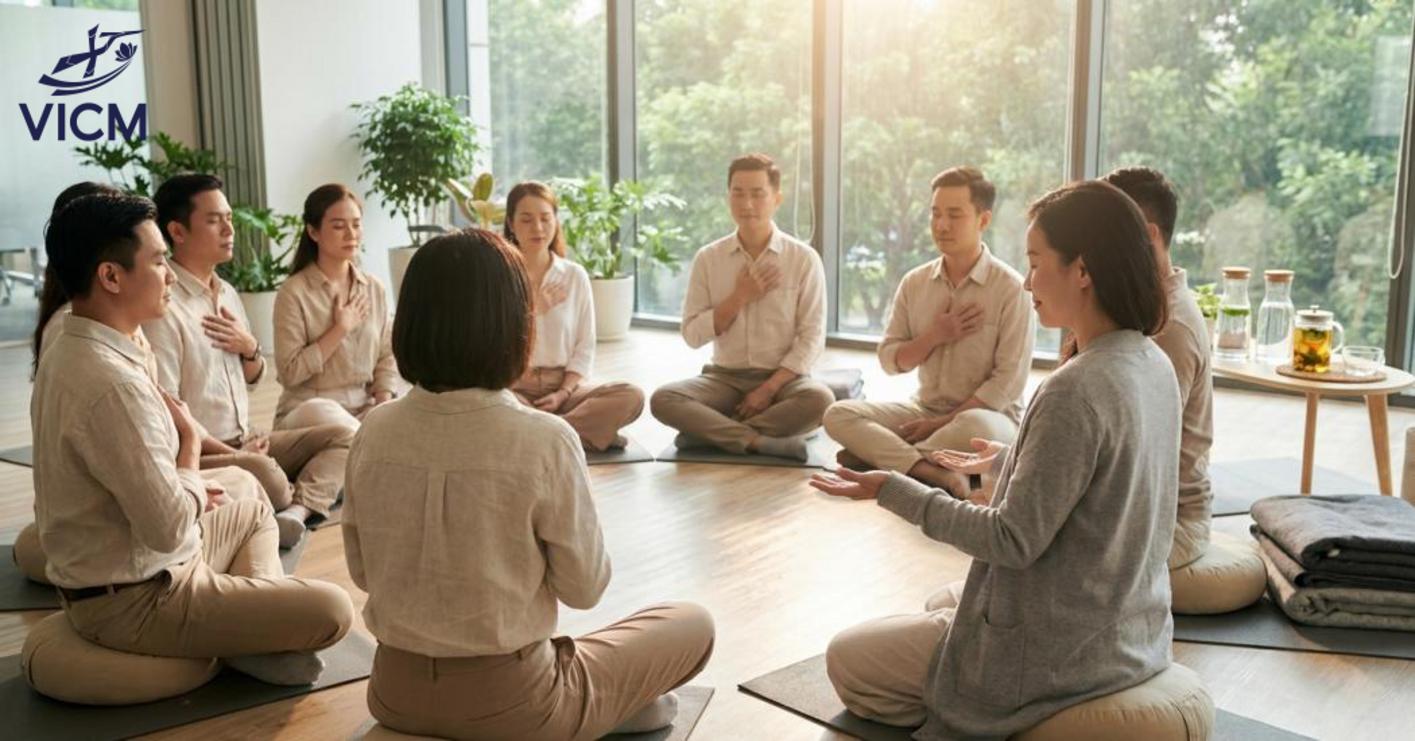
What Can a Corporate Inner Development Retreat Deliver?
A corporate inner development retreat offers more than a break from work.
It creates space for employees to reconnect with themselves and with the organisation’s shared purpose.
When operational pressure continues for a long period, businesses often need an approach that goes deeper than conventional skills training.
Workplace mindset training helps employees become more internally stable so that they can act with greater clarity, consistency, and responsibility in a changing environment.
A Training Model That Combines Wellness, Physical Activity, and Mindfulness
A training model that combines wellness, physical activity, and mindfulness creates a different learning experience because it supports the body, mind, and daily working rhythm.
Gentle movement, slow breathing, short meditation sessions, and mental wellbeing practices help reduce physical tension while giving the mind enough space to absorb new ideas.
This provides an important foundation for workplace mindset training, especially when an organisation wants to reduce overload and improve concentration.
When designed effectively, a corporate inner development retreat is not simply a leisure activity.
It becomes a structured process for restoring energy and strengthening awareness.
Participants learn to recognise their own reactions, adjust their working rhythm, and develop more positive attitudes and responsibility in their daily work.
Aligning Team Awareness and Company Culture Through Inner Experience
A strong organisation requires more than clear procedures.
It also needs alignment between team awareness and company culture at a deeper level.
Inner development experiences encourage employees to review how they communicate, cooperate, and respond under pressure.
This can reduce unnecessary tension and misunderstanding.
When team members go through a shared development journey, they are more likely to build a common language of cooperation and greater mutual understanding.
This is also a gentle but effective way to transform negative workplace attitudes.
Instead of relying only on reminders about discipline, the business creates conditions for each person to recognise their own role within the team.
As a result, a culture of emotional ownership and cooperation can develop more naturally rather than remaining a slogan.
Improving Sustainable Performance Through Inner Development
Sustainable performance does not come from forcing employees to work faster.
It comes from helping people operate with greater stability.
When the mind is less distracted, teams make clearer decisions, reduce mistakes, and maintain energy more effectively over time.
This offers a significant advantage to businesses that want to improve performance without weakening employee resilience.
Over the long term, workplace mindset training also strengthens leadership capacity and team management.
Managers who remain calm, listen carefully, and lead with consistency create a positive influence across the organisation.
Performance then becomes less dependent on short term pressure and more firmly supported by strong inner qualities throughout the workplace.
When Should a Business Introduce an Inner Development Retreat?
Businesses should consider an inner development retreat when employees show signs of prolonged fatigue, communication becomes less effective, cooperation declines, or employee turnover increases.
It may also be appropriate during restructuring, rapid expansion, or a period when company culture needs to be strengthened after significant change.
A well timed program can create a meaningful shift.
An inner development retreat may also be valuable when leaders want to build positive attitudes and responsibility rather than simply increasing pressure through KPIs.
The key is not to organise the most impressive event possible.
The experience should reflect the current condition of the team and the organisation’s specific development objectives.
Creating Lasting Change Through Workplace Mindset Training
Workplace mindset provides the foundation for sustained responsibility, natural cooperation, and performance supported by long term resilience.
When businesses focus only on skills and overlook inner capacity, employees may understand more but still become disconnected when pressure increases.
The right approach is to choose a model that matches the company culture, the maturity of the team, and the specific transformation the organisation wants to achieve.
When inner wellbeing is supported appropriately, operational results become more stable and sustainable.
VICM Human Resources Training and Supply Company Limited
Head Office and Training Centre: A136Bis, Binh Duc Quarter, Lai Thieu Ward, Ho Chi Minh City
Email: admin.vicmhr@gmail.com
Hotline: 0932 38 31 38
Website: www.vicm.edu.vn