
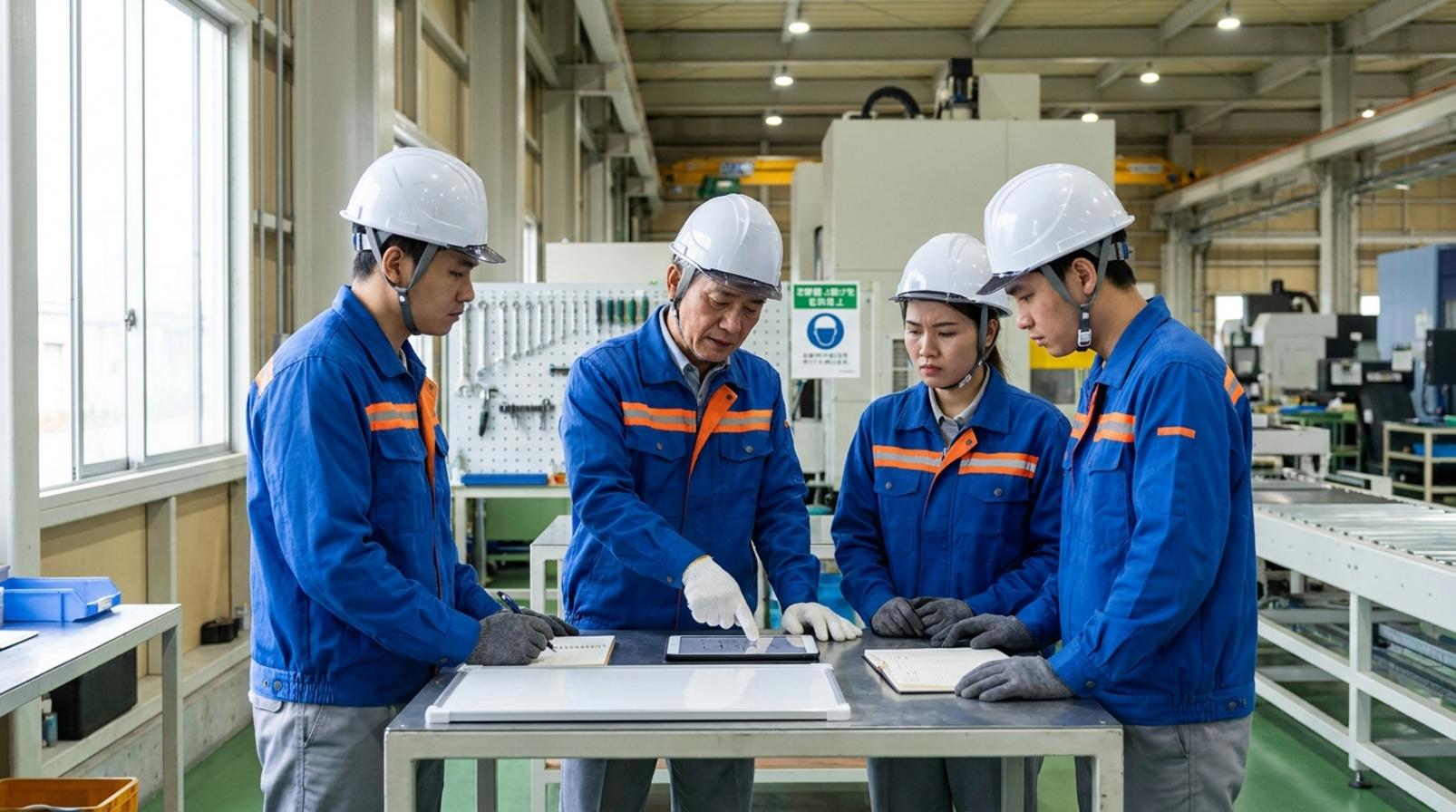





The important figure was not only the official minimum wage in South Korea in 2020.
It was also necessary to understand the hourly calculation, standard working hours, and deductions applied in practice.
For parents, students, and businesses monitoring the South Korean labour market, this information needed to be reviewed carefully before making a decision.
So which figure provided the most reliable reference?
What Was South Korea’s Minimum Wage in 2020?
South Korea’s minimum wage in 2020 was the lowest amount employers were legally required to pay employees under standard working conditions.
When reviewing the 2020 rate, many people were interested not only in the specific figure.
They also used it to compare South Korea’s minimum wage over several years and assess changes in income and living expenses during different periods.

South Korea’s Hourly Minimum Wage in 2020
In 2020, South Korea’s hourly minimum wage was set at 8,590 won, representing an increase from the previous year.
This figure provided an important basis for calculating overtime pay, short shifts, and hourly income for general workers.
For international students asking how much they could earn from part time work, the hourly rate was often the first reference point.
However, actual income still depended on working hours, taxes, insurance contributions, and the conditions of each job.
The 2020 figure is also frequently used when comparing minimum wages in South Korea and Vietnam or examining the relationship between wages and sustainable labour productivity in each market.
Eligible Workers and Possible Exceptions
As a general rule, the minimum wage applied to most employees, including foreign workers legally employed in South Korea.
The rights of foreign employees were therefore protected under the legal framework as long as their employment relationship and working hours met the relevant requirements.
However, certain exceptional cases may not have received the full rate.
These could include trainees completing specific vocational programs or positions governed by separate legal provisions.
When assessing wages and living expenses in South Korea, workers should also review their contract, visa category, and payment structure to avoid misunderstandings.
Understanding these details can also make financial guidance for Vietnamese students in South Korea more realistic.
South Korea’s Hourly Minimum Wage: Calculation Method and Rates by Year
The hourly minimum wage is commonly used to estimate monthly take home income, particularly for part time employees, international students, and seasonal workers.
When the conversion method is understood correctly, employers and workers can compare hourly pay, working hours, and potential deductions more accurately.
How to Calculate Monthly Income from the Hourly Rate
The basic calculation involves multiplying the hourly wage by the total number of working hours in a month.
For standard employment, basic monthly income is often estimated using 209 hours.
This figure reflects the average number of working and paid rest hours used in the monthly calculation.
With an hourly minimum wage of 8,590 won in 2020, the estimated monthly income was approximately 1,795,310 won before taxes and other deductions.
Actual take home income could still vary depending on night shifts, overtime, allowances, and insurance contributions.
This is why workers should consider both their basic wage and living expenses in South Korea before deciding whether to rely on long term part time work.
South Korea’s Minimum Wage from 2020 to 2024
South Korea’s minimum wage increased steadily between 2020 and 2024, reflecting adjustments related to inflation and living needs.
The hourly minimum wage was 8,590 won in 2020, 8,720 won in 2021, 9,160 won in 2022, 9,620 won in 2023, and 9,860 won in 2024.
When comparing minimum wages in South Korea and Vietnam, it is also important to consider purchasing power, working hours, the legal rights of foreign workers, and the psychological pressure associated with employment.
For international students, actual earnings always depended on the number of legally permitted working hours and their real living expenses.
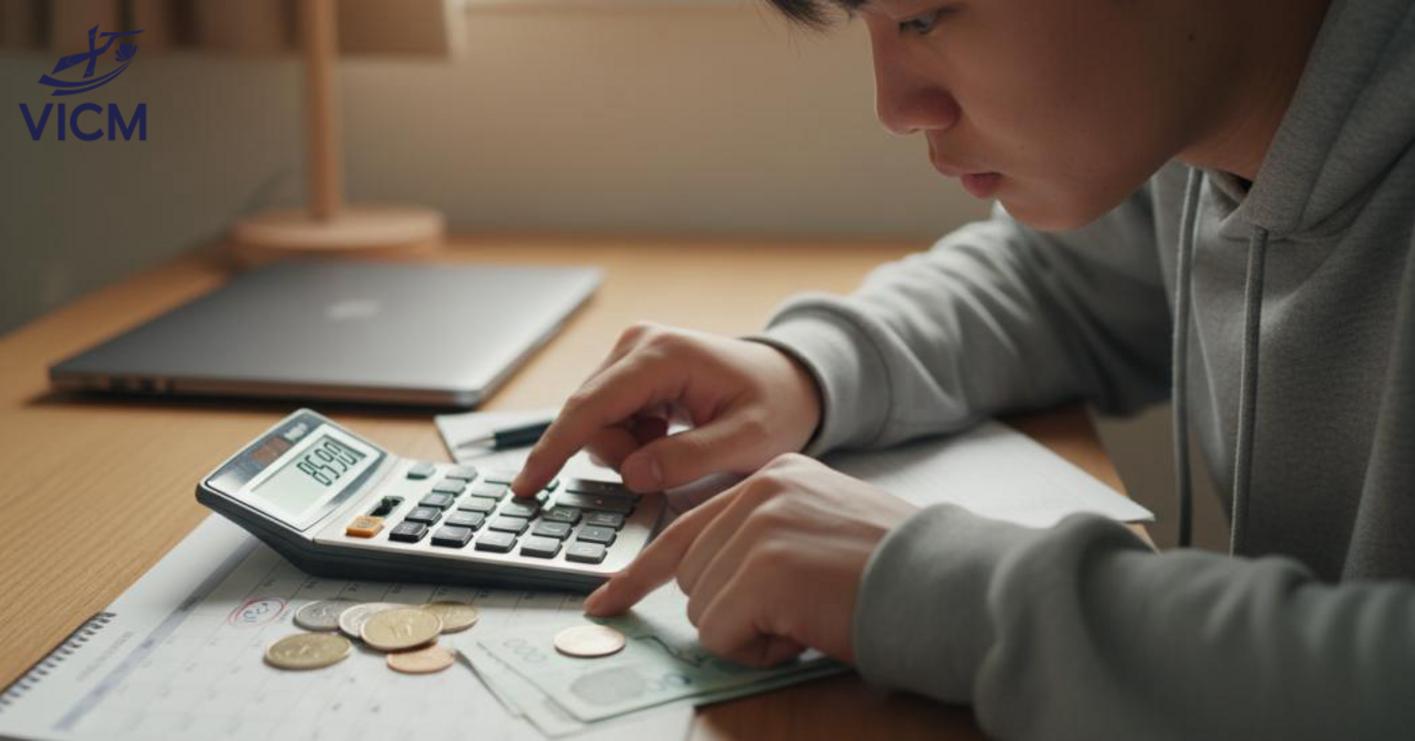
How Did South Korea’s 2020 Minimum Wage Affect International Students and Foreign Workers?
South Korea’s minimum wage in 2020 provided an important benchmark for both international students and foreign employees.
Although the higher minimum rate appeared to improve earning potential, actual income still depended on permitted working hours, the type of employment, and the relationship between wages and living expenses.
How Much Could International Students Earn from Part Time Work?
At the 2020 hourly rate, the amount earned by an international student depended on working shifts, night allowances, and the area in which they lived.
Many students expected their income to cover most daily expenses.
However, after paying for accommodation, food, transport, and insurance, the remaining amount was often limited.
Financial planning was therefore essential for international students who wanted to avoid relying entirely on part time employment.
Foreign Worker Rights and a Comparison with Vietnam
Foreign workers in South Korea were generally entitled to a clear employment contract, insurance coverage, and the legal minimum wage.
When employers complied with regulations, these protections could also help reduce some workplace pressure and uncertainty.
South Korea’s minimum wage was considerably higher than Vietnam’s.
However, living expenses and workplace discipline were also more demanding.
The continued increase in South Korea’s minimum wage showed that income was improving, but sustainable savings still depended on productivity, living costs, and the employee’s ability to maintain stable employment.
Applying South Korea’s 2020 Minimum Wage to Personal Financial Planning
The minimum wage was not simply a reference figure.
It could also serve as the starting point for developing a realistic personal budget.
By reviewing South Korea’s 2020 hourly minimum wage, individuals could estimate hourly income and convert it into monthly earnings based on the expected number of shifts.
This also made comparisons between South Korea and Vietnam more meaningful when housing, food, transport, and insurance expenses were included.
Such an approach helped prevent overly optimistic financial planning.

Creating a Realistic Budget Based on Wages and Living Expenses
After identifying the hourly rate, the next step was to divide expenses into compulsory and flexible categories.
South Korea’s minimum wage in 2020 could be used to estimate minimum income, but accommodation, utilities, food, education, and other essential costs still needed to be deducted.
Historical wage data showed that rising income did not always keep pace with rent or service expenses.
Maintaining an emergency fund and avoiding excessive dependence on overtime were therefore important parts of financial preparation.
Financial Guidance for International Students in South Korea and the Next Preparation Steps
Financial planning for international students in South Korea should begin with clear priorities.
These normally include tuition fees, living expenses, and an emergency fund that can cover at least several months.
Students should also understand how much they can legally earn from part time work, the rights of foreign workers, and the permitted number of working hours.
The relationship between minimum wage and psychological pressure should also be considered.
Working excessive hours may affect both physical health and academic performance.
A financial plan should therefore be created for each academic term rather than being based only on short term income expectations.
Interpreting the 2020 Wage in a Realistic Context
The 2020 minimum wage should always be considered alongside actual living expenses and working conditions.
An hourly figure only represents one part of the overall financial picture.
When working hours, legal rights, insurance contributions, and essential expenses are ignored, the budget can become inaccurate from the beginning.
International students and workers should first confirm South Korea’s minimum wage in 2020 and then convert it into a realistic monthly budget.
That amount should be compared with compulsory expenses such as accommodation, food, transport, insurance, and education.
Over the long term, stable employment and sustainable productivity remain more important than the hourly wage alone.
Need detailed guidance on studying and working in South Korea?
Contact VICM for support in building a suitable preparation pathway.

VICM Human Resources Training and Supply Company Limited
Head Office and Training Centre: A136Bis, Binh Duc Quarter, Lai Thieu Ward, Ho Chi Minh City
Email: admin.vicmhr@gmail.com
Hotline: 0932 38 31 38
Website: www.vicm.edu.vn