



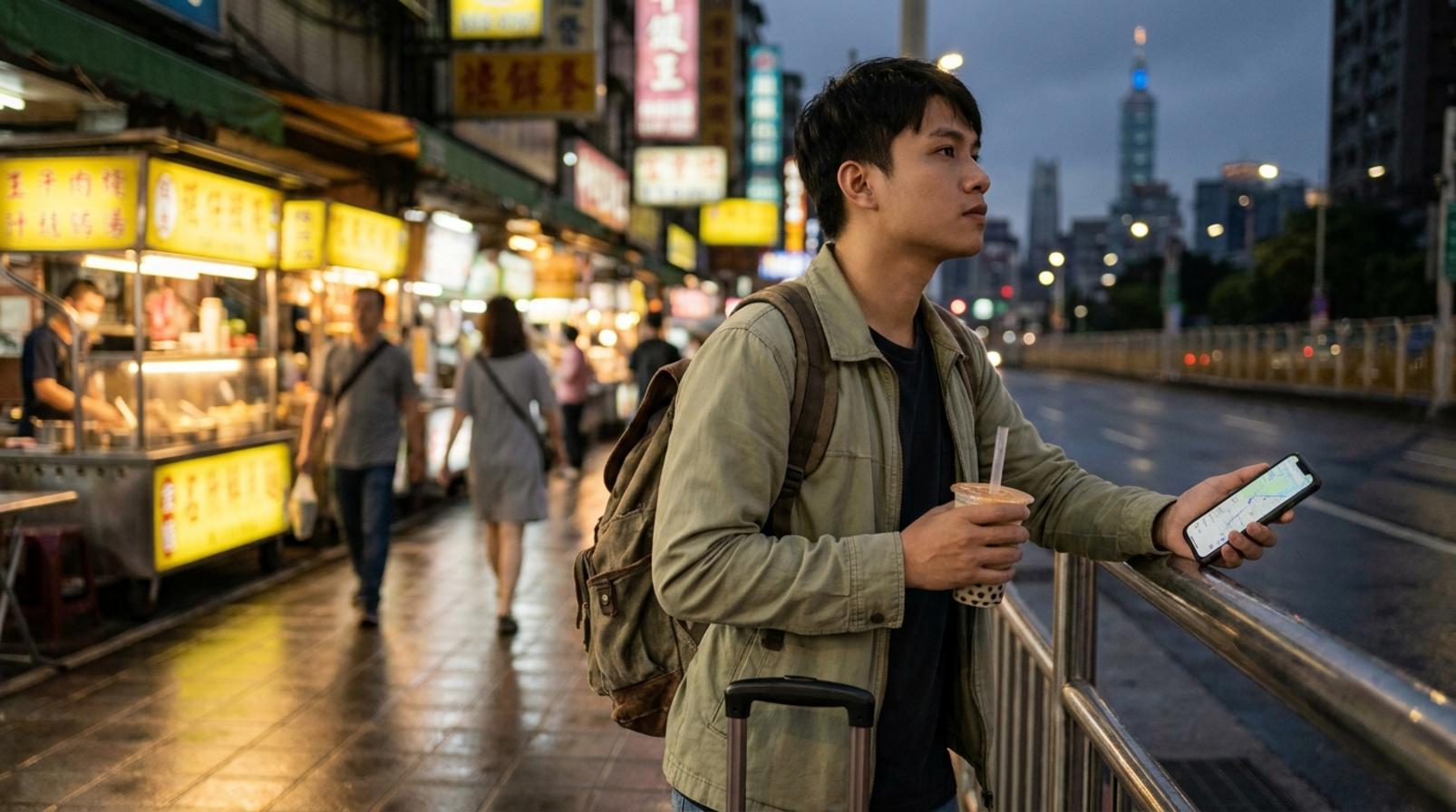

It also involves managing expenses, employment, language barriers, and the sense of emptiness that can arise when homesickness sets in.
For Vietnamese people in Taiwan, whether they are factory workers, international students, or Vietnamese women married to Taiwanese citizens, every path comes with its own pressures.
Between adapting to Taiwanese culture and maintaining emotional balance, what should people prepare for first?
Vietnamese People in Taiwan Today: Community Life and Common Groups
The Vietnamese community in Taiwan is highly diverse.
It includes not only general workers but also international students, multicultural families, and professionals working under specialist employment programs.
Each group has different goals, routines, and levels of adaptation to life in Taiwan.
These differences create a community filled with opportunities, but also with pressures that need to be understood realistically.
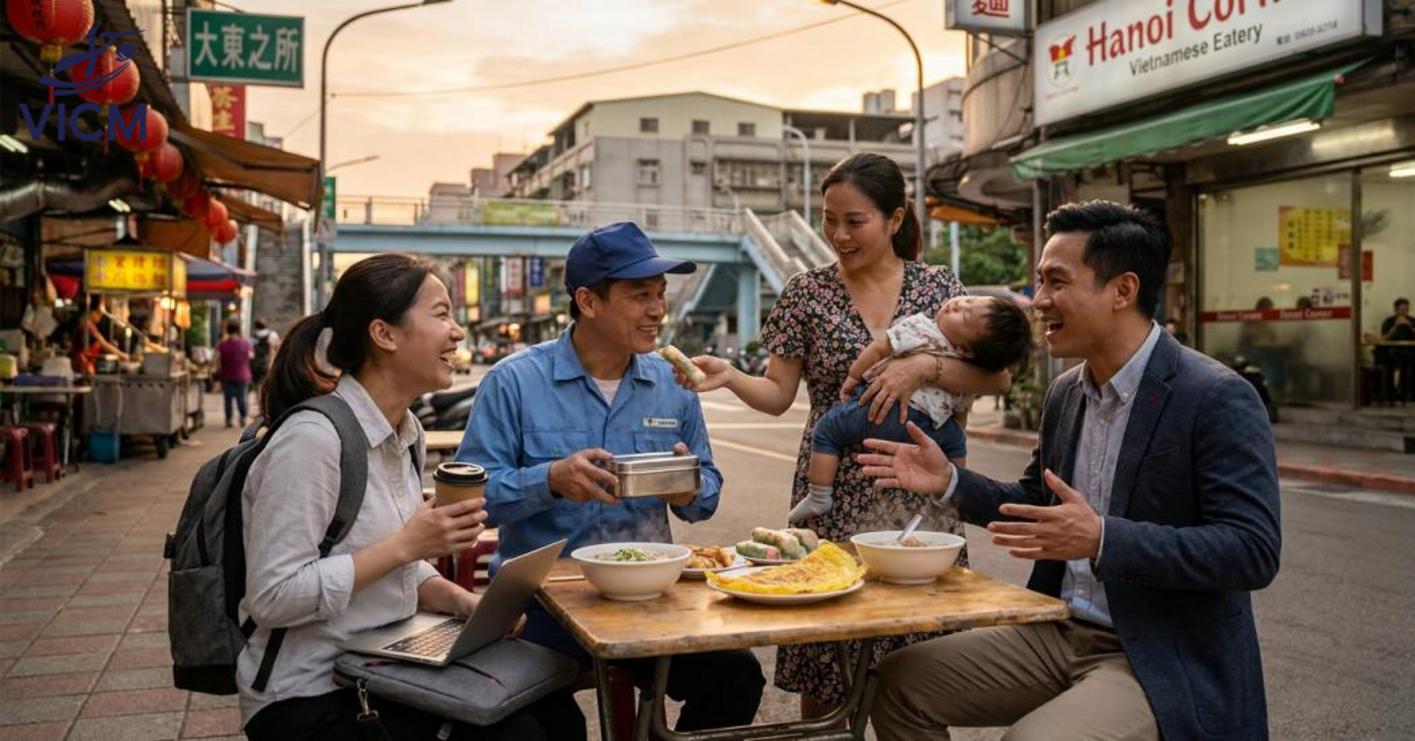
Life in Taiwan for Different Vietnamese Resident Groups
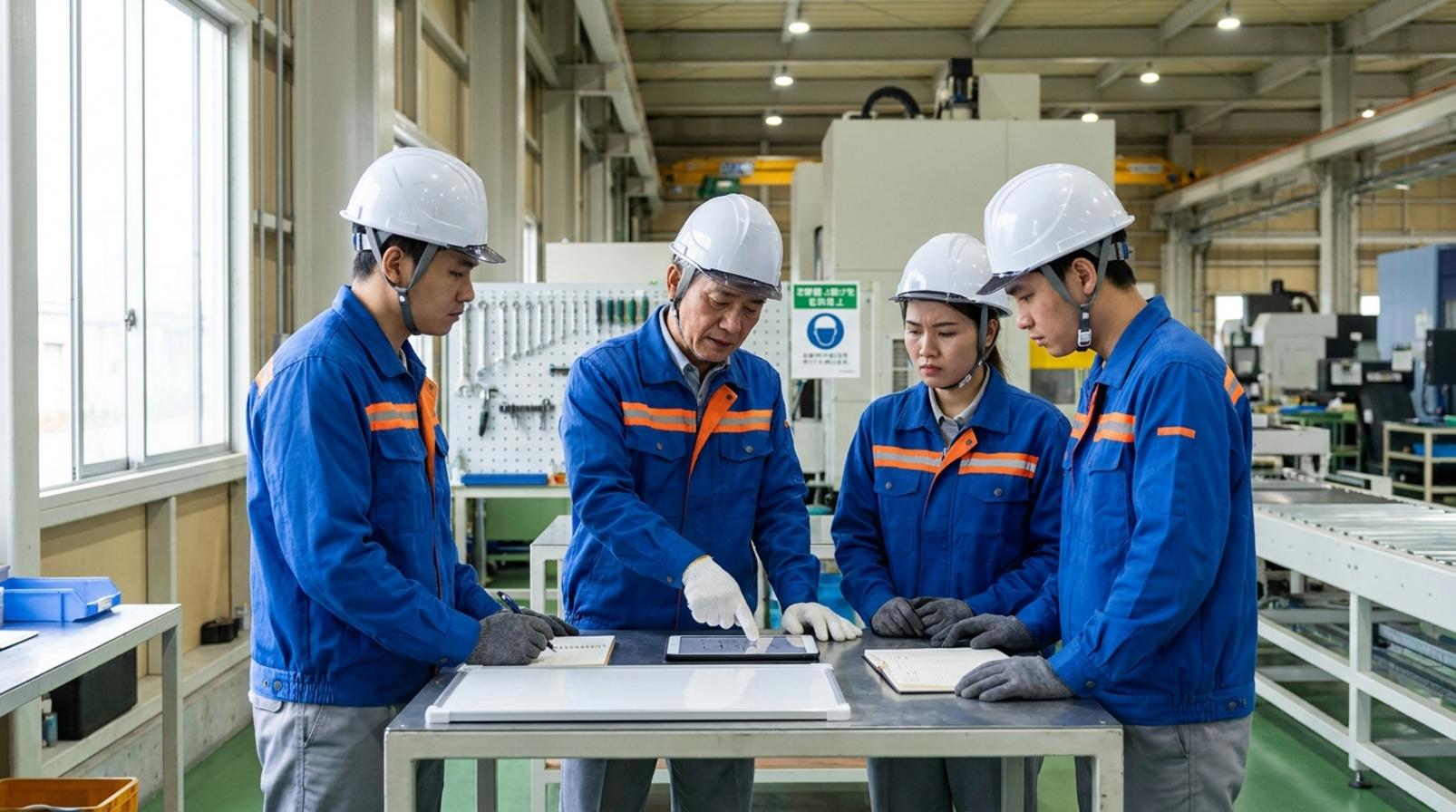
For workers, daily life often revolves around work shifts, dormitories, or accommodation located near the workplace.
This is particularly common among those employed in Taiwanese factories.
Psychological pressure can develop when working hours are long and language ability remains limited.
Vietnamese students in Taiwan face a different challenge as they try to balance study, work, and family responsibilities.
Vietnamese women married to Taiwanese citizens often focus more on adapting to local culture and building a stable family life.
The Vietnamese Community in Taipei and Common Places of Connection
In Taipei, Vietnamese people often connect through community associations, familiar restaurants, Asian markets, and weekend gathering places.
These spaces allow people to regain a sense of familiarity, exchange experiences about daily life and education, and discuss ways to protect their mental wellbeing while living abroad.
For those far from home, community meetings, volunteer activities, and retreats for overseas Vietnamese can become important sources of emotional support.
They help reduce the sense of isolation that often appears in a new environment.
How News About Vietnamese People in Taiwan Influences Decisions
News about Vietnamese people in Taiwan can significantly influence how families and potential applicants view the decision to relocate.
Positive stories about income, living conditions, and development opportunities can strengthen confidence.
By contrast, reports involving workplace risks, cultural differences, or disputes over employee rights may lead people to become more cautious.
Following reliable sources is therefore essential for assessing opportunities, risks, and personal suitability accurately.
Adapting to Taiwanese Culture and Building a Stable Routine
For many Vietnamese people in Taiwan, the most difficult part of the early period is not necessarily the job.
The greater challenge may be adjusting to daily routines and local expectations.
Working hours, eating habits, and communication in public spaces may all differ from life in Vietnam.
Understanding these differences early can make cultural adaptation easier and reduce feelings of isolation.
Adapting to Taiwanese Culture in Everyday Life
In daily life, small matters such as remaining quiet, sorting household waste, and respecting shared spaces can leave a strong impression.
New arrivals may feel unfamiliar with earlier daily schedules, simpler meals, and communication that is often brief and direct.
Careful observation and a willingness to learn can make integration much faster.
Vietnamese community associations in Taipei and local hometown groups can also provide valuable emotional support during the first stage of adaptation.
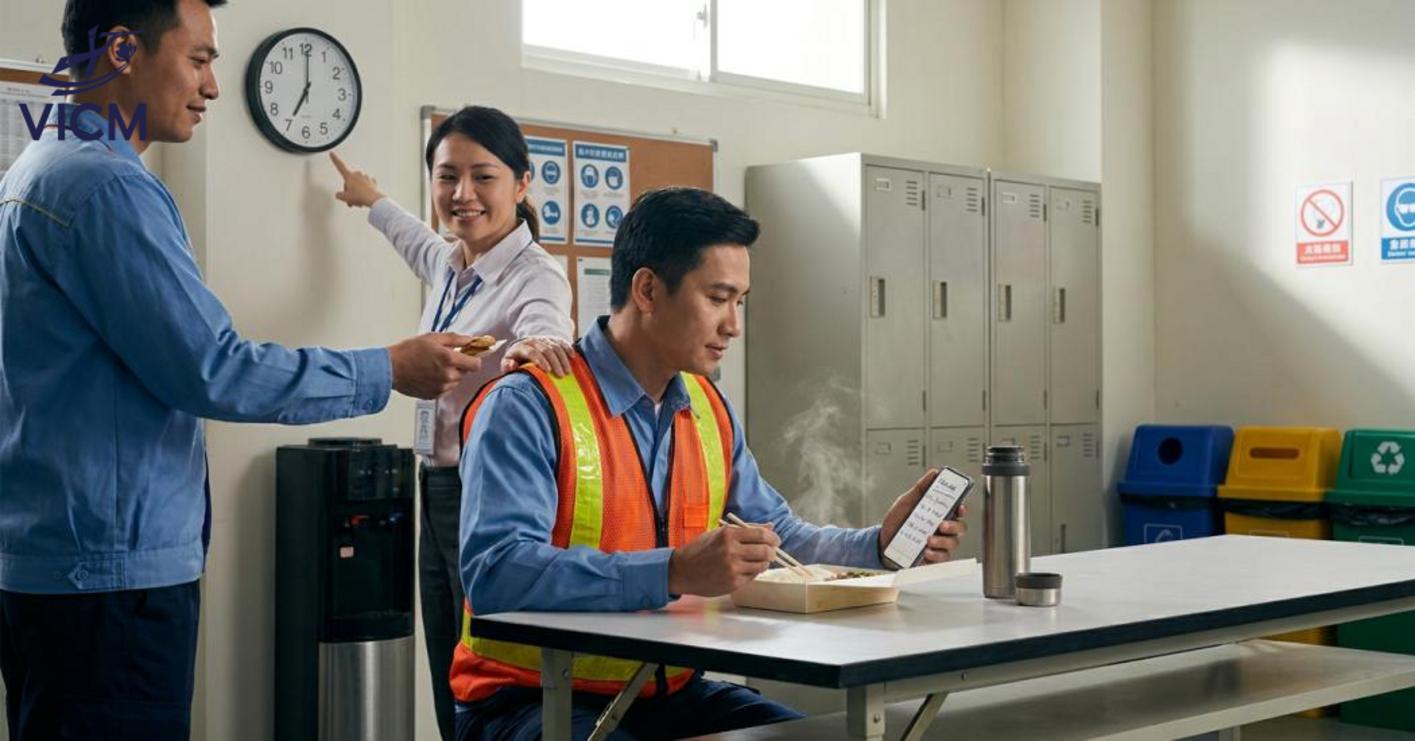
Working in a Taiwanese Factory: Routine, Discipline, and Practical Considerations
Factory work in Taiwan requires punctuality, compliance with procedures, and the ability to manage repetitive tasks every day.
For Vietnamese workers, the challenge involves not only physical endurance but also maintaining emotional stability during long or rotating shifts.
Ignoring safety regulations may increase the risk of accidents or workplace warnings.
Mental wellbeing is therefore just as important as physical health.
Getting enough sleep, eating regular meals, and asking questions when instructions are unclear can help workers maintain performance over time.
Balancing Study, Work, and Family Life in Taiwan
Vietnamese students and Vietnamese women married to Taiwanese citizens often face pressure from several responsibilities at the same time.
Study, employment, and family life all require attention.
Without clear planning, prolonged exhaustion can develop easily.
This is where time management becomes especially important.
Maintaining balance also depends on being able to communicate openly with family members and identify suitable sources of support.
When responsibilities become overwhelming, taking a short break, adjusting the daily schedule, or contacting a community support group can help reduce psychological pressure.
Emotional Support, Community Connection, and the Role of Vietnamese Networks
Life for Vietnamese people in Taiwan involves more than employment or education.
It is also a journey of maintaining emotional stability in an unfamiliar environment.
Distance from family, language differences, and demanding routines can easily create feelings of loneliness.
At such times, community networks and appropriate support become essential sources of stability.
Psychological Pressure Among Vietnamese Workers in Taiwan
Psychological pressure often comes from long working hours, strict workplace discipline, and financial concerns.
Workers may experience insomnia, loss of appetite, irritability, or withdrawal from social interaction.
For those working in factories, prolonged exhaustion may also reduce concentration, increase mistakes, and lead to greater isolation.
When these signs continue for several weeks, they should be treated as warning signals rather than something the worker is expected to endure alone.
Protecting Mental Wellbeing While Living Far from Home
Mental wellbeing should be supported through small but consistent habits.
These include maintaining a regular sleep schedule, eating nutritious meals, exercising gently, and staying in contact with family.
For students and Vietnamese women living in multicultural marriages, speaking openly with a trusted person can prevent emotional pressure from accumulating.
During the early stage of cultural adaptation, learning basic communication skills and creating time for rest can also make it easier to balance study, work, and family life.
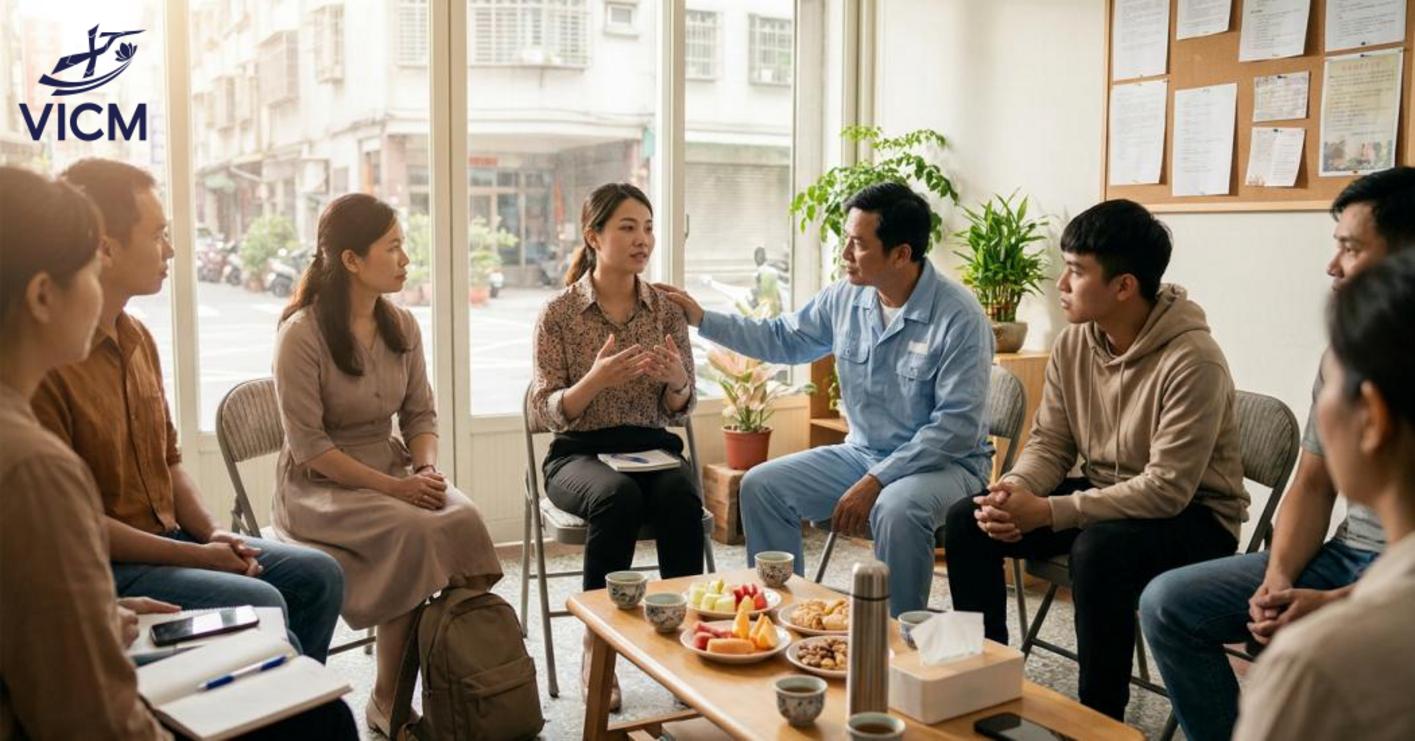
Retreats and Community Activities for Vietnamese People Living Abroad
Retreats for Vietnamese people living far from home, community gatherings in Taipei, and volunteer activities can create a valuable sense of belonging.
These spaces allow people to talk, exchange practical experience, access useful information, and feel less isolated.
For a new arrival, one timely conversation may sometimes provide more comfort than a long list of advice.
Over time, these relationships can make life in Taiwan more stable, both emotionally and practically.
Evaluating Opportunities and Preparing for a Suitable Journey in Taiwan
Vietnamese people move to Taiwan for many different reasons, including study, employment, and family life.
Each path offers its own opportunities, but also involves financial pressure, language challenges, and the need to adapt to a different culture.
A realistic assessment from the beginning can reduce risks and improve the ability to build a stable life over time.
Vietnamese Students in Taiwan: What Should Be Considered Before Departure?
Vietnamese students should not make their decision based only on low tuition fees or scholarship opportunities.
They should also consider the quality of the academic program, language requirements, living expenses, and internship opportunities after graduation.
Life in Taiwan is likely to be more manageable when the study plan reflects the student’s actual abilities and long term career goals.
The ability to balance study, work, and family responsibilities is equally important.
When financial pressure increases, some students may work excessive hours, which can affect both their health and academic performance.
Careful preparation relating to budget, accommodation, and emotional support can help create a more stable experience.
Vietnamese Women Married to Taiwanese Citizens: Differences, Responsibilities, and Adaptation
Vietnamese women married to Taiwanese citizens may face significant differences in language, daily habits, and family expectations.
Marriage involves more than moving to a new country.
It may also involve taking on new responsibilities as a wife, daughter in law, and in some cases a caregiver for family members on both sides.
Adapting to Taiwanese culture requires time, patience, and open communication.
When expectations are not discussed clearly from the beginning, misunderstandings can create prolonged emotional pressure.
Preparing carefully in terms of legal matters, finances, and mental readiness can reduce conflict, especially when building a new life far from home without an established support network.
Preparing Documents, Setting a Direction, and Assessing Personal Suitability
Before leaving for Taiwan, applicants should review their documents, define their objectives, research living conditions, and compare their own abilities with the practical requirements of the chosen path.
This prevents decisions based only on emotion, social pressure, or the choices of others.
Preparation should also include a realistic review of possible risks, such as unexpected expenses, psychological pressure, and communication difficulties.
Vietnamese community associations in Taipei, experience sharing groups, and retreats for people living far from home may provide useful support.
However, the final decision should still be based on the individual’s actual circumstances, abilities, and level of readiness.
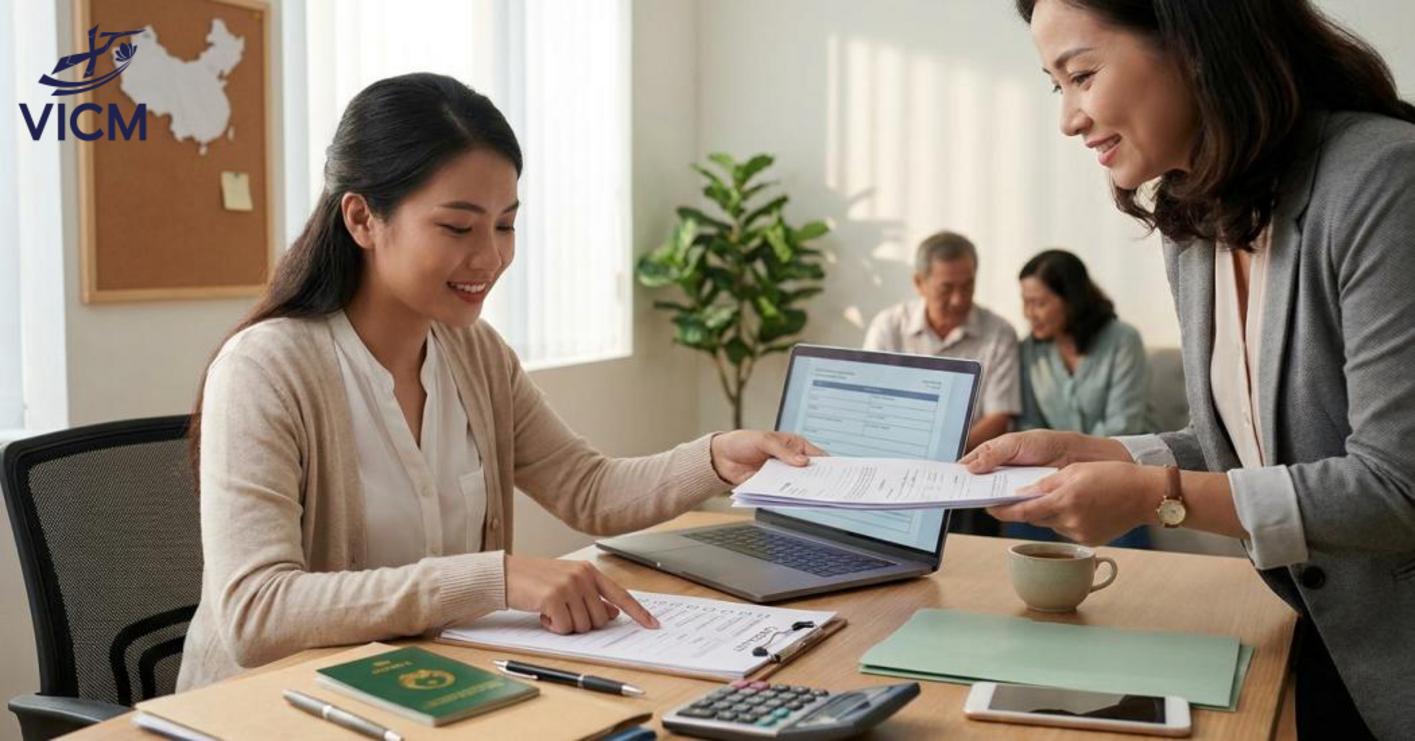
Building a Stable Life in Taiwan
Vietnamese people are more likely to build a lasting life in Taiwan when they understand their goals, accept the necessary compromises, and prepare a strong foundation before leaving Vietnam.
Opportunities in education, employment, and family life can all be valuable, but they should not be pursued hastily because of short term expectations.
With a realistic financial plan, emotional preparation, and reliable community support, living far from home can become less uncertain and more sustainable.
VICM Human Resources Training and Supply Company Limited
Head Office and Training Centre: A136Bis, Binh Duc Quarter, Lai Thieu Ward, Ho Chi Minh City
Email: admin.vicmhr@gmail.com
Hotline: 0932 38 31 38
Website: www.vicm.edu.vn