
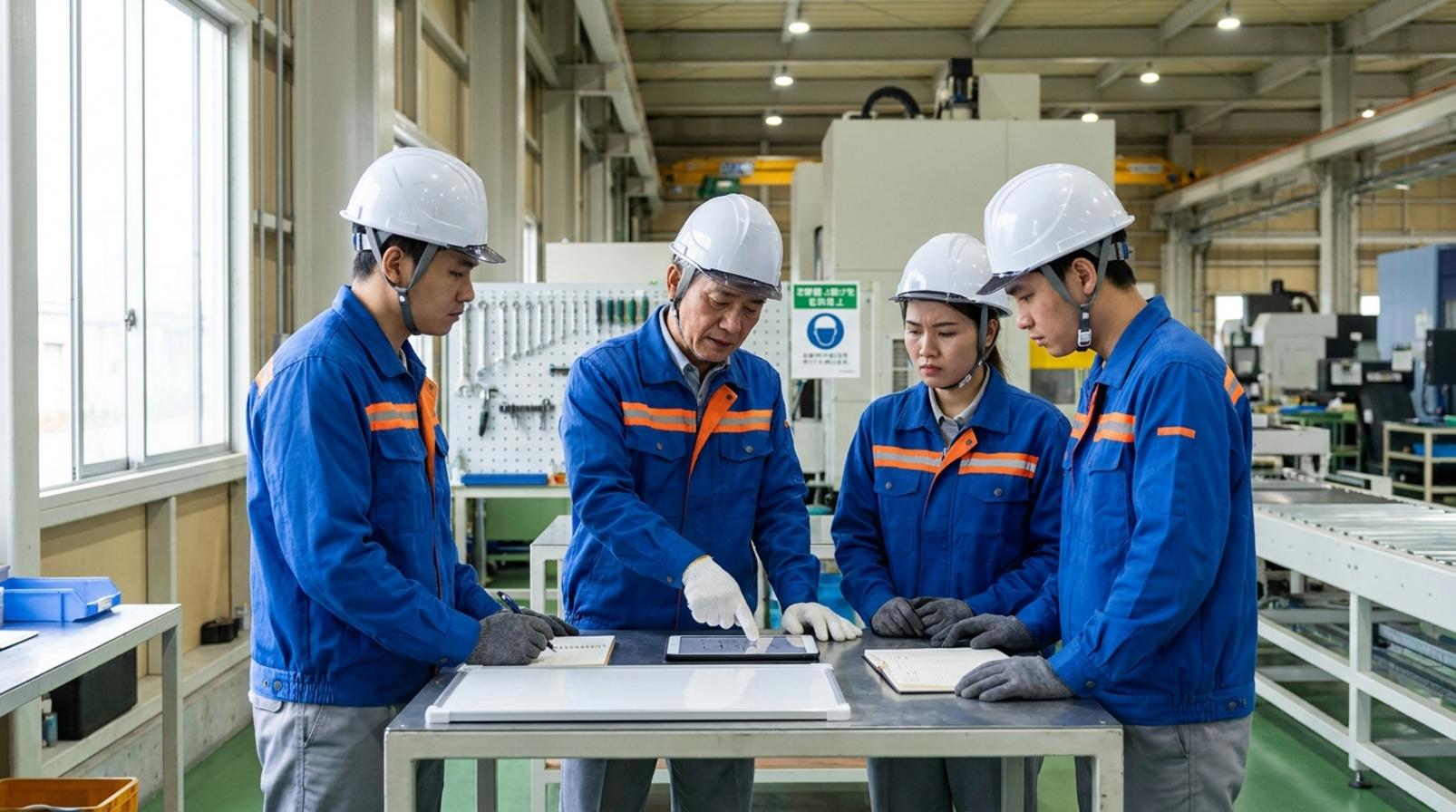





So what are positive workplace skills if they are not simply about being cheerful or saying the right things?
They are the ability to turn a positive mindset into practical action. This includes managing yourself and your time, building a cooperative working environment, staying optimistic during challenges, and treating colleagues with sincerity and understanding.
From students preparing to enter the workforce to experienced managers, everyone needs these skills to create positive energy within an organisation.
What Are Positive Workplace Skills?
Positive workplace skills are the ability to remain constructive, cooperative, and proactive, even when pressure increases.
In a modern workplace, these skills do more than help people complete tasks efficiently. They also improve communication, teamwork, and the ability to adapt to change.

How Are Positive Workplace Skills Different from a Proactive Work Attitude?
A proactive work attitude means being willing to begin tasks, accept responsibility, and look for solutions before being reminded.
Positive workplace skills cover a broader range of abilities. They include attitude, responses to pressure, self management, time management, and the ability to maintain positive energy within the organisation.
A proactive person may work quickly, but without a positive mindset, they may become discouraged when difficulties arise.
By contrast, someone with strong positive workplace skills usually knows how to balance progress with cooperation and emotional stability.
Signs of a Positive Employee
Employees with a positive approach usually communicate clearly, meet deadlines, and avoid blaming others when problems arise.
They are willing to support colleagues, listen carefully, and respond with sincerity and understanding during stressful situations.
When given a new responsibility, they focus on how to complete it rather than complaining excessively.
They also help build cooperation, remain optimistic during challenges, and treat mistakes as opportunities to improve.
In high pressure environments, their calm approach often has a positive influence on the entire team.
The Role of Positive Thinking at Work
Positive thinking helps people view problems as situations that can be addressed rather than becoming trapped in a sense of helplessness.
This is particularly important when businesses want to develop their teams from the ground up.
Sustainable performance depends not only on professional expertise but also on how each person thinks, reacts, and recovers.
Employees with a positive mindset often learn more quickly, recover more effectively from setbacks, and maintain consistent work quality.
Positive energy can spread throughout an organisation, but it must also be supported by clear boundaries to prevent unrealistic optimism.
Where Does Positive Energy in the Workplace Come From?
Positive workplace energy does not appear naturally.
It usually develops through the way people cooperate, respect one another, and maintain a consistent working rhythm.
When a team shares a common objective, individuals are more likely to act proactively and maintain a constructive mindset.
Building a Cooperative Working Environment
Cooperation is the foundation of smooth operations and helps reduce unnecessary conflict.
When employees support one another, share information at the right time, and accept joint responsibility for shared outcomes, the working environment becomes much more manageable.
For example, a marketing team may review content together before sending it to a client instead of leaving one person to handle everything alone.
This is how cooperation is built through small but consistent actions.
Effective cooperation does not reduce individual value. It strengthens overall performance.
This also provides a practical explanation of positive workplace skills. They involve balancing personal objectives with the interests of the team.
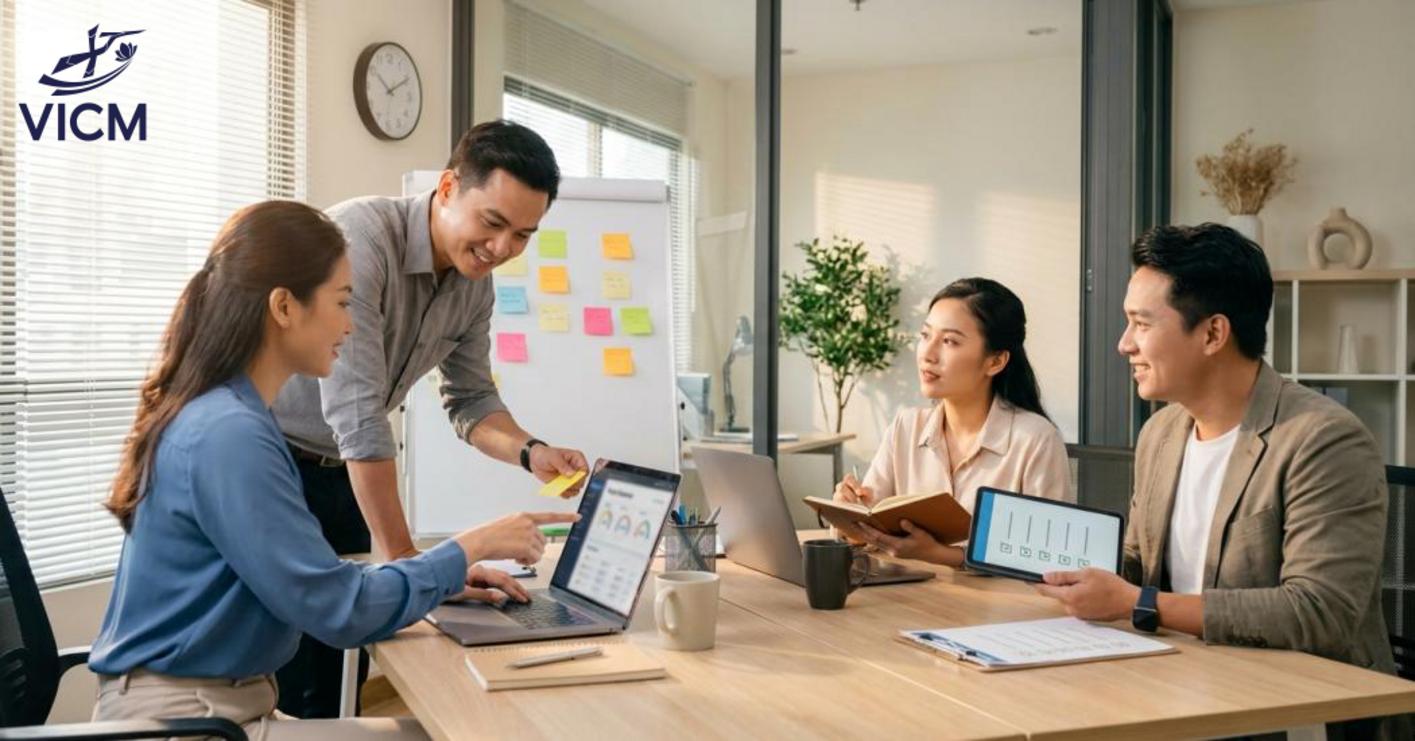
Sincerity and Understanding Between Colleagues
In demanding environments, sincerity builds stronger relationships than polite but superficial praise.
When someone provides honest and respectful feedback or listens carefully when a colleague is struggling, trust grows.
Positive energy within an organisation often begins with these ordinary interactions.
Sincerity and understanding also reduce misunderstandings.
Instead of judging someone immediately for responding slowly, it may be more helpful to ask questions and understand the situation.
This approach supports optimism during challenges and creates a safer working environment for everyone.
Managing Yourself and Your Time
A significant amount of workplace pressure comes from a lack of personal discipline.
People who manage themselves and their time effectively can maintain a more stable working rhythm and are less likely to become overwhelmed by urgency.
For example, a student preparing to enter the workforce can practise prioritising tasks, setting short deadlines for each activity, and reviewing progress at the end of the day.
These habits reduce procrastination and create a stronger sense of control.
When individuals take greater responsibility for their work, the entire team benefits.
This is an important foundation for developing people from the ground up instead of repeatedly addressing surface level problems.
How to Develop Positive Workplace Skills Every Day
Positive workplace skills involve maintaining initiative, composure, and cooperation even when workloads become intense.
Many people assume that being positive means remaining cheerful at all times.
In reality, it also means managing yourself and your time effectively so that pressure does not control your behaviour.
As constructive habits develop, both performance and emotional stability become more consistent.
Maintaining a Positive Mindset Under Pressure
When deadlines are approaching, the first reaction is often anxiety or self criticism.
At that point, positive thinking does not mean denying the difficulty.
It means identifying the next practical action.
Tasks can be divided into smaller steps, with the most important part handled first.
This reduces the sense of being overwhelmed and helps maintain a steadier working rhythm.
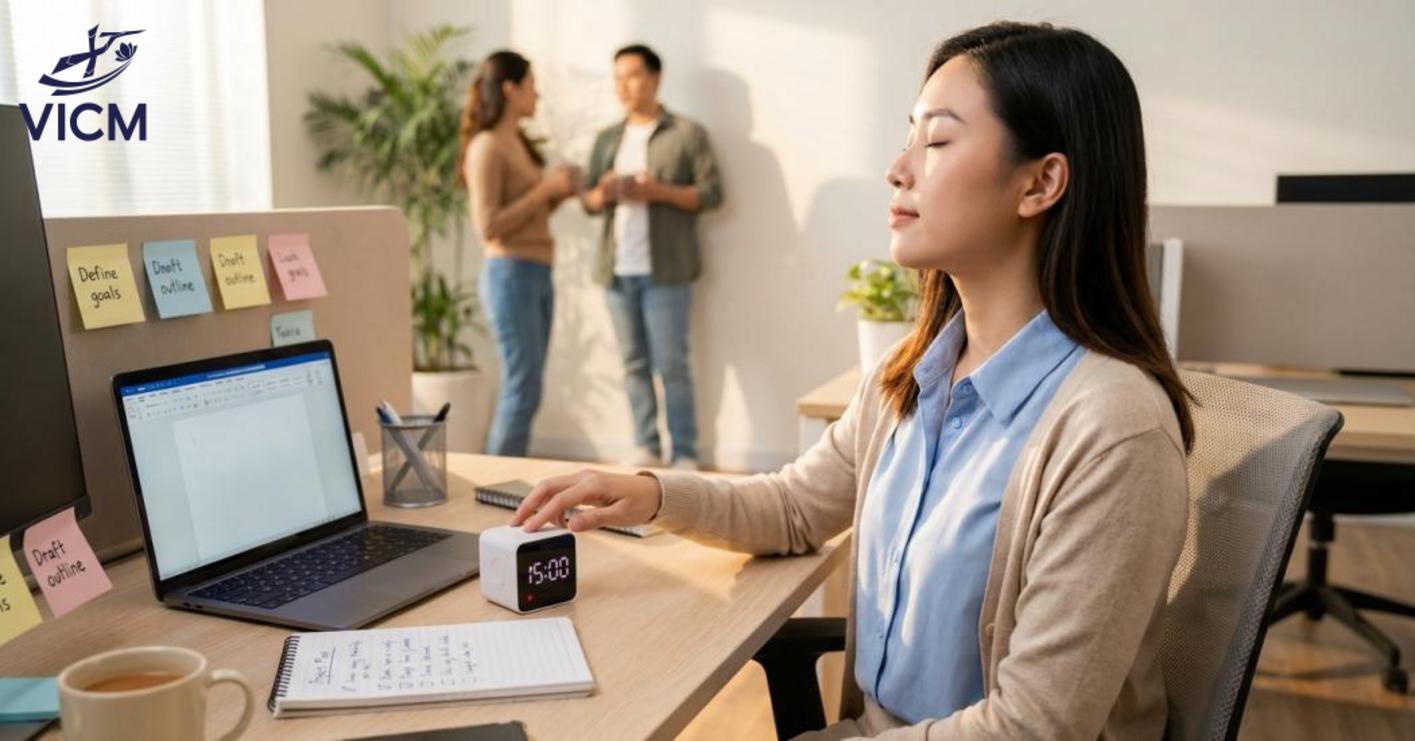
For example, instead of thinking, “I will never finish this on time,” a person can say, “I need to complete the first draft by three o’clock.”
This change in language encourages a proactive attitude and prevents temporary pressure from affecting motivation too strongly.
Building Optimism Through Small Goals
Optimism during challenges often develops through the consistent completion of small goals rather than large achievements.
A new employee may aim to respond to emails within fifteen minutes.
A student preparing to enter the workforce may complete one important task each morning.
A manager may prioritise one clear conversation with the team.
Each small result creates a sense of progress.
This approach is particularly useful when a business wants to build positive energy without creating excessive pressure.
When goals are clear and manageable, employees are more likely to maintain motivation and believe that progress remains within their control.
Creating Moments of Internal Rest for Young Employees
An internal retreat for young employees does not always require a long break or time away from work.
Sometimes, ten minutes between work sessions can be enough.
Employees can turn off notifications, breathe deeply, and reflect on where they are experiencing tension.
This short pause helps the mind move away from a constant reactive state and reduces the risk of burnout.
Businesses should also encourage sincerity and understanding between colleagues.
A workplace that listens carefully creates stronger cooperation.
When people are allowed to pause at the right time and feel genuinely understood, team development becomes more sustainable.
Applying Positive Workplace Skills to Individuals and Teams
To understand positive workplace skills fully, they should be viewed as a series of behaviours that can be developed every day rather than as a temporary source of motivation.
When young employees learn to organise their work, remain calm under pressure, and support others proactively, their performance improves noticeably.
These behaviours also provide a stronger foundation for stable team operations.
Examples of Positive Workplace Skills in Daily Work
A new employee can begin by preparing a checklist before each shift, responding to emails on time, and asking for clarification when instructions are unclear.
These actions demonstrate a proactive work attitude, reduce mistakes, and save time for the entire team.
For students preparing to enter the workforce, developing self management and time management through small habits creates a lasting advantage.
When a team falls behind schedule, people who remain optimistic during challenges do not focus on blame.
Instead, they identify the obstacle and look for a practical solution.
This approach creates positive energy within the organisation and encourages stronger cooperation in the workplace.
.

Developing Teams from the Ground Up Through Positive Habits
Developing a team from the ground up does not depend on slogans.
It depends on behaviours that are repeated consistently.
When team members arrive on time, share information transparently, and keep their commitments, internal trust grows naturally.
This is also where sincerity and understanding between colleagues become a powerful source of connection.
Businesses can encourage short meetings at the beginning of the day, recognise small efforts, and create moments for young employees to reflect on how they work.
An internal retreat for young employees does not always need to be complex.
It only needs to provide enough space for employees to restore a constructive mindset and reconsider their working habits.
The Role of Managers in Encouraging a Proactive Work Attitude
Managers do more than assign tasks.
They also influence how the team responds to pressure.
When leaders explain expectations clearly, provide honest but respectful feedback, and allow employees to experiment, a proactive work attitude is more likely to develop sustainably.
Fair task allocation also reduces defensive behaviour and helps employees accept responsibility more openly.
However, managers should avoid turning positivity into pressure to appear cheerful at all times.
The real objective is to create a safe environment where employees are allowed to make mistakes, learn, and improve.
When this happens, positive workplace skills are no longer a theoretical concept.
They become a practical way of working that benefits both individuals and teams.
Building Sustainable Positive Workplace Skills
The right approach begins with understanding the concept, recognising the behaviours involved, practising them individually, and then extending them across the team.
Positive workplace skills are not limited to surface level optimism.
They are reflected in the ability to regulate emotions, cooperate with others, and take responsibility for work.
When each person develops constructive habits consistently, the team becomes stronger from the ground up rather than changing only at the surface.
VICM Human Resources Training and Supply Company Limited
Head Office and Training Centre: A136Bis, Binh Duc Quarter, Lai Thieu Ward, Ho Chi Minh City
Email: admin.vicmhr@gmail.com
Hotline: 0932 38 31 38
Website: www.vicm.edu.vn