
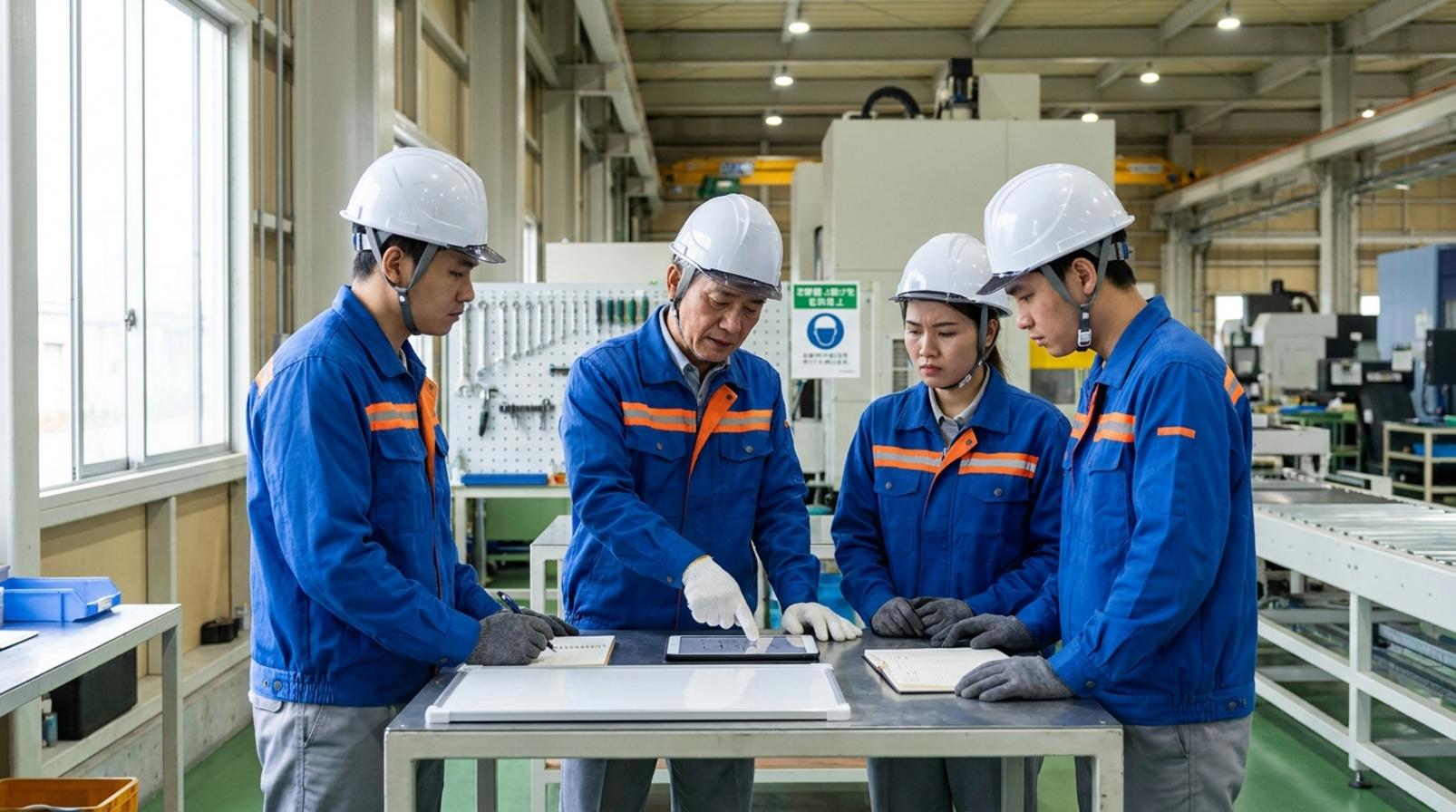




The challenge is not simply one of internal communication—it lies in the degree to which individual goals are aligned with organizational objectives.
From a modern management perspective, Employee Alignment is the ability to connect employees with the organization's strategic vision, creating consistent behaviors, sustainable performance, and a strong organizational culture built from within.
What Is Employee Alignment and How Does It Differ from Organizational Alignment?
What Does Employee Alignment Mean in Today's Workplace?
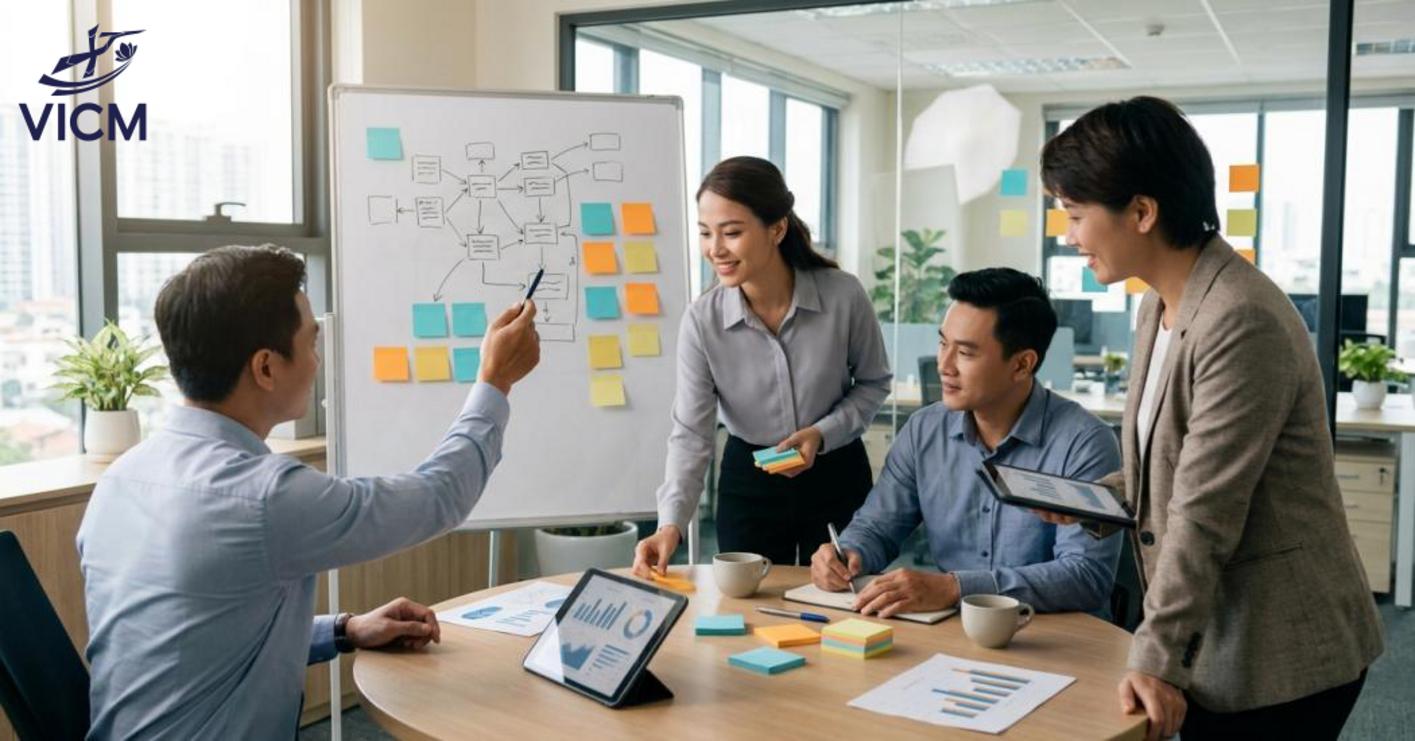
Alignment goes beyond simply understanding job responsibilities. It reflects how effectively individual goals are integrated with organizational priorities in everyday work.
When Employee Alignment is established successfully, organizations create sustainable performance that is driven by shared purpose rather than temporary effort.
Achieving this level of alignment requires an Inner Development Strategy that brings together employee awareness, motivation, and behavior around one common direction.
Organizational Alignment vs. Employee Alignment
Although closely connected, Organizational Alignment and Employee Alignment represent two different dimensions of organizational effectiveness.
Organizational Alignment focuses on the system itself, including:
- Strategic direction
- Organizational structure
- Business processes
- Performance indicators
- Cross-functional collaboration
Employee Alignment, by contrast, focuses on people.
It asks whether employees:
- Understand the organization's direction.
- Believe in its purpose.
- Demonstrate behaviors consistent with its strategic vision.
One concerns organizational systems; the other concerns human commitment.
Neither can replace the other.
An organization may possess strong strategic alignment while still struggling to achieve meaningful results if employees lack shared understanding or internal communication remains weak.
Building a sustainable organizational culture therefore requires both well-aligned systems and the transformation of employee awareness and workplace behaviors.
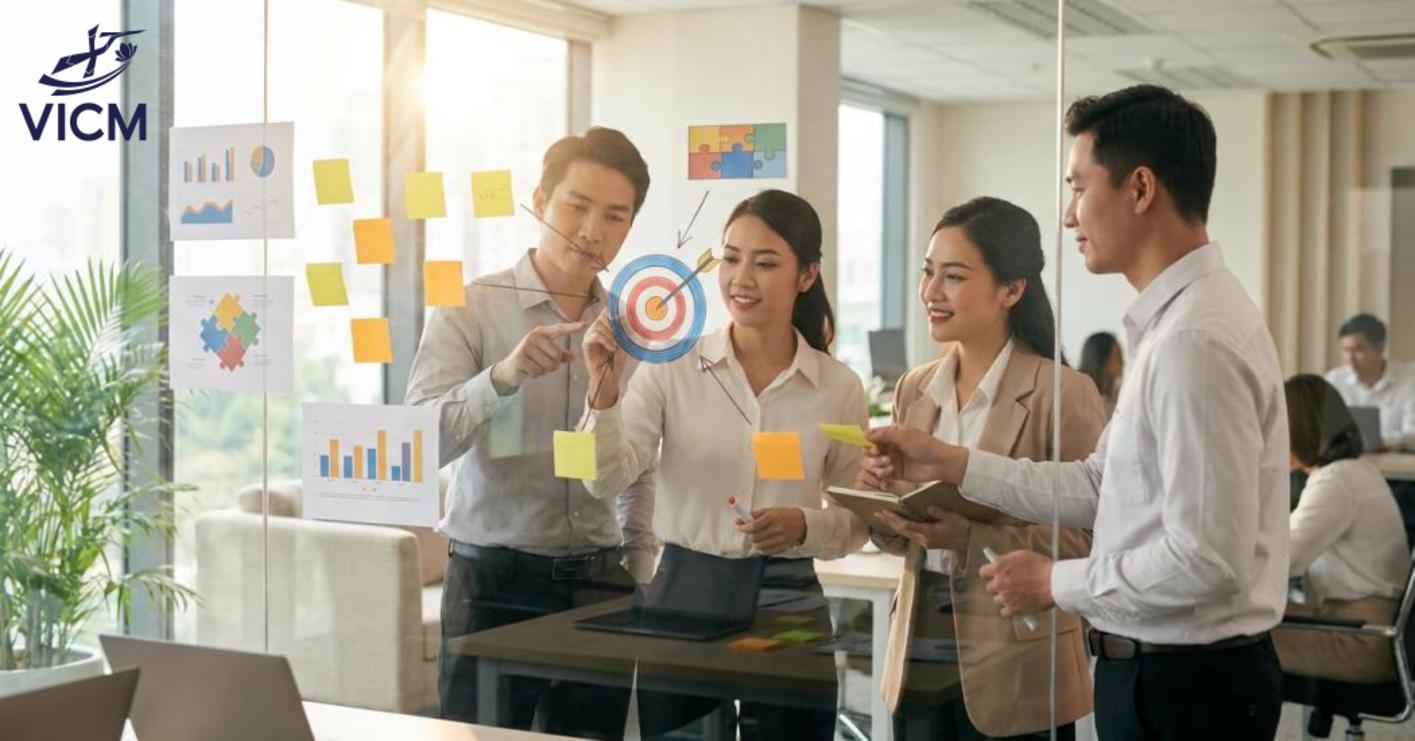
Why Does Aligning Individual and Organizational Goals Create Sustainable Performance?
Understanding Employee Alignment extends beyond ensuring employees know their responsibilities.
True alignment occurs when personal aspirations naturally support organizational objectives.
This reduces competing priorities, strengthens commitment, and creates a more coordinated rhythm across departments.
Connecting Employees with the Strategic Vision
When employees see how their personal goals contribute to something larger than short-term performance targets, they develop stronger intrinsic motivation.
Work becomes more than completing assigned tasks—it becomes meaningful participation in the organization's broader purpose.
This reflects the essence of an Inner Development Strategy, where people are inspired not only by external performance expectations but also by a genuine sense of contribution.
Organizations that achieve this level of alignment also strengthen Team Alignment and internal communication, significantly reducing fragmented ways of working across departments.
Clear role definition further enables leaders to allocate resources more effectively while minimizing duplicated effort and conflicting priorities.
This illustrates the relationship between Organizational Alignment and Employee Alignment:
One provides the organizational framework.
The other enables people to bring that framework to life.
Sustainable performance emerges only when both operate in harmony.
Building Organizational Culture from Within
Aligning individual goals with organizational objectives influences much more than business performance—it shapes organizational culture itself.
When employees recognize how their efforts contribute to the organization's broader success, they naturally become more proactive, collaborative, and engaged.
As a result, changes in awareness and workplace behavior occur organically rather than through enforcement.
Over time, organizations with strong alignment consistently achieve more sustainable performance because employees understand both why they remain committed and how they create meaningful value.
However, organizations should also recognize one important risk.
When objectives become overly rigid or inflexible, alignment can unintentionally create excessive conformity, reducing creativity, innovation, and adaptability.
Healthy alignment should create unity without suppressing independent thinking.
.
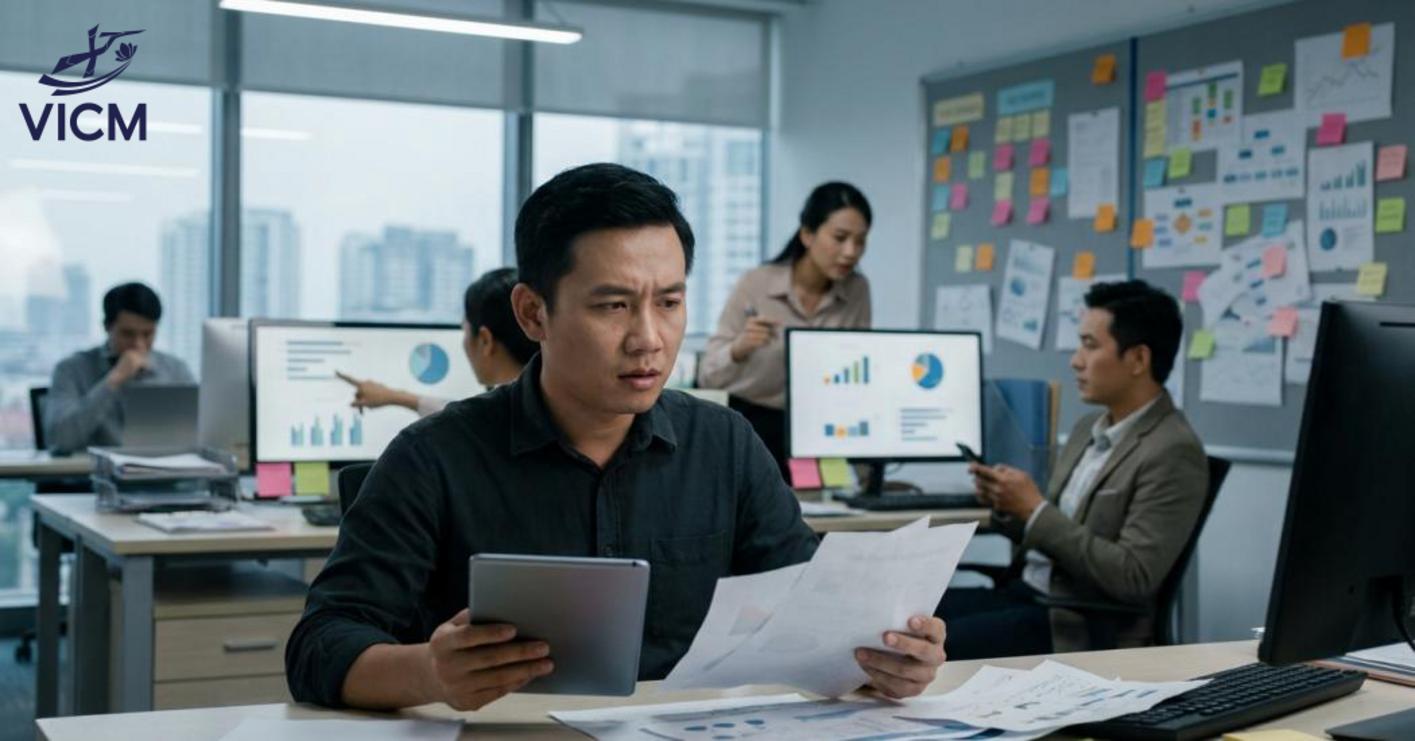
Recognizing the Signs of Weak Team Alignment
From the outside, an organization may appear to function normally.
Internally, however, subtle misalignment may already be affecting performance.
When managers, employees, and departments no longer share the same understanding of priorities, the problem extends beyond communication—it reflects weaknesses in Team Alignment.
Indicators That Organizational Thinking Is Becoming Misaligned
One common warning sign appears when departments prioritize their own KPIs while losing sight of broader organizational objectives.
Many people interpret Employee Alignment simply as employee engagement.
In reality, it is about ensuring that individual goals remain consistently connected to organizational strategy.
Other warning signs include:
- Messages becoming distorted as they pass through multiple management levels.
- Delayed implementation despite repeated communication.
- Departments blaming one another for recurring issues.
- Work needing to be repeated because expectations were interpreted differently.
These situations often reveal a gap between Organizational Alignment and Employee Alignment.
The organization may have a clear strategy, yet employees still struggle to understand how their individual roles contribute to that larger vision.
How Weak Team Alignment Affects Organizational Performance
Poor Team Alignment and ineffective internal communication rarely create immediate crises.
Instead, they gradually reduce organizational performance in ways that are often difficult to detect.
Collaboration becomes fragmented.
Decision-making slows.
Departments focus on completing their own responsibilities while unintentionally moving the organization away from its strategic direction.
Over time, these issues weaken organizational culture and undermine sustainable performance.
Without early intervention, organizations find it increasingly difficult to connect employees with the strategic vision, while efforts to transform awareness and workplace behavior remain superficial rather than creating lasting change.
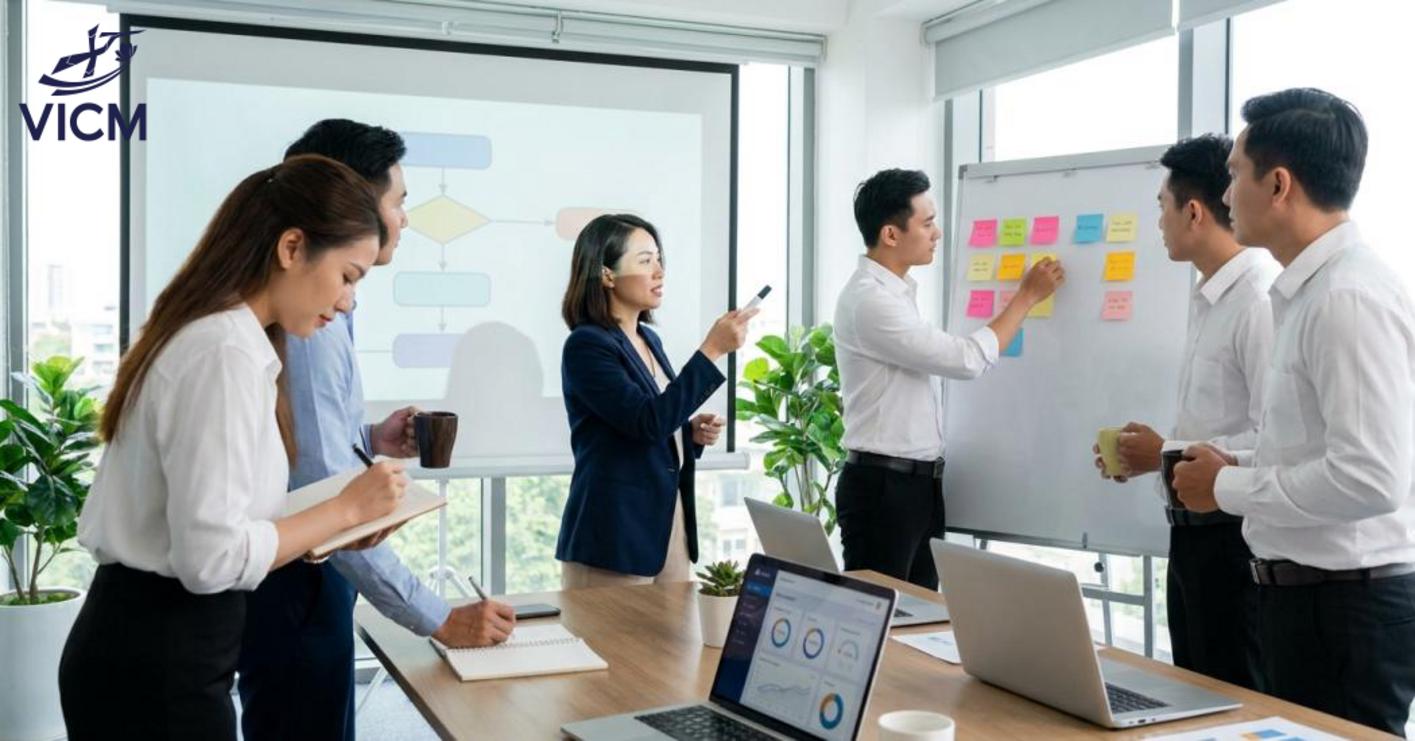
Building Employee Alignment Throughout the Organization
Understanding Employee Alignment is only the first step.
The real challenge is transforming shared understanding into consistent daily behavior.
Organizations seeking to align individual and organizational goals must design their communication systems, performance management processes, and feedback mechanisms around one unified logic.
When leadership messages become inconsistent across different management levels, meaningful Team Alignment becomes extremely difficult to achieve.
Designing Consistent Communication, Goal-Setting, and Feedback Systems
Organizations should begin by clearly defining their strategic objectives before translating them into departmental and individual goals.
This ensures that every team understands how its work contributes to organizational success rather than pursuing disconnected priorities.
Regular feedback enables employees to recognize genuine priorities while identifying behaviors that require adjustment.
This process strengthens Employee Alignment by connecting everyday work with the organization's strategic vision instead of focusing exclusively on short-term tasks.
Consistency also applies to leadership expectations.
Strong communication without meaningful feedback quickly loses its effectiveness.
Conversely, feedback without clear performance standards often creates confusion rather than improvement.
For this reason, Organizational Alignment and Employee Alignment should be viewed as two interconnected layers:
The first aligns organizational systems.
The second aligns human behavior.
Applying an Inner Development Strategy Through Corporate Retreats
Beyond operational systems, organizations need an Inner Development Strategy that helps employees reconnect with the purpose behind their work. When people understand why they contribute—not just what they are expected to accomplish—they develop stronger commitment and a deeper sense of ownership.
Initiatives such as Internal Coaching, reflection sessions, Corporate Retreat Programs, and Wellness & Physical Well-being experiences create valuable opportunities for employees to step back from their daily routines, realign with shared values, and renew their motivation.
These initiatives strengthen organizational culture from within rather than simply addressing surface-level performance issues.
However, Corporate Retreats should never become purely experiential events without a clear development objective. Without a structured learning framework and measurable outcomes, even the most engaging activities may generate only short-term inspiration without creating meaningful behavioral change.
When thoughtfully designed, these experiences help employees align their personal aspirations with organizational goals while reinforcing sustainable performance across the business.
Embedding Employee Alignment into Organizational Culture
Creating Employee Alignment is not a one-time initiative—it is an ongoing organizational capability.
Alignment becomes sustainable when organizations consistently reinforce the connection between purpose, communication, leadership, and everyday behavior.
Employees should experience alignment not only during strategic meetings or annual planning sessions, but also through daily conversations, performance reviews, coaching interactions, and collaborative decision-making.
When alignment becomes part of everyday work, employees naturally make decisions that support both their individual responsibilities and the organization's long-term vision.
Leadership as the Catalyst for Alignment
Leadership plays the most significant role in building Employee Alignment.
Employees observe leadership behaviors far more closely than organizational messages.
When leaders consistently demonstrate clarity, accountability, openness, and collaboration, these behaviors gradually become embedded throughout the organization.
Conversely, inconsistent leadership quickly weakens alignment, regardless of how well the organization's strategic vision has been communicated.
For this reason, leaders should consistently:
- Communicate strategic priorities clearly.
- Connect individual contributions to organizational goals.
- Provide timely and constructive feedback.
- Encourage open dialogue and shared accountability.
- Reinforce desired behaviors through their own actions.
Employee Alignment grows strongest when leadership consistently models the behaviors the organization expects from everyone else.
Creating Sustainable Alignment Through Continuous Development
Organizations should view Employee Alignment as a continuous learning journey rather than a project with a defined end.
Sustainable alignment requires ongoing reinforcement through:
- Continuous learning initiatives
- Internal Coaching
- Reflection and feedback sessions
- Cross-functional collaboration
- Leadership development
- Recognition of aligned behaviors
When these elements work together, employees gradually develop shared ways of thinking, communicating, and making decisions.
Over time, alignment evolves beyond compliance and becomes part of the organization's identity.
Conclusion
Building strong Employee Alignment begins with a clear understanding of organizational purpose, continues through consistent communication and leadership, and is sustained by continuous learning and behavioral development.
The greatest risk is assuming that alignment can be achieved simply by communicating organizational goals. Without systems that reinforce shared understanding, provide meaningful feedback, and support everyday behavioral change, alignment remains superficial.
Organizations achieve lasting results when they integrate strategic communication, leadership development, Internal Coaching, reflective learning, and measurable behavioral outcomes into one unified development framework.
At VICM, we believe that sustainable organizational success begins with aligned people.
By strengthening Inner Capacity, cultivating shared awareness, aligning individual purpose with organizational vision, and developing High-Caliber Professionals, organizations can build resilient, collaborative, and high-performing teams that create sustainable value for the future.
VICM Human Capital Development & Workforce Solutions Co., Ltd.
Head Office & Training Center
A136Bis, Bình Đức Quarter, Lái Thiêu Ward, Ho Chi Minh City, Vietnam
Email: admin.vicmhr@gmail.com
Hotline: +84 932 38 31 38
Website: www.vicm.edu.vn